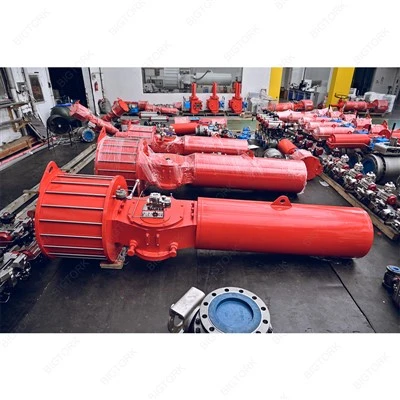
When it comes to the world of industrial automation and valve control, the Scotch Yoke Type Actuator stands out as a reliable and efficient solution. As a supplier of these actuators, I've witnessed firsthand the critical role material selection plays in their performance, durability, and overall success. In this blog post, I'll delve into the material selection criteria for a Scotch Yoke Type Actuator, sharing insights from my experience in the industry.
1. Operational Environment
The first and perhaps most crucial factor in material selection is the operational environment where the actuator will be used. Different environments present unique challenges that demand specific material properties.
Corrosive Environments
In industries such as chemical processing, marine applications, and wastewater treatment, exposure to corrosive substances is a significant concern. For actuators operating in these environments, materials with high corrosion resistance are essential. Stainless steel, for example, is a popular choice due to its excellent resistance to rust and chemical attack. Specifically, 316 stainless steel is widely used in harsh marine and chemical environments as it contains molybdenum, which enhances its corrosion resistance.
Another option is aluminum with a specialized corrosion - resistant coating. The BG Series Scotch Yoke Actuator often uses coated aluminum components, offering a lightweight yet corrosion - resistant alternative for applications where weight is a concern.
High - Temperature Environments
Actuators used in industries like power generation, oil refineries, and aerospace may encounter high - temperature conditions. In such cases, materials that can maintain their mechanical properties at elevated temperatures are necessary. Alloy steels, such as chrome - molybdenum steel, are commonly used due to their high strength and heat resistance. They can withstand temperatures up to several hundred degrees Celsius without significant loss of strength or deformation.
Low - Temperature Environments
Conversely, in applications like cryogenic storage and cold - chain logistics, the actuator must operate in extremely low - temperature conditions. Materials need to be able to resist brittleness at low temperatures. Duplex stainless steels are a good choice as they offer a combination of high strength and good toughness at low temperatures.
2. Mechanical Requirements
The mechanical requirements of the actuator, including the torque it needs to generate, the speed of operation, and the frequency of cycling, also influence material selection.
Torque Capacity
The ability of the actuator to generate the required torque is directly related to the strength of the materials used in its construction. For high - torque applications, materials with high tensile and yield strengths are preferred. For instance, forged steel components are often used in Heavy Duty Rotary Actuator because they can withstand the high stresses associated with large - scale valve operations.
Wear Resistance
Friction and wear are inevitable during the operation of a Scotch Yoke Type Actuator. Parts that come into contact with each other, such as the yoke and the piston, need to be made of materials with good wear resistance. Bronze is a common choice for bushings and bearings in actuators. It has excellent self - lubricating properties and can withstand sliding wear over long periods of time.
Fatigue Resistance
Actuators that are subjected to frequent cycling need materials with high fatigue resistance. Fatigue failure can occur when a material is exposed to repeated loading and unloading. Carbon steels with proper heat treatment are often used in actuator components to enhance their fatigue resistance. The heat treatment process can improve the material's microstructure, making it more resistant to crack initiation and propagation under cyclic loading.
3. Compatibility with Fluids
If the actuator is used in a fluid - powered system, such as a pneumatic or hydraulic system, the materials must be compatible with the working fluid.
Pneumatic Systems
In Air Actuator applications, the most common working fluid is compressed air. However, the air may contain moisture, oil, and other contaminants. Therefore, materials used in pneumatic actuators should be able to resist the effects of these contaminants. Aluminum and stainless steel are often used in pneumatic actuators because they are relatively resistant to the corrosion caused by the moisture in the compressed air.
Hydraulic Systems
Hydraulic actuators use hydraulic fluid, which can be mineral - based, synthetic, or water - based. The materials in hydraulic actuators need to be compatible with the specific type of hydraulic fluid. For example, some synthetic hydraulic fluids may be aggressive to certain elastomers. Therefore, the seals in the actuator need to be made of materials that are resistant to the chemical properties of the hydraulic fluid. Nitrile rubber is a common choice for seals in mineral - based hydraulic systems, while fluorocarbon rubber is more suitable for applications where the fluid has a higher chemical resistance requirement.
4. Cost - effectiveness
Cost is always a consideration in any engineering project. While it is important to select high - quality materials that meet the performance requirements, it is also necessary to balance the cost.

Material Cost
The cost of different materials can vary significantly. For example, exotic alloys like titanium are much more expensive than common steels or aluminum. In some cases, a less expensive material can be used if it can meet the basic requirements of the application. For instance, in a non - critical, low - torque application, a cast iron component may be a more cost - effective alternative to a forged steel one.
Manufacturing Cost
The manufacturing process also affects the overall cost. Some materials may require more complex manufacturing processes, such as precision machining or special heat treatment, which can increase the cost. Therefore, when selecting materials, it is important to consider the manufacturing cost in addition to the material cost itself.
5. Availability and Lead Time
The availability of materials and the lead time for procurement can also impact material selection. In some cases, a particular material may offer excellent performance but have a long lead time for delivery. This can cause delays in the production of the actuator. Therefore, it is often necessary to choose materials that are readily available in the market. This ensures that the production process can proceed smoothly and that the actuators can be delivered to customers in a timely manner.
Conclusion
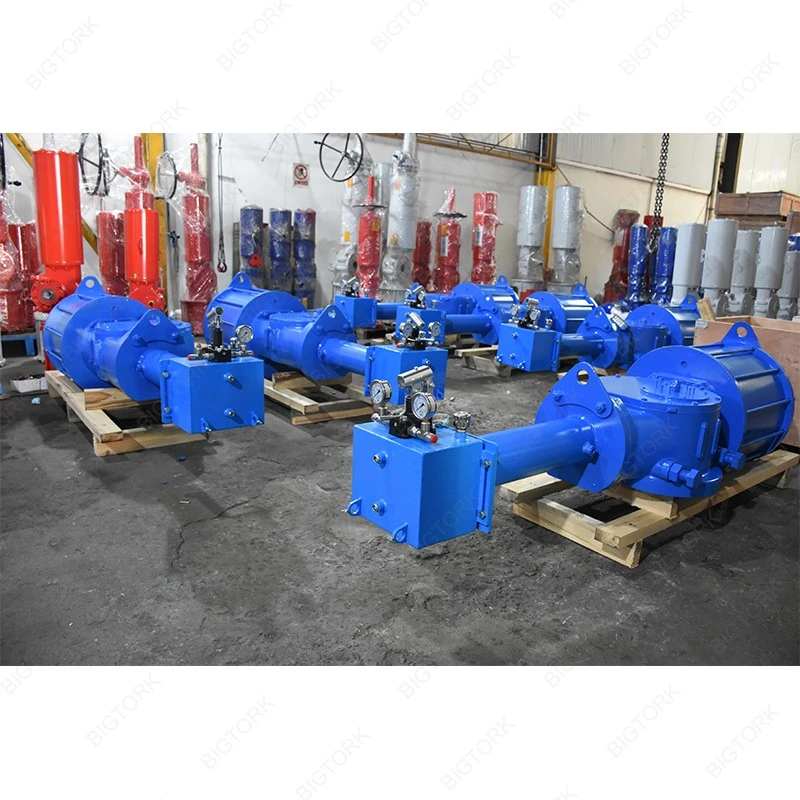
Selecting the right materials for a Scotch Yoke Type Actuator is a complex process that requires careful consideration of multiple factors, including the operational environment, mechanical requirements, compatibility with fluids, cost - effectiveness, and availability. As a supplier, we understand the importance of these criteria and strive to use the most appropriate materials in our products. Whether you need an Air Actuator, a Pneumatic Piston Actuator, a Double Acting Actuator, a Heavy Duty Rotary Actuator, or a BG Series Scotch Yoke Actuator, we can provide you with high - quality products that are tailored to your specific needs.
If you are interested in our Scotch Yoke Type Actuators and would like to discuss your procurement requirements, please feel free to contact us. We look forward to working with you to provide the best solutions for your valve control applications.
References
- "Materials Science and Engineering: An Introduction" by William D. Callister Jr. and David G. Rethwisch
- "Valve Handbook" by Patrick Lee and Lars Björkman
- Industry standards and guidelines related to actuator manufacturing and material selection