Company Profile
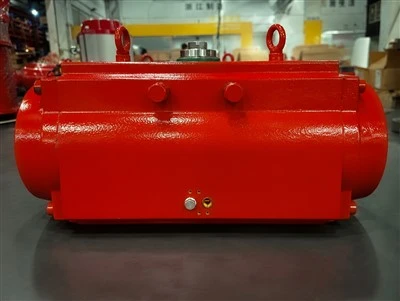
Founded in 2006, Zhejiang Bigtork Valve Automation Co., Ltd. specializes in the design and manufacture of pneumatic and hydraulic actuators for rotary and linear valve applications. Since 2011, BIGTORK has supported domestic and international oil & gas and industrial projects, providing actuator sizing, application engineering, manufacturing, testing and technical support for demanding valve automation requirements
Why Choose Us?
Proven Experience
Founded in 2006, BIGTORK has built extensive experience in the design and manufacture of pneumatic and hydraulic valve actuators. Since 2011, we have supported valve automation projects in domestic and international markets, serving a wide range of industrial applications.
Engineering Expertise
Our engineering team supports actuator sizing, configuration and application engineering for both standard and project-specific requirements. Proprietary sizing tools help ensure accurate actuator selection, while technical support is available throughout project execution and the product lifecycle.
Manufacturing Capacity
BIGTORK operates four dedicated actuator production lines with an annual production capacity of approximately 60,000 units. Advanced CNC machining centres and CNC lathes support efficient production, dimensional accuracy and consistent product quality.
Quality Assurance
Quality is controlled throughout material inspection, machining, assembly and final testing. Critical components are sourced from qualified suppliers, and every actuator undergoes final inspection and functional testing before delivery. Test documentation can be provided in accordance with project requirements.
Lifecycle Support
From actuator selection and project configuration to manufacturing, testing and after-sales support, BIGTORK works with customers throughout the equipment lifecycle. Our engineering and service teams provide responsive support to help ensure reliable actuator operation and efficient project execution.
Global Project Experience
BIGTORK has supported valve manufacturers, engineering companies and industrial customers across international markets. Experience gained from oil & gas and industrial valve automation projects enables us to respond to diverse application requirements and demanding operating conditions.
-
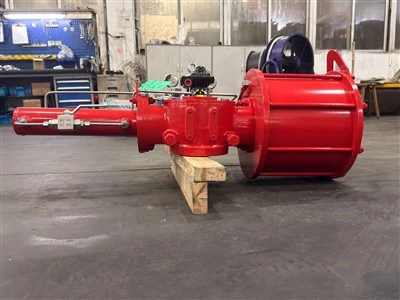
![Actuator with Bevel Gear Manual Override]() Actuator with Bevel Gear Manual OverrideBuilt around a heavy-duty scotch yoke transmission and supported by a dependable mechanical emergency override, the actuator provides a stable, reliable, maintainable and customizable automation solution for large-diameter,read more
Actuator with Bevel Gear Manual OverrideBuilt around a heavy-duty scotch yoke transmission and supported by a dependable mechanical emergency override, the actuator provides a stable, reliable, maintainable and customizable automation solution for large-diameter,read more -
![P350 Double-Acting Scotch Yoke Actuator]() P350 Double-Acting Scotch Yoke ActuatorThis scotch yoke pneumatic actuator adopts a high-output torque structural design and is suitable for automated opening and closing control of 90° rotary valves such as ball valves and butterfly valves. The actuator features a compactread more
P350 Double-Acting Scotch Yoke ActuatorThis scotch yoke pneumatic actuator adopts a high-output torque structural design and is suitable for automated opening and closing control of 90° rotary valves such as ball valves and butterfly valves. The actuator features a compactread more -
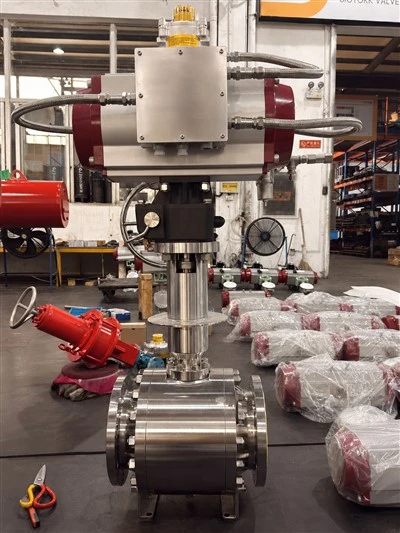
![Pneumatic Actuator With Ball Valve]() Pneumatic Actuator With Ball ValveThis is a rack-and-pinion pneumatic actuator designed for use with industrial piping systems.read more
Pneumatic Actuator With Ball ValveThis is a rack-and-pinion pneumatic actuator designed for use with industrial piping systems.read more -
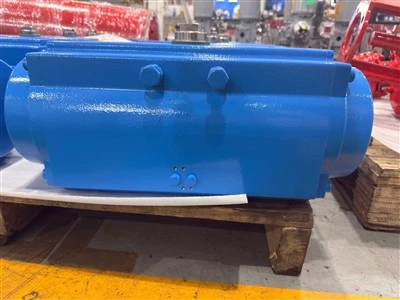
![AT190 SR Spring-returnpneumatic Actuator]() AT190 SR Spring-returnpneumatic ActuatorThe AT190SR spring-return pneumatic actuator features a robust, one-piece design with a highly recognizable blue industrial coating. With its sturdy, compact body, it is suitable for field applications that demand safe reset, stableread more
AT190 SR Spring-returnpneumatic ActuatorThe AT190SR spring-return pneumatic actuator features a robust, one-piece design with a highly recognizable blue industrial coating. With its sturdy, compact body, it is suitable for field applications that demand safe reset, stableread more -
![Single-acting Rack-and-pinion Pneumatic Actuator]() Single-acting Rack-and-pinion Pneumatic ActuatorThe AT Series pneumatic actuators feature a rack-and-pinion drive mechanism and are specifically designed for industrial automation valves. Suitable Right-angle valves such as ball valves, butterfly valves, and plug valves, they provideread more
Single-acting Rack-and-pinion Pneumatic ActuatorThe AT Series pneumatic actuators feature a rack-and-pinion drive mechanism and are specifically designed for industrial automation valves. Suitable Right-angle valves such as ball valves, butterfly valves, and plug valves, they provideread more -
![Pneumatic Single-Acting Actuator With Bevel Gear Drive]() Pneumatic Single-Acting Actuator With Bevel Gear DriveThis high-performance pneumatic single-acting actuator is engineered for heavy-duty quarter-turn valve applications.This actuator incorporates a bevel gear drive mechanism that enables directional reversal and speed reduction with torqueread more
Pneumatic Single-Acting Actuator With Bevel Gear DriveThis high-performance pneumatic single-acting actuator is engineered for heavy-duty quarter-turn valve applications.This actuator incorporates a bevel gear drive mechanism that enables directional reversal and speed reduction with torqueread more -
![Pneumatic Quarter-Turn Valve Actuator]() Pneumatic Quarter-Turn Valve ActuatorBIGTORK pneumatic rotary actuators are specifically designed for industrial automation valve control applications and are suitable for 90° rotary valves such as ball valves and butterfly valves.read more
Pneumatic Quarter-Turn Valve ActuatorBIGTORK pneumatic rotary actuators are specifically designed for industrial automation valve control applications and are suitable for 90° rotary valves such as ball valves and butterfly valves.read more -
![Compact Pneumatic Quarter-Turn Actuator]() Compact Pneumatic Quarter-Turn ActuatorThis product is a compact pneumatic quarter-turn actuator designed for industrial automation control applications. It is primarily used for the opening and closing control of ball valves, butterfly valves, and other 90-degree rotaryread more
Compact Pneumatic Quarter-Turn ActuatorThis product is a compact pneumatic quarter-turn actuator designed for industrial automation control applications. It is primarily used for the opening and closing control of ball valves, butterfly valves, and other 90-degree rotaryread more -
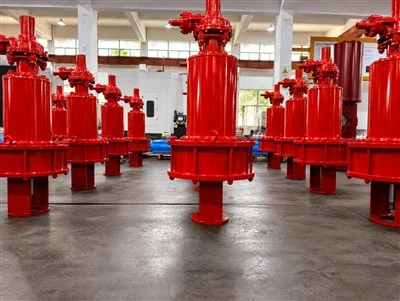
![Large Bore Spring Return Actuator]() Large Bore Spring Return ActuatorThe large-bore spring-return actuator is a heavy-duty, single-acting, spring-return Scottish yoke pneumatic actuator designed specifically for the automated control of large ball valves, butterfly valves, plug valves, and other 90° rotaryread more
Large Bore Spring Return ActuatorThe large-bore spring-return actuator is a heavy-duty, single-acting, spring-return Scottish yoke pneumatic actuator designed specifically for the automated control of large ball valves, butterfly valves, plug valves, and other 90° rotaryread more -
![Air Power Actuator]() Air Power ActuatorA rack-and-pinion pneumatic actuator is a valve drive device that converts compressed air energy into rotational motion to open and close valves. The Bigtork® model is particularly suitable for 90° rotary valves such as ball valves,read more
Air Power ActuatorA rack-and-pinion pneumatic actuator is a valve drive device that converts compressed air energy into rotational motion to open and close valves. The Bigtork® model is particularly suitable for 90° rotary valves such as ball valves,read more -
![Pneumatic Actuator AT Seriesr]() Pneumatic Actuator AT SeriesrA pneumatic actuator is a device that uses compressed air as its power source to drive valves for opening, closing, or regulating control. This device is also known as a pneumatic actuator or pneumatic unit, and is commonly referred to asread more
Pneumatic Actuator AT SeriesrA pneumatic actuator is a device that uses compressed air as its power source to drive valves for opening, closing, or regulating control. This device is also known as a pneumatic actuator or pneumatic unit, and is commonly referred to asread more -
![BG Series Scotch Yoke Actuator]() BG Series Scotch Yoke ActuatorThe BG Series Scotch Yoke Actuator is a compact, high-torque, and reliable quarter-turn actuator designed specifically for the automated control of ball valves, butterfly valves, and plug valves.read more
BG Series Scotch Yoke ActuatorThe BG Series Scotch Yoke Actuator is a compact, high-torque, and reliable quarter-turn actuator designed specifically for the automated control of ball valves, butterfly valves, and plug valves.read more


What is Pneumatic Actuator?
By definition, a pneumatic actuator is a device that converts energy typically in the form of compressed air into mechanical motion. Within the industry, pneumatic actuators are recognised by several different names including pneumatic cylinders, air cylinders, and air actuators; all of which are one and the same.
Consisting of a piston, cylinder, and shaft/rod or ports, a pneumatic actuator can convert energy into linear or rotary mechanical motions. This is dependent on whether the application is using a pneumatic rotary actuator or a linear actuator.
Benefits of Pneumatic Actuator
Pneumatic actuators can deliver high force and fast speeds of movement when used in linear motion control applications. This is down to the usage of air pressure and flow within the device.
Overheating is not a problem of concern with pneumatic actuators, regardless of how excessive the use of the application is. These devices can sustain constant pressures in comparison to alternative devices and therefore offer a longer-term of use
When it comes to functionality, the pneumatic actuator is viewed to be highly reliable. This is thanks largely to the high control that can be maintained on the conversion of gas to energy. The fact that as mentioned already, they are also highly durable means that performance is of a high standard and these devices have a long life span.
Pneumatic actuators are the preferred device for use when it comes to applications where hygiene is essential. This is largely down to the use of air as opposed to fluid, with the compressed air being free from harmful chemicals, therefore protecting the application from contamination. This, of course, is critical within the pharmaceutical and food and beverage industries.
Thanks in part to the fact that it is easy to install and maintain, the pneumatic actuator is often seen as the cost-effective choice when it comes to industrial applications. Of course, the benefits above are probably considered more important from a practicality standpoint, but in the current economic environment, the cost is still very much at the forefront of every application manager’s mind.
Types of Pneumatic Actuator
Pneumatic actuators come in two primary types: linear and rotary.
Linear actuators
Linear actuators are amazingly versatile because their operation is simple: the actuator moves a precise distance (measured in inches or millimeters), then stops. That means they can push and/or pull loads in a straight line, but that same essential motion can also be used to clamp, block, lift or lower, and eject something. Linear actuators are often paired with motors to operate pumps, valves, and switches.
Linear actuators can be powered by compressed air, hydraulic fluid, or electricity. Regardless of power source, they are reliable and cost-efficient to operate, though not necessarily under the same circumstances.
Rotary actuators
Where linear actuators can move loads only in a straight line, rotary actuators can move them at virtually any angle or provide continuous spinning. Picture a conveyor with a swing gate that pivots into position to divert an item onto another conveyor, into a box, etc. Or an arm that lifts and turns the item onto its side as it moves forward.
Rotary actuators are often used in conjunction with linear actuators. They can be powered by either compressed air or hydraulic fluid systems.
Automobile engine
Pneumatic actuators are used in a variety of automotive applications, including engine control, transmission control, and braking systems. Pneumatic actuators offer many advantages over hydraulic and electric actuators, including higher power density, lower weight, and more precise control.
Material handling
Pneumatic actuators are widely used in material handling applications. They are well suited for these applications because they can provide high force output with a relatively small footprint. Additionally, pneumatic actuators are often used in applications where precise control is required, such as in pick-and-place operations.
Pneumatic cylinders are the most common type of pneumatic actuator and are well-suited for use in material handling applications.
Food and beverage production
Pneumatic actuators are used extensively in the food and beverage production industry due to their versatility, reliability, and cost-effectiveness. They are commonly used in conveyor systems to move products from one stage of production to the next, as well as in packaging and labelling machines.
Pneumatic actuators can also be used in process control applications such as regulating the flow of liquids and gases or controlling the temperature of ovens and other cooking equipment. In addition, these actuators are often used in sanitation applications due to their ability to withstand harsh cleaning chemicals.

Components of Pneumatic Actuator
Valve
The pneumatic actuator valve controls the flow of compressed gas as it goes into the cylinder or housing, allowing for variable actuator speed, torque, and other options.
01
Cylinder/housing
The pneumatic actuator cylinder is the air-tight chamber that receives compressed gas. It contains a piston that moves under the action of air pressure.
02
Piston/diaphragm/vane
Depending on the type of this device, a piston, diaphragm, or vane is pushed by pressurized air to cause motion.
03
Rod/shaft
This part connects the moving piston, diaphragm, or vane to the load, transferring the air-generated motion.
04
Return spring
Some types of air actuators, called single-acting actuators, use a return spring to retract the moving part when air vents out and pressure reduces.
05
Process of Pneumatic Actuator
The role of compressed air
The heart of any pneumatic system is its supply of compressed air. Air compressors are used to draw in atmospheric air, which is then compressed to a higher pressure. This compressed air is stored in a tank and distributed through a network of pipes to the actuators. The energy stored in this compressed air is what pneumatic actuators harness to perform work.
Entering the cylinder
A pneumatic actuator typically comprises a cylindrical chamber (cylinder) in which a piston can move back and forth or rotate, depending on the design. The cylinder has one or more ports through which compressed air can enter or exit. Control valves regulate the flow of air into and out of the cylinder, directing the air to either side of the piston to control its movement.
Piston movement
When compressed air is introduced into the cylinder on one side of the piston, it creates pressure that pushes the piston to move. This movement can be linear (straight line) or rotary (circular), based on the type of actuator. The piston is connected to a rod in linear actuators, which extends outside the cylinder to perform work. In rotary actuators, the piston's movement is converted into rotational motion, often through a rack and pinion mechanism.
Control and precision
The movement of the piston can be precisely controlled in terms of speed, position, and force. This is achieved through a combination of control valves, flow restrictors, and sensors. Valves can quickly switch the flow of air, changing the direction of the piston’s movement or stopping it altogether. Flow restrictors can adjust the speed of movement by limiting the flow of air into or out of the cylinder. Sensors provide feedback on the piston's position, allowing for precise control over its movement.
How to Maintain Pneumatic Actuator
Actuators:
1. Check that the piston rod has not been damaged by material debris, rust, or corrosion.
2. Remove debris build-up on the piston rod to prevent nose and wiper seals leaking.
3. Check that the piston seals are not worn, which could be lowering the potential thrust generated.
4. Remove moisture or debris contamination from cylinder barrels that could damage piston seals.
5. Check all the pivots on cylinder mountings.
6. If the cylinder model includes adjustable cushioning, is it functioning to a satisfactory level?
Air prep devices:
7. Check the Polycarbonate bowl on the filter. Does it display any cracking or grazing?
8. Is the auto drain still working or leaking? Does the drain present audible leakage?
9. Is the lubricator delivering the correct level of oil supply downstream?
10. Do the pressure gauges still monitor output pressure or is it broken?
11. Is the filter element clean enough to prevent pressure drops?
12. Is the regulator maintaining optimum pressure? Does the relief hole display a continuous audible leak when under pressure?
13. Check that the open exhaust ports or breathers are clear to prevent ingress of debris from entering.
14. Check that the upstream filters are not restricting air flow to valves.
Solenoids and valves:
15. Solenoid operators may slow down at the end of their life cycle – check that the speed of operation is still at optimum levels.
16. Check mechanical operators for general wear and tear. Replace if necessary – the consequences of failure can be dangerous!
17. Check that the exhaust ports on valves do not present continuous audible leaks.
General overview:
18. Whilst machines aren’t running, listen for leaks through the whole system.
While pneumatic cylinders work by way of pressurized air, electric actuators use electricity to function. Electric actuators are made up of a screw, coupler and motor, such as a stepper or servo. The screw turns and moves a nut, which makes the connecting rod or carriage shift the load. While pneumatic and electric actuators have similar uses, they aren’t directly interchangeable in every industry.
These two types of actuators vary in several other ways:
Cost: Overall, pneumatic actuators have lower initial costs than the electric variety, but each has their purposes, and either could end up saving money in operating costs. Pneumatic cylinders are the most cost-efficient when the compressor size matches the number of cylinders it’s powering. Electric actuators provide the highest level of efficiency in moderate scales, though they have low operating costs in general.

Force: In pneumatic actuators, speed and thrust are positively linked, meaning as one increases, the other does as well. In electric actuators, thrust and speed do not have the same link, as one decreases as the other increases. You can engineer them to perform differently, but it requires higher expenses.
Control: Where pneumatic cylinders are better for industries that need force, electric actuators provide more accurate control and positioning. The standard models of the electric variety can move with precision from hundredths to thousandths of an inch.
Here Are 4 Signs That Call for an Immediate Replacement of a Pneumatic Actuator.
Generally, most pneumatic actuators produce a low or medium level of noise. However, they can get quite loud if an internal mechanical component is dislodged. Moreover, actuators work at a high intensity on a daily basis, which makes them even more susceptible to wear and tear. Hence, if your operators report any loud noises while operating the machine, consider having them replaced or at least examined.
Pneumatic actuators use compressed air to generate high velocities, rapidly accelerating and decelerating as the occasion demands. Therefore, any drop in its speed is noticeable, indicating that it is poorly converting the input pressure. In such cases, you'll need to replace them with new ones. Have your maintenance team inspect your actuator’s performance daily to ensure you have sufficient velocity powering your tools and equipment.
Corrosion happens when moisture enters your air compressor. The compressor's components will suffer from rusting and corrosion before the actuators. Thus, if the actuators have begun rusting, then your air compressor is definitely worse for the wear. In such cases, consider having the entire pneumatic system repaired or replaced to maximize your productivity.
Any machine or pneumatic equipment will have a significant dip in performance upon reaching ten years of continuous, high-intensity operation daily, for no manufacturers can guarantee consistent performance beyond that point. If this is the case with your equipment, then consider replacing them.
Bigtork® have covered an area of total 20000 square meters, which its workshop for machining, assemble, testing and its warehouse for raw material, semi-finished product and finished product.


Our Certificates


FAQ
Zhejiang Bigtork Valve Automation Co., Ltd. is one of the leading pneumatic actuator manufacturers and suppliers in China. We warmly welcome you to buy customized pneumatic actuator at competitive price from our factory. Contact us for more details.
-
![Actuator with Bevel Gear Manual Override]() Actuator with Bevel Gear Manual OverrideBuilt around a heavy-duty scotch yoke transmission and supported by a dependable mechanical emergency override, theread more
Actuator with Bevel Gear Manual OverrideBuilt around a heavy-duty scotch yoke transmission and supported by a dependable mechanical emergency override, theread more -
![ZSS300 Pneumatic Linear Actuator]() ZSS300 Pneumatic Linear ActuatorThe ZSS300 is a single-cylinder, air-to-open pneumatic actuator designed for reliable linear valve operation inread more
ZSS300 Pneumatic Linear ActuatorThe ZSS300 is a single-cylinder, air-to-open pneumatic actuator designed for reliable linear valve operation inread more -
![P350 Double-Acting Scotch Yoke Actuator]() P350 Double-Acting Scotch Yoke ActuatorThis scotch yoke pneumatic actuator adopts a high-output torque structural design and is suitable for automated openingread more
P350 Double-Acting Scotch Yoke ActuatorThis scotch yoke pneumatic actuator adopts a high-output torque structural design and is suitable for automated openingread more -
![Pneumatic Actuator With Ball Valve]() Pneumatic Actuator With Ball ValveThis is a rack-and-pinion pneumatic actuator designed for use with industrial piping systems.read more
Pneumatic Actuator With Ball ValveThis is a rack-and-pinion pneumatic actuator designed for use with industrial piping systems.read more -
![AT190 SR Spring-returnpneumatic Actuator]() AT190 SR Spring-returnpneumatic ActuatorThe AT190SR spring-return pneumatic actuator features a robust, one-piece design with a highly recognizable blueread more
AT190 SR Spring-returnpneumatic ActuatorThe AT190SR spring-return pneumatic actuator features a robust, one-piece design with a highly recognizable blueread more -
![Single-acting Rack-and-pinion Pneumatic Actuator]() Single-acting Rack-and-pinion Pneumatic ActuatorThe AT Series pneumatic actuators feature a rack-and-pinion drive mechanism and are specifically designed forread more
Single-acting Rack-and-pinion Pneumatic ActuatorThe AT Series pneumatic actuators feature a rack-and-pinion drive mechanism and are specifically designed forread more