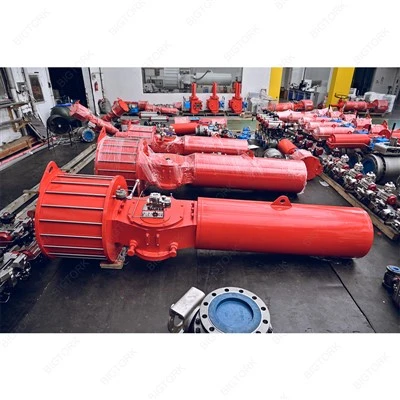
Hey there! As a supplier of pneumatic valve actuators, I get a lot of questions about setting the opening and closing time of these nifty devices. It's a crucial aspect, whether you're using a Pneumatic Butterfly Valve Actuator, an Industrial Valve Actuators, or any other type in your setup. In this blog, I'm gonna walk you through the whole process in a simple and easy - to - understand way.


Understanding Pneumatic Valve Actuators
Before we dive into setting the opening and closing times, let's quickly go over what pneumatic valve actuators are. These bad boys use compressed air to move and control the valves. They're super common in industrial settings because they're reliable, powerful, and can work in some pretty tough conditions. You'll find them in everything from Air Piston Actuator - based systems to those using Air Operated Actuator technology.
Factors Affecting Opening and Closing Time
A bunch of things can impact how long it takes for a pneumatic valve actuator to open or close. Here are the main ones:
- Actuator Size and Type: Different sizes and types of actuators have different capabilities. For example, larger Industrial Pneumatic Actuators might take longer to move because they have more mass to shift. And the specific design of the actuator, like whether it's a scotch - yoke or a rack - and - pinion, can also affect the speed.
- Air Pressure: This is a big one. Higher air pressure can make the actuator move faster. If you've got low air pressure, the actuator will be sluggish and take more time to open or close.
- Valve Load: The amount of resistance the valve puts up while opening or closing matters. If the valve is dealing with high - pressure fluids or sticky substances, it'll take longer for the actuator to do its job.
- Piping and Fittings: The size and length of the air pipes, as well as the quality of the fittings, can slow down the air flow to the actuator. This means less air getting to the actuator quickly, which in turn affects the opening and closing time.
How to Set the Opening and Closing Time
Step 1: Check the Manufacturer's Specifications
First things first, grab the manual or look up the details on the actuator. The manufacturer should have some recommended settings for opening and closing times based on the actuator's size, type, and intended use. This gives you a starting point.
Step 2: Adjust the Air Pressure
As I mentioned earlier, air pressure has a major impact on the actuator's speed. You can use a pressure regulator to adjust the air pressure going to the actuator. If you want the actuator to open or close faster, increase the pressure. Just be careful not to go over the maximum pressure rating of the actuator, or you could end up damaging it.
Step 3: Modify the Flow Control Valves
Most pneumatic valve actuators come with flow control valves. These valves regulate the amount of air that gets to the actuator. If you want to slow down the opening or closing time, you can restrict the flow of air by adjusting the flow control valve. To speed things up, open up the valve a bit more.
Step 4: Consider External Lubrication
Sometimes, adding some lubrication to the moving parts of the actuator can make it move more smoothly and quickly. However, make sure you're using the right type of lubricant that's compatible with the actuator's materials.
Step 5: Test and Fine - Tune
Once you've made your adjustments, it's time to test the actuator. Open and close the valve a few times and measure the time it takes. If it's not quite right, go back and make some more small adjustments to the air pressure or the flow control valves. Keep doing this until you get the desired opening and closing times.
Tips for Optimal Performance
- Regular Maintenance: Keep your pneumatic valve actuators in top shape by doing regular maintenance. This includes checking for any air leaks, cleaning the parts, and replacing any worn - out components.
- Monitor the System: Keep an eye on the performance of the actuator over time. If you notice any changes in the opening and closing times, it could be a sign of a problem that needs to be addressed.
- Use Quality Components: When it comes to the air pipes, fittings, and other parts of the pneumatic system, don't skimp on quality. Using good - quality components will help ensure consistent performance.
Why Choose Our Pneumatic Valve Actuators?
We've been in the business for a while, and we know what it takes to make high - quality pneumatic valve actuators. Our products are designed to be reliable, efficient, and easy to install and maintain. Whether you need a Pneumatic Butterfly Valve Actuator for a simple application or an Industrial Valve Actuators for a more complex industrial setup, we've got you covered.
If you're in the market for pneumatic valve actuators and want to discuss your specific needs, reach out to us. We're here to help you find the perfect solution and answer any questions you might have about setting the opening and closing times or anything else related to our products.
References
- "Pneumatic Actuators: Design and Application" - A general guide on the design and use of pneumatic actuators, which provides in - depth information on their operation and performance characteristics.
- Manufacturer's manuals for various pneumatic valve actuators, which contain detailed specifications and instructions for installation and adjustment.