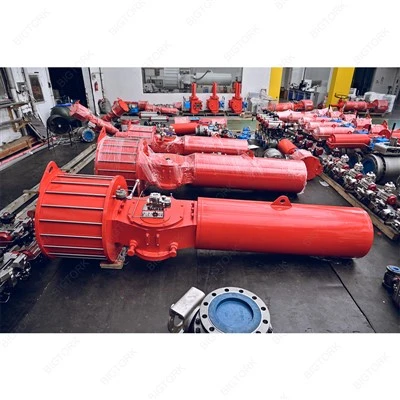
Hey there! I'm an Air Torque Actuator supplier, and I've seen my fair share of issues with these bad boys. Air Torque Actuators are super useful in a bunch of industries, but like any mechanical device, they can run into problems. In this blog, I'll chat about some of the common failures you might encounter with an Air Torque Actuator.
1. Leakage
One of the most common headaches is leakage. It can happen in different places on the actuator. First off, there are the seals. Over time, seals can wear out due to friction, temperature changes, and exposure to different kinds of fluids. When the seals start to go, air or hydraulic fluid (depending on the type of actuator) can start to seep out.
You might notice a drop in pressure. If the actuator isn't getting the right pressure, it won't be able to move the valve or whatever it's attached to properly. Plus, a leaky actuator can be wasteful. You're losing energy and fluid, which can add up over time.


Another place where leakage can occur is at the connections. If the hoses or pipes aren't properly tightened or if the fittings are damaged, you can end up with leaks. It's like having a hole in your water pipe; the water just keeps coming out.
2. Lubrication Problems
Lubrication is key for the smooth operation of an Air Torque Actuator. Without proper lubrication, the moving parts can start to grind against each other. This causes increased friction, which in turn leads to wear and tear.
Sometimes, the lubricant can dry out or get contaminated. If the actuator is operating in a dirty environment, dust and debris can get into the lubricant and make it less effective. When the lubrication is off, you might hear strange noises coming from the actuator. It could sound like a squeaking or a grinding noise, which is a clear sign that something's not right.
3. Mechanical Wear and Tear
It's no surprise that with all the moving parts in an Air Torque Actuator, mechanical wear and tear are bound to happen. The gears, pistons, and other components can wear down over time. This is especially true if the actuator is used frequently or in harsh conditions.
For example, if the actuator is exposed to high temperatures or corrosive substances, it can speed up the wear process. When the parts start to wear, the actuator might not operate as smoothly as it should. You might notice a delay in the movement or a reduction in the force it can apply.
4. Electrical Issues (if applicable)
Some Air Torque Actuators have electrical components, like solenoids or sensors. These parts can have their own set of problems. Electrical connections can loosen over time, causing intermittent or complete loss of power to the component.
Sensors can also malfunction. They might give incorrect readings, which can lead to improper operation of the actuator. For instance, if a pressure sensor isn't working right, the actuator might not receive the correct signals to open or close a valve.
5. Overloading
If an Air Torque Actuator is asked to do more than it's designed for, it can fail. Overloading can happen if the valve it's attached to is too big or if there's a blockage in the system. When the actuator is overloaded, it has to work harder, which can cause excessive stress on the components.
This can lead to premature wear and even breakage. You might see parts like the piston rod bending or the gears stripping. Overloading can also cause the motor (if it has one) to overheat, which can damage the electrical components.
6. Environmental Factors
The environment where the actuator is installed can have a big impact on its performance. If it's in a place with high humidity, corrosion can be a major issue. Moisture can cause rust to form on the metal parts, weakening them over time.
Extreme temperatures are also a problem. Cold temperatures can make the fluids in the actuator thicker, which can make it harder for the actuator to move. On the other hand, high temperatures can cause the seals to expand and lose their shape, leading to leakage.
How to Avoid These Failures
Now that we've talked about the common failures, let's touch on how to avoid them. Regular maintenance is crucial. This includes checking the seals for wear and replacing them as needed, ensuring proper lubrication, and inspecting the electrical connections.
It's also important to use the actuator within its designed specifications. Don't try to overload it. And if possible, protect the actuator from harsh environmental conditions. You can use enclosures or insulation to shield it from extreme temperatures and humidity.
Where to Find More Information
If you're interested in learning more about different types of actuators, check out these links:
- Pneumatic Piston Actuator
- Actuator Scotch Yoke
- Single Acting Actuator
- Heavy Duty Rotary Actuator
- Scotch Yoke Valve Actuator
Reach Out for a Purchase
If you're dealing with actuator issues or looking to buy a new Air Torque Actuator, I'm here to help. Get in touch, and we can discuss your needs and find the best solution for you. Whether you're in a small business or a large industry, we've got the right actuator for you. Let's talk and see how we can make your operations smoother and more efficient.
References
- manufacturer's manuals for Air Torque Actuators
- industry standards for pneumatic and hydraulic actuators