Company Profile
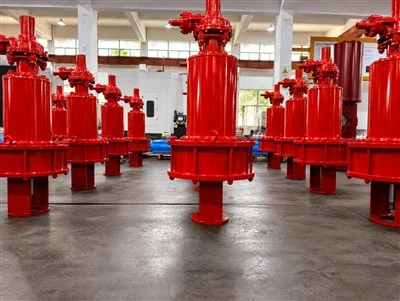
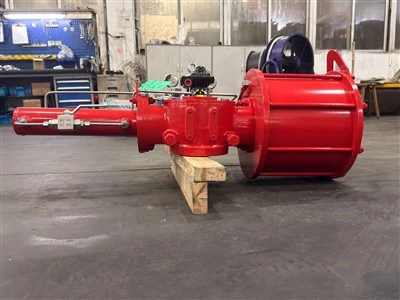
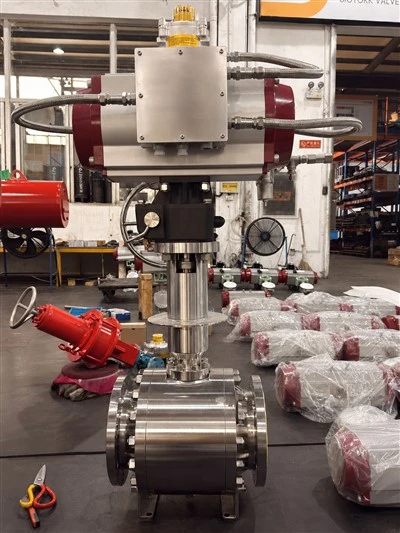
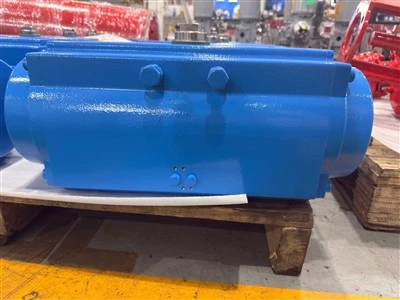
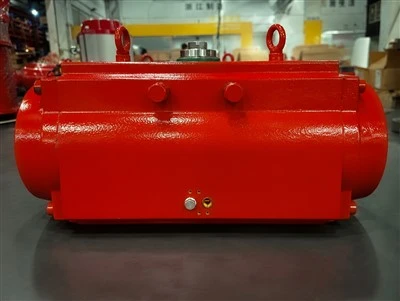
Founded in 2006, Zhejiang Bigtork Valve Automation Co., Ltd. specializes in the design and manufacture of pneumatic and hydraulic actuators for rotary and linear valve applications. Since 2011, BIGTORK has supported domestic and international oil & gas and industrial projects, providing actuator sizing, application engineering, manufacturing, testing and technical support for demanding valve automation requirements.
Why Choose Us?
Proven Experience
Founded in 2006, BIGTORK has built extensive experience in the design and manufacture of pneumatic and hydraulic valve actuators. Since 2011, we have supported valve automation projects in domestic and international markets, serving a wide range of industrial applications.
Engineering Expertise
Our engineering team supports actuator sizing, configuration and application engineering for both standard and project-specific requirements. Proprietary sizing tools help ensure accurate actuator selection, while technical support is available throughout project execution and the product lifecycle.
Manufacturing Capacity
BIGTORK operates four dedicated actuator production lines with an annual production capacity of approximately 60,000 units. Advanced CNC machining centres and CNC lathes support efficient production, dimensional accuracy and consistent product quality.
Quality Assurance
Quality is controlled throughout material inspection, machining, assembly and final testing. Critical components are sourced from qualified suppliers, and every actuator undergoes final inspection and functional testing before delivery. Test documentation can be provided in accordance with project requirements.
Lifecycle Support
From actuator selection and project configuration to manufacturing, testing and after-sales support, BIGTORK works with customers throughout the equipment lifecycle. Our engineering and service teams provide responsive support to help ensure reliable actuator operation and efficient project execution.
Global Project Experience
BIGTORK has supported valve manufacturers, engineering companies and industrial customers across international markets. Experience gained from oil & gas and industrial valve automation projects enables us to respond to diverse application requirements and demanding operating conditions.
-
![ZSS300 Pneumatic Linear Actuator]() ZSS300 Pneumatic Linear ActuatorThe ZSS300 is a single-cylinder, air-to-open pneumatic actuator designed for reliable linear valve operation in demanding industrial applications.read more
ZSS300 Pneumatic Linear ActuatorThe ZSS300 is a single-cylinder, air-to-open pneumatic actuator designed for reliable linear valve operation in demanding industrial applications.read more -
![FC Linear Pneumatic Actuator]() FC Linear Pneumatic ActuatorThis series of actuators consists of single-acting, linear-travel pneumatic actuators designed for the automated control of industrial valves, featuring an air-to-open design. Under normal air supply conditions, the actuator pushes theread more
FC Linear Pneumatic ActuatorThis series of actuators consists of single-acting, linear-travel pneumatic actuators designed for the automated control of industrial valves, featuring an air-to-open design. Under normal air supply conditions, the actuator pushes theread more -
![Double-acting Linear Actuator]() Double-acting Linear ActuatorThe BIGTORK double-acting linear actuator is designed for high-load valve control applications. Featuring a double-acting pneumatic drive mechanism, it converts a stable air supply into powerful, smooth linear thrust, providing reliableread more
Double-acting Linear ActuatorThe BIGTORK double-acting linear actuator is designed for high-load valve control applications. Featuring a double-acting pneumatic drive mechanism, it converts a stable air supply into powerful, smooth linear thrust, providing reliableread more -
![Linear Valve Actuator]() Linear Valve ActuatorThis device is specifically designed to verify the thrust performance of linear pneumatic actuators, enabling the direct measurement of the actuator’s linear thrust output under various operating conditions and at different angles.read more
Linear Valve ActuatorThis device is specifically designed to verify the thrust performance of linear pneumatic actuators, enabling the direct measurement of the actuator’s linear thrust output under various operating conditions and at different angles.read more -
![Side-Ported Single-Acting Linear Pneumatic Actuator]() Side-Ported Single-Acting Linear Pneumatic ActuatorThis single-acting linear pneumatic actuator features a side-ported air inlet configuration, with the air supply port arranged on the side of the actuator body. This design allows the air connection to better match on-site pneumatic pipingread more
Side-Ported Single-Acting Linear Pneumatic ActuatorThis single-acting linear pneumatic actuator features a side-ported air inlet configuration, with the air supply port arranged on the side of the actuator body. This design allows the air connection to better match on-site pneumatic pipingread more -
![Ip67 Linear Actuator]() Ip67 Linear ActuatorIp67 linear actuator is a weatherproof and waterproof actuator protects it keeps out wind, rain, dust and water. This ip67 linear actuator allows IP65 IP66 IP67 even highest IP68 proof level that make it suitable in some harsh outdoorread more
Ip67 Linear ActuatorIp67 linear actuator is a weatherproof and waterproof actuator protects it keeps out wind, rain, dust and water. This ip67 linear actuator allows IP65 IP66 IP67 even highest IP68 proof level that make it suitable in some harsh outdoorread more -
![Ip68 Linear Actuator]() Ip68 Linear ActuatorIp68 linear actuator is a weatherproof and waterproof actuator protects it keeps out wind, rain, dust and water. This ip68 linear actuator allows IP65 IP66 IP67 even highest IP68 proof level that make it suitable in some harsh outdoorread more
Ip68 Linear ActuatorIp68 linear actuator is a weatherproof and waterproof actuator protects it keeps out wind, rain, dust and water. This ip68 linear actuator allows IP65 IP66 IP67 even highest IP68 proof level that make it suitable in some harsh outdoorread more -
![Marine Linear Actuator]() Marine Linear ActuatorLinear actuator is a device that uses compressed air or liquid to push a piston for linear motion. It can convert pneumatic or hydraulic energy into mechanical force and is used to control the opening and closing of linear valves such asread more
Marine Linear ActuatorLinear actuator is a device that uses compressed air or liquid to push a piston for linear motion. It can convert pneumatic or hydraulic energy into mechanical force and is used to control the opening and closing of linear valves such asread more -
![High Thrust Linear Actuator]() High Thrust Linear ActuatorHigh thrust linear actuator is a device that uses compressed air or liquid to push a piston for linear motion. High thrust linear actuator can convert pneumatic or hydraulic energy into mechanical force and is used to control the openingread more
High Thrust Linear ActuatorHigh thrust linear actuator is a device that uses compressed air or liquid to push a piston for linear motion. High thrust linear actuator can convert pneumatic or hydraulic energy into mechanical force and is used to control the openingread more -
![High Power Linear Actuator]() High Power Linear ActuatorA high power linear actuator is a mechanical device that can convert linear motion into rotational motion, or convert rotational motion into linear motion. Power linear linear actuators as a straight stroke actuator are widely used inread more
High Power Linear ActuatorA high power linear actuator is a mechanical device that can convert linear motion into rotational motion, or convert rotational motion into linear motion. Power linear linear actuators as a straight stroke actuator are widely used inread more


A linear actuator is an actuator that creates linear motion (i.e., in a straight line), in contrast to the circular motion of a conventional electric motor. Linear actuators are used in machine tools and industrial machinery, in computer peripherals such as disk drives and printers, in valves and dampers, and in many other places where linear motion is required. Hydraulic or pneumatic cylinders inherently produce linear motion. Many other mechanisms are used to generate linear motion from a rotating motor.
Benefits of Linear Actuator
Precision: Linear actuators can provide very precise and repeatable motion, which is essential in many applications such as semiconductor manufacturing or medical equipment.
Efficiency: Linear actuators are much more efficient than traditional methods such as hydraulic cylinders, which can waste a lot of energy through heat loss.
Safety: Linear actuators are much safer than traditional methods, as they do not rely on high pressure fluids or gases which could leak and cause injury.
Environmentally friendly: Linear actuators do not use hydraulic fluids or gases, which can be harmful to the environment. They are also often made from recycled materials.
Cost effective: Linear actuators are typically more cost effective than traditional methods, due to their efficiency and lack of required maintenance.
Versatility: Linear actuators can be used in a variety of applications, from automotive to industrial. They are also relatively easy to install and maintain.
Types of Linear Actuator
1.Stepper motor linear actuators – Are preferred by equipment designers who require high performance and endurance in a very small package.
2.Dual-motion - Provide independent linear and rotary motion from a single compact actuator package. This type of actuator is an ideal replacement for bulky and complex mechanisms.
3.Can-stack stepper motor linear actuators - Provide a broader range of thrust and speed to address a wider range of applications.
4.External linear actuators – Affix the lead screw onto the shaft of the motor.this type is commonly chosen to power linear slide systems in the 60-500mm stroke range.
5.Non-captive linear actuators – Locate the nut inside the motor and allow the screw to move linearly through the actuator.this type is common for stroke lengths of 30-200mm.
6.Captive linear actuators - Locates the nut inside the actuator body (like non-captive actuators) but the front side features a linear spline attached to the screw, which prevents the rotation of the screw and provides linear output.
7.Electro-mechanical actuators - Combine a motor with an external linear drive element, which could be a ballscrew, lead screw, rack and pinion, or belt.gearboxes and linear guide elements might also be included.
8.Hydraulic actuators - Are hydraulic cylinders with a piston that uses an incompressible liquid to produce unbalanced pressure on the piston to create linear displacement.
9.Pneumatic actuators - Use compressed air to convert energy into mechanical motion. They consist of a piston, cylinder and a valve or port, which can produce linear or rotary mechanical motion.
10.Voice coil actuators - Have magnets that generate a magnetic field which produces current that moves a coil to create motion in a shaft. The force of the motion is proportional to the turns of the coil.
Application of Linear Actuator
Industrial automation
In industrial automation, linear actuators are used for tasks such as conveyor belt control, robotic arm movement, and precise positioning of equipment. They enable efficient and accurate automation processes, enhancing productivity and reducing manual labor.
01
Robotics
Linear actuators play a crucial role in robotics, enabling precise movement and control of robotic arms, grippers, and joints. They allow robots to perform complex tasks with high accuracy, making them invaluable in manufacturing, healthcare, and research.
02
Medical and healthcare
Linear actuators are used in medical equipment such as hospital beds, dental chairs, and surgical tables. They provide smooth and controlled movement, ensuring patient comfort and precise positioning during medical procedures.
03
Automotive
In the automotive industry, linear actuators are utilized in various applications, including adjustable seats, headrests, sunroofs, and trunk opening mechanisms. They enhance comfort and convenience for vehicle occupants while enabling automated functions.
04
Home automation
Linear actuators are incorporated into home automation systems to control window blinds, door locks, and adjustable furniture. They allow homeowners to automate various aspects of their homes, providing convenience and customization.
05
Power source
This AC or DC motor provides the energy necessary to drive the actuator. While electricity is the most common energy source, air and fluid energy are also used in some applications.
Power converter
The power converter delivers power from the source to the actuator based on measurements from the controller. Examples of industrial power converters include hydraulic proportional valves and electrical inverters.
Actuator
The actuator is the actual device.
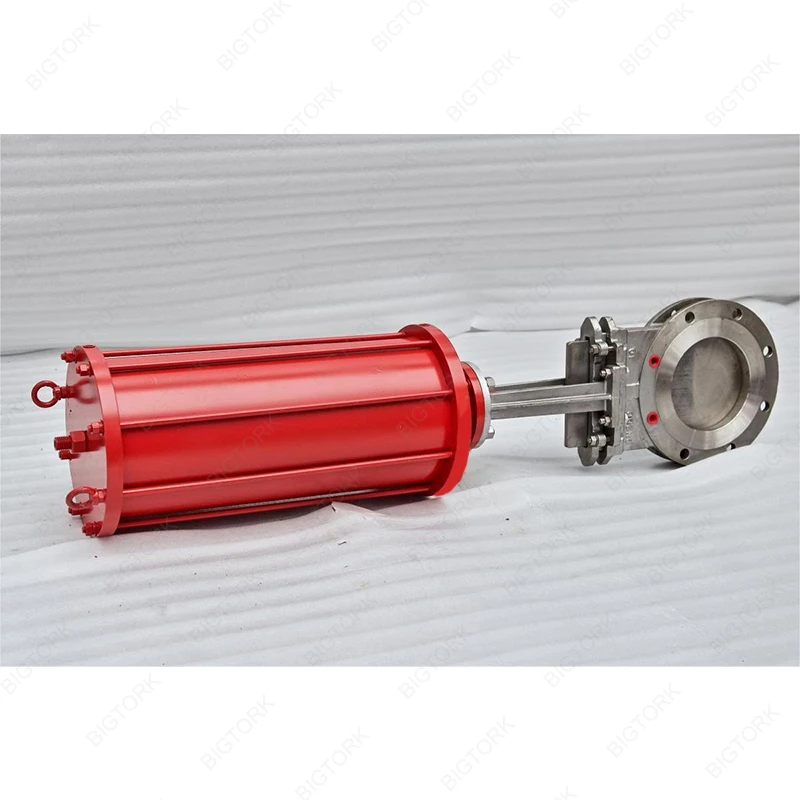

Mechanical load
The load driven by the actuator is determined by a mathematical formula or a load capacity chart. Loads are calculated for vertical and horizontal configurations, as well as for movement along the X and Y axes. An actuator experiences two types of loads: static and dynamic. Static load refers to the force when the actuator is stopped, while dynamic load refers to the force when the actuator is in motion. Each type of load has its own capacity range.
Controller
The controller ensures proper system function by allowing an operator to input quantities and setpoints.
How to Maintain Linear Actuator
Keep within the rated duty cycle
Duty cycle is basically how much of the time an actuator is operational stated as a percentage. A duty cycle of 20% means that an actuator is rated to be in operation 20% of the time. For more information on duty cycles check out this article. The duty cycle of an actuator as indicated on the data sheet is designed to give you the best balance of usability and lifespan. If your actuator has a 20% duty cycle and you run it at 30%, it will probably do that just fine for a while, but over time it will shorten the life of the device.
Minimize side load
Standard linear actuators are designed to push and pull a load. They are not designed to be side loaded. Side loading an actuator can significantly reduce its life by increasing the internal friction which wears out the components much faster. If your application puts the actuator in a position where a side load will be present, consider using a linear slide rail in conjunction with your actuator. Another solution would be to use a track actuator. Track actuators are designed to take some side load and are ideal for these types of situations.
Stay within the recommended voltage
Actuators have a rated voltage for a reason. If you apply more voltage than is recommended for a unit it may run faster for a while. Ultimately however, this will shorten the life of the motor and cause premature failure of the device. It is better to purchase an actuator that is rated for the voltage that you intend to use or alternately, find a way to reduce the voltage in your application.
Watch your force
All things being equal, the lower the force that your application requires, the longer your actuator will last. An actuator rated for a 20lbs max is capable of pushing/pulling 20lbs of force. It is recommended that you operate your actuator as far below the max rated force as possible for maximum lifespan. If you require a high force consider moving up to a higher gearing ratio. This will reduce the speed of the device but increase its lifespan.
Avoid extreme operating conditions
It's best to avoid using actuators in environments with extreme heat, cold, dirt, or dust and moisture if possible. There are situations where a customer's needs can be accommodated. For example, in the past we have actuators with custom gear lube for low temperatures. For more information, check out our custom linear actuator page.
How Does a Linear Actuator Work?
Linear actuators are controlled through a variety of methods, typically involving electronic signals.
DC control
DC voltage is applied directly to the motor through a switch, relay, or other mechanism. Changing the polarity of the voltage supply allows the actuator to change direction.
PLCs (programmable logic controllers)
PLCs are popular control systems in many fields, including industrial automation. They can drive linear actuators with a variety of control signals, including 4-20mA current loops.
Pulse width modulation (PWM)
Switching a digital signal on and off produces the equivalent of an analog DC signal, which can command an actuator to move to a certain position. Varying the signal’s on-time vs. off-time (pulse width) will command the actuator to different positions. This is a common control method when using microcontrollers in embedded systems.
Servo control
Some actuators operate as direct plug and play replacements for standard rotary servos.
Some linear actuators integrate feedback sensors, such as encoders or hall-effect sensors, which provide real-time information about the actuator's position, allowing for closed-loop control and enhanced accuracy.
Selection Criteria
Linear actuators find their applications in a wide array of industrial settings, proving their versatility and importance in modern automation and mechanical design. When selecting the right actuator for your needs, considering several criteria ensures optimal performance and integration into your systems. Key selection criteria include:
Power source: Whether electric, hydraulic, or pneumatic, the available power source at your facility can dictate the most suitable actuator type.
Required motion: Decide if your application demands linear or rotary motion. Linear actuators are ideal for push-pull actions, while rotary actuators suit tasks involving rotation.
Precision and control
For applications requiring high precision, such as robotics or automation, electric actuators offer superior control and programmability.
Load capacity
Evaluate the load the actuator needs to move. Hydraulic and pneumatic actuators are typically suited for heavier loads due to their high force output.
Speed requirements
The necessary speed to complete tasks can influence your choice; pneumatic actuators often provide faster movement compared to electric and hydraulic actuators.
Environment
Consider the operating environment, as factors like temperature, humidity, and exposure to contaminants can affect actuator performance and lifespan.
The Evolution of the Electric Linear Actuator
The underlying design of the electric linear actuator hasn't changed much since its invention. However, the controls and programmability has become more intricate, with the development of new technologies. This means that many actuators can now be controlled from a single panel, allowing them to be programmed quickly and easily.
The electric linear actuator as we know it today was invented by Bent Jensen in 1979. Jensen was a Danish businessman who was trying to think of an idea to save his failing agricultural business. One day, whilst talking to an old friend who had a disability, Bent came up with the idea to develop an electric actuator that could adjust the wheelchair.
Since this pivotal moment over 40 years ago, electric linear actuators have continued to evolve as a result of developments in technology. They are now more accurate and more reliable than ever before, enabling precise positioning in almost every single industry.
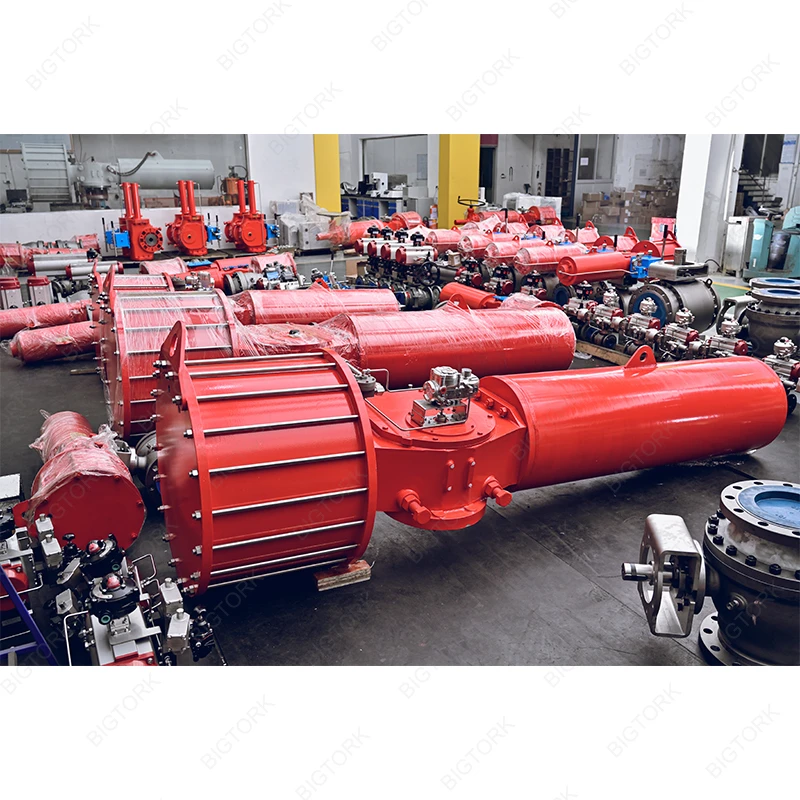
Bigtork® have covered an area of total 20000 square meters, which its workshop for machining, assemble, testing and its warehouse for raw material, semi-finished product and finished product.


Our Certificates


FAQ
Zhejiang Bigtork Valve Automation Co., Ltd. is one of the leading linear actuator manufacturers and suppliers in China. We warmly welcome you to buy customized linear actuator at competitive price from our factory. Contact us for more details.
-
![Actuator with Bevel Gear Manual Override]() Actuator with Bevel Gear Manual OverrideBuilt around a heavy-duty scotch yoke transmission and supported by a dependable mechanical emergency override, theread more
Actuator with Bevel Gear Manual OverrideBuilt around a heavy-duty scotch yoke transmission and supported by a dependable mechanical emergency override, theread more -
![ZSS300 Pneumatic Linear Actuator]() ZSS300 Pneumatic Linear ActuatorThe ZSS300 is a single-cylinder, air-to-open pneumatic actuator designed for reliable linear valve operation inread more
ZSS300 Pneumatic Linear ActuatorThe ZSS300 is a single-cylinder, air-to-open pneumatic actuator designed for reliable linear valve operation inread more -
![P350 Double-Acting Scotch Yoke Actuator]() P350 Double-Acting Scotch Yoke ActuatorThis scotch yoke pneumatic actuator adopts a high-output torque structural design and is suitable for automated openingread more
P350 Double-Acting Scotch Yoke ActuatorThis scotch yoke pneumatic actuator adopts a high-output torque structural design and is suitable for automated openingread more -
![Pneumatic Actuator With Ball Valve]() Pneumatic Actuator With Ball ValveThis is a rack-and-pinion pneumatic actuator designed for use with industrial piping systems.read more
Pneumatic Actuator With Ball ValveThis is a rack-and-pinion pneumatic actuator designed for use with industrial piping systems.read more -
![AT190 SR Spring-returnpneumatic Actuator]() AT190 SR Spring-returnpneumatic ActuatorThe AT190SR spring-return pneumatic actuator features a robust, one-piece design with a highly recognizable blueread more
AT190 SR Spring-returnpneumatic ActuatorThe AT190SR spring-return pneumatic actuator features a robust, one-piece design with a highly recognizable blueread more -
![Single-acting Rack-and-pinion Pneumatic Actuator]() Single-acting Rack-and-pinion Pneumatic ActuatorThe AT Series pneumatic actuators feature a rack-and-pinion drive mechanism and are specifically designed forread more
Single-acting Rack-and-pinion Pneumatic ActuatorThe AT Series pneumatic actuators feature a rack-and-pinion drive mechanism and are specifically designed forread more