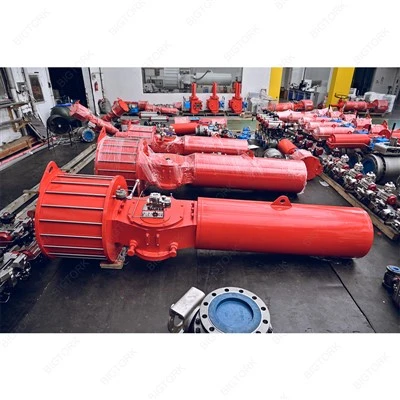
As a leading supplier of air pressure actuators, I have witnessed firsthand the critical role these components play in various industrial applications. One of the most common questions we encounter from our customers is about the typical operating temperatures of air pressure actuators. In this blog post, I will delve into this topic in detail, exploring the factors that influence operating temperatures, the ideal temperature ranges for different types of actuators, and the implications of operating outside these ranges.
Understanding the Basics of Air Pressure Actuators
Before we discuss operating temperatures, let's briefly review what air pressure actuators are and how they work. Air pressure actuators, also known as pneumatic actuators, are devices that convert compressed air energy into mechanical motion. They are widely used in industrial automation, valve control, and other applications where precise and reliable motion is required.
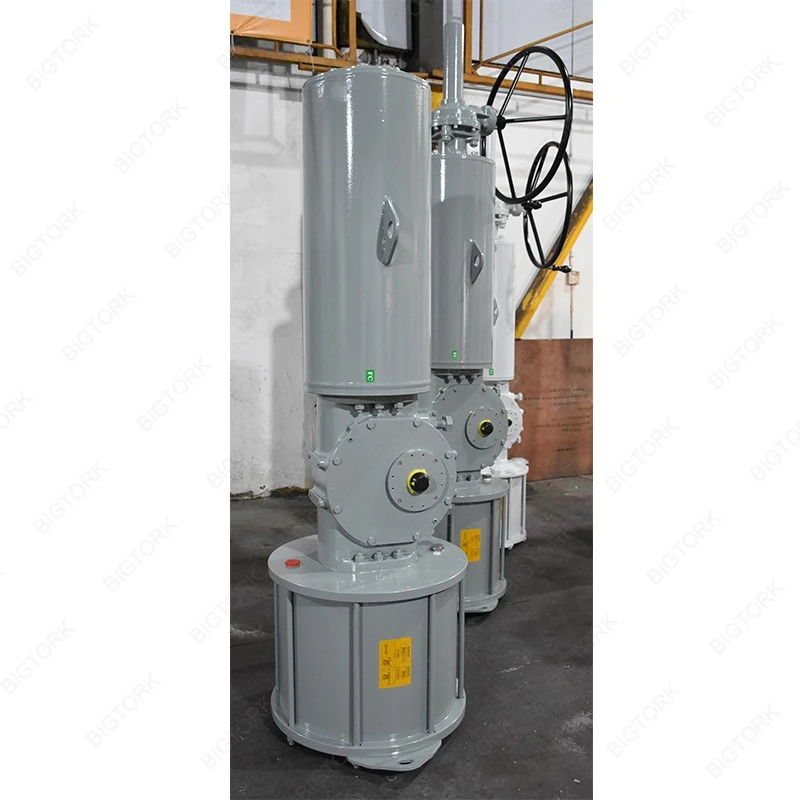

There are several types of air pressure actuators, including linear actuators, rotary actuators, and diaphragm actuators. Each type has its own unique design and operating characteristics, but they all operate based on the principle of using compressed air to generate force and motion.
Factors Influencing Operating Temperatures
The operating temperature of an air pressure actuator is influenced by several factors, including the type of actuator, the application environment, and the operating conditions. Here are some of the key factors to consider:
- Type of Actuator: Different types of air pressure actuators have different temperature tolerances. For example, BG Series Scotch Yoke Actuator are designed for high-torque applications and may have a wider temperature range compared to smaller, more delicate actuators.
- Application Environment: The environment in which the actuator is used can have a significant impact on its operating temperature. For example, actuators used in outdoor applications may be exposed to extreme temperatures, while those used in indoor industrial settings may be subject to heat generated by nearby machinery.
- Operating Conditions: The frequency and duration of operation, as well as the load on the actuator, can also affect its temperature. Actuators that operate continuously or under heavy loads may generate more heat and require additional cooling.
Ideal Temperature Ranges for Different Types of Actuators
The ideal operating temperature range for an air pressure actuator depends on its design and construction. Generally, most air pressure actuators are designed to operate within a temperature range of -20°C to 80°C (-4°F to 176°F). However, some specialized actuators may have a wider or narrower temperature range.
Here are some examples of the ideal temperature ranges for different types of air pressure actuators:
- Heavy Duty Rotary Actuator: These actuators are designed for high-torque applications and can typically operate within a temperature range of -20°C to 100°C (-4°F to 212°F).
- Spring Return Actuator: Spring return actuators are commonly used in valve control applications and usually have an operating temperature range of -20°C to 80°C (-4°F to 176°F).
- Air Torque Actuator: Air torque actuators are known for their high efficiency and accuracy. They can generally operate within a temperature range of -10°C to 70°C (14°F to 158°F).
- Air Actuator: Air actuators are versatile devices that can be used in a wide range of applications. Their operating temperature range typically falls between -20°C to 80°C (-4°F to 176°F).
Implications of Operating Outside the Ideal Temperature Range
Operating an air pressure actuator outside its ideal temperature range can have several negative consequences, including:
- Reduced Performance: Extreme temperatures can cause the actuator's materials to expand or contract, which can affect its performance and accuracy. This can lead to reduced torque output, slower response times, and increased wear and tear on the actuator.
- Increased Failure Rate: Operating an actuator at temperatures outside its recommended range can also increase the risk of failure. High temperatures can cause the lubricants to break down, leading to increased friction and wear on the moving parts. Low temperatures can make the materials brittle and more prone to cracking.
- Shortened Lifespan: Continuous operation outside the ideal temperature range can significantly shorten the lifespan of an air pressure actuator. This can result in increased maintenance costs and downtime, which can have a negative impact on productivity and profitability.
Tips for Maintaining Optimal Operating Temperatures
To ensure the long-term performance and reliability of your air pressure actuators, it is important to maintain them within their ideal temperature range. Here are some tips to help you achieve this:
- Choose the Right Actuator: When selecting an air pressure actuator for your application, make sure to choose one that is suitable for the expected temperature range. Consider factors such as the application environment, operating conditions, and temperature tolerances of the actuator.
- Provide Adequate Ventilation: Proper ventilation is essential for keeping the actuator cool. Make sure that the actuator is installed in a well-ventilated area and that there is sufficient airflow around it. If necessary, consider installing fans or other cooling devices to help dissipate heat.
- Monitor Operating Temperatures: Regularly monitor the operating temperatures of your air pressure actuators to ensure that they are within the recommended range. Use temperature sensors or other monitoring devices to track the temperature and take appropriate action if it exceeds the limits.
- Perform Regular Maintenance: Proper maintenance is crucial for keeping your air pressure actuators in good working condition. Follow the manufacturer's recommended maintenance schedule, including lubrication, inspection, and replacement of worn parts. This will help to prevent overheating and other issues that can affect the performance of the actuator.
Conclusion
In conclusion, understanding the typical operating temperatures of air pressure actuators is essential for ensuring their optimal performance and reliability. By considering the factors that influence operating temperatures, choosing the right actuator for your application, and taking steps to maintain optimal operating conditions, you can extend the lifespan of your actuators and minimize the risk of failure.
If you are in the market for high-quality air pressure actuators, we invite you to explore our range of products, including the BG Series Scotch Yoke Actuator, Heavy Duty Rotary Actuator, Spring Return Actuator, Air Torque Actuator, and Air Actuator. Our team of experts is available to help you select the right actuator for your specific needs and provide you with the support and guidance you need to ensure its successful installation and operation. Contact us today to discuss your requirements and learn more about how we can help you achieve your goals.
References
- Pneumatic Actuator Handbook, Manufacturer XYZ
- Industrial Automation: Principles and Applications, Author ABC
- Temperature Effects on Pneumatic Components, Journal of Engineering Sciences