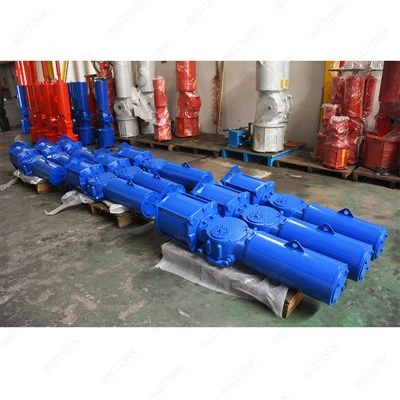
Installing sensors on an Actuator Scotch Yoke can significantly enhance its performance, monitoring capabilities, and overall efficiency. As a reputable supplier of Scotch Yoke Valve Actuator, we understand the importance of this process and are committed to guiding you through the steps to ensure a successful installation.


Understanding the Actuator Scotch Yoke
Before delving into the installation process, it's crucial to understand what an Actuator Scotch Yoke is. The Scotch Yoke mechanism is a simple yet effective design used in actuators to convert linear motion into rotary motion. This type of actuator is commonly used in various industrial applications, including oil and gas, chemical processing, and power generation. It offers high torque output, precise control, and reliable operation, making it a popular choice for many critical processes.
Our company specializes in providing a wide range of Scotch Yoke actuators, such as Double Acting Actuator, Heavy Duty Actuator, Heavy Duty Rotary Actuator, and Air Torque Actuator. These actuators are designed to meet the diverse needs of our customers, offering different torque ratings, sizes, and operating environments.
Why Install Sensors on an Actuator Scotch Yoke?
Sensors play a vital role in modern industrial automation systems. By installing sensors on an Actuator Scotch Yoke, you can achieve the following benefits:
- Real-time monitoring: Sensors can provide real-time data on the actuator's position, pressure, temperature, and other parameters. This information allows you to monitor the actuator's performance and detect any potential issues early, reducing downtime and maintenance costs.
- Improved control: With sensor feedback, you can implement more precise control strategies for the actuator. This can lead to better process control, improved product quality, and increased energy efficiency.
- Predictive maintenance: By analyzing the sensor data, you can identify patterns and trends that indicate potential failures. This allows you to schedule maintenance activities proactively, preventing unexpected breakdowns and minimizing production losses.
- Enhanced safety: Sensors can also be used to monitor safety-related parameters, such as overpressure or over-temperature conditions. In case of an emergency, the sensors can trigger alarms or shut down the actuator to prevent accidents.
Steps to Install Sensors on an Actuator Scotch Yoke
The following steps outline the general process of installing sensors on an Actuator Scotch Yoke. However, it's important to note that the specific installation procedure may vary depending on the type of sensor, actuator model, and application requirements. Always refer to the manufacturer's instructions and safety guidelines when performing the installation.
Step 1: Select the Right Sensors
The first step is to choose the appropriate sensors for your application. Consider the following factors when selecting sensors:
- Type of sensor: There are various types of sensors available, including position sensors, pressure sensors, temperature sensors, and vibration sensors. Choose the sensors that are most relevant to your monitoring and control needs.
- Accuracy and precision: Ensure that the sensors have the required accuracy and precision for your application. Higher accuracy sensors may be more expensive, but they can provide more reliable data.
- Compatibility: Make sure that the sensors are compatible with the actuator and the control system. Check the sensor's electrical specifications, mounting requirements, and communication protocols.
- Environmental conditions: Consider the environmental conditions in which the actuator operates, such as temperature, humidity, and dust. Choose sensors that are suitable for these conditions.
Step 2: Prepare the Actuator
Before installing the sensors, you need to prepare the actuator. This may involve the following tasks:
- Clean the actuator: Remove any dirt, debris, or oil from the actuator's surface. This will ensure a clean and secure mounting surface for the sensors.
- Locate the mounting points: Identify the appropriate mounting points on the actuator for the sensors. These points should be stable, accessible, and provide a clear line of sight or contact with the parameter being measured.
- Drill and tap holes (if necessary): If the actuator does not have pre-drilled holes for the sensors, you may need to drill and tap holes at the mounting points. Use the appropriate drill bits and taps, and follow the manufacturer's instructions for the correct hole size and depth.
Step 3: Install the Sensors
Once the actuator is prepared, you can proceed with installing the sensors. Follow these steps:
- Mount the sensors: Carefully mount the sensors at the designated mounting points using the appropriate fasteners, such as screws or bolts. Make sure the sensors are firmly attached and aligned correctly.
- Connect the electrical wiring: Connect the sensor's electrical wiring to the actuator's control system or data acquisition device. Follow the wiring diagram provided by the sensor manufacturer, and ensure that the connections are secure and properly insulated.
- Calibrate the sensors: After the sensors are installed and connected, you need to calibrate them to ensure accurate measurements. Follow the calibration procedure provided by the sensor manufacturer, which may involve adjusting the sensor's output signal or setting the zero and span points.
Step 4: Test the Sensors
Once the sensors are installed and calibrated, it's important to test them to ensure they are functioning properly. This can be done by performing the following tests:
- Functional test: Check if the sensors are providing the expected output signals. Compare the sensor readings with the known values or reference measurements to verify their accuracy.
- Response test: Apply a known input or stimulus to the actuator and observe the sensor's response. The sensor should respond quickly and accurately to the changes in the parameter being measured.
- System integration test: Test the sensors in conjunction with the actuator and the control system to ensure they are working together as expected. Check if the control system can receive and process the sensor data correctly, and if it can perform the desired control actions based on the sensor feedback.
Step 5: Monitor and Maintain the Sensors
After the sensors are installed and tested, you need to monitor and maintain them regularly to ensure their continued performance. This may involve the following tasks:
- Regular inspections: Inspect the sensors periodically for any signs of damage, wear, or corrosion. Check the sensor's mounting, wiring connections, and output signals to ensure they are in good condition.
- Cleaning and calibration: Clean the sensors as needed to remove any dirt or debris that may affect their performance. Calibrate the sensors at regular intervals to maintain their accuracy.
- Data analysis: Analyze the sensor data regularly to monitor the actuator's performance and detect any potential issues. Look for trends, patterns, or anomalies in the data that may indicate a problem.
Conclusion
Installing sensors on an Actuator Scotch Yoke is a valuable investment that can enhance the actuator's performance, monitoring capabilities, and overall efficiency. By following the steps outlined in this blog post, you can ensure a successful installation and maximize the benefits of using sensors in your industrial applications.
As a leading supplier of Scotch Yoke Valve Actuator and related products, we are committed to providing our customers with high-quality products and excellent customer service. If you have any questions about installing sensors on an Actuator Scotch Yoke or need assistance with selecting the right sensors for your application, please feel free to contact us. We look forward to discussing your needs and helping you find the best solutions for your business.
References
- Manufacturer's installation and maintenance manuals for Actuator Scotch Yoke and sensors.
- Industry standards and guidelines for sensor installation and calibration.