Hey there! If you're in the market for a pneumatic actuator like I am (since I'm a supplier), you know how crucial accuracy is. A precise pneumatic actuator can make all the difference in various industrial applications, from controlling valves to powering machinery. So, let's dig into some practical ways to boost the accuracy of these nifty devices.
1. High - Quality Components and Design
First off, the quality of components used in a pneumatic actuator plays a huge role in its accuracy. When we're making these actuators, we use top - notch materials for pistons, cylinders, and seals. For example, using high - grade aluminum for the cylinder body can reduce weight while maintaining strength. And when it comes to seals, we opt for materials that can withstand the pressure and temperature variations in the working environment.


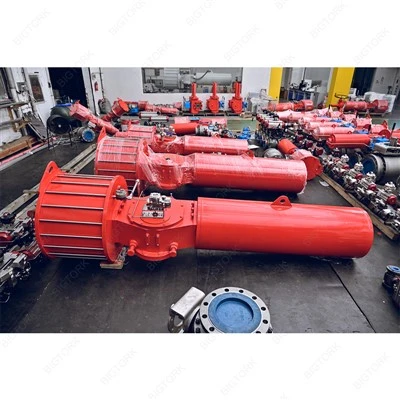
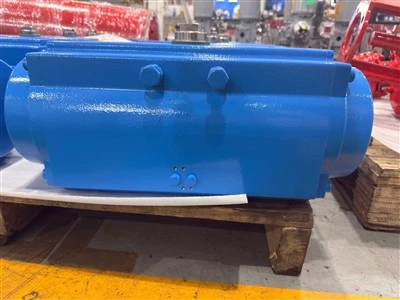
The design also matters a lot. A well - designed actuator will have a proper balance between the piston's movement and the force it generates. We've got different types of actuators, like the Angular Actuator, which is designed for specific angular movement requirements with great precision. Its internal mechanisms are engineered to minimize any play or backlash, ensuring that the movement is as accurate as possible.
2. Proper Sizing and Selection
Picking the right size of the pneumatic actuator is key. You wouldn't put a tiny actuator in a big - scale industrial valve control system, right? It simply won't have the power to do the job accurately. On the flip side, an oversized actuator can be wasteful and may not provide the fine - tuned control needed.
Before making a selection, we need to consider factors such as the load the actuator will be handling, the required speed of movement, and the range of motion. For heavy - duty applications, our Heavy Duty Rotary Actuator is a great choice. It's built to handle large loads with high precision, making it suitable for tasks like controlling large industrial valves.
3. Precision Air Supply
The quality and stability of the air supply are essential for accurate actuator operation. Pneumatic actuators rely on compressed air to function, so any fluctuations in air pressure can lead to inconsistent movement. We always recommend using a reliable air compressor with proper pressure regulation.
Installing pressure regulators and filters in the air supply line can help keep the air pressure constant and free from contaminants. For instance, a regulator can be set to maintain a specific pressure level, ensuring that the actuator receives a consistent amount of force. And filters prevent dirt, dust, and moisture from entering the actuator, which could otherwise cause wear and tear and affect accuracy.
4. Regular Maintenance
You can't expect an actuator to keep performing accurately without regular check - ups and maintenance. Over time, components can wear out, seals can leak, and internal parts can get dirty. By establishing a maintenance schedule, we can catch any potential issues early on.
During maintenance, we should inspect the actuator for signs of wear, clean the internal parts, and replace any worn - out seals or components. For example, if the seals in an Air Operated Actuator are starting to leak, it can cause a loss of pressure and affect the actuator's accuracy. Replacing these seals in a timely manner can prevent further problems.
5. Calibration and Tuning
Calibration is another important step in improving actuator accuracy. We need to make sure that the actuator moves to the correct position every time. During calibration, we can adjust the actuator's settings to match the specific requirements of the application.
For some actuators, we can use sensors and feedback systems to measure the actual position of the actuator and compare it with the desired position. If there's a difference, we can make fine - tuning adjustments until the accuracy is within the acceptable range. Our Industrial Valve Actuators often come with advanced calibration features to ensure precise valve control.
6. Environmental Considerations
The environment in which the pneumatic actuator operates can also impact its accuracy. Extreme temperatures, high humidity, and exposure to chemicals can all take a toll on the actuator's components.
In hot environments, the air inside the actuator can expand, affecting the pressure and movement. We may need to use heat - resistant materials or install cooling systems. In a humid environment, corrosion can be a problem, so using corrosion - resistant materials and proper sealing can help protect the actuator. And if the actuator is exposed to chemicals, we need to choose materials that are compatible with those chemicals.
7. Training and Operator Skills
Last but not least, the people operating the pneumatic actuators need to be well - trained. They should understand how the actuators work, how to perform basic maintenance tasks, and how to troubleshoot common issues.
A skilled operator can spot early signs of problems and take corrective action before the accuracy of the actuator is severely affected. We often provide training sessions for our customers to ensure that they get the most out of our products.
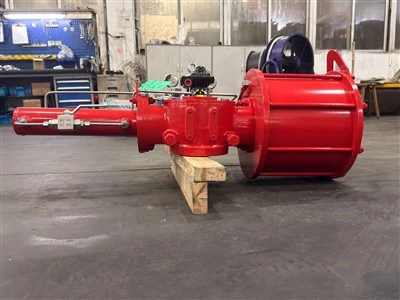
In summary, improving the accuracy of a pneumatic actuator involves a combination of factors, from using high - quality components and proper sizing to maintaining a stable air supply and regular calibration. By paying attention to these aspects, we can enhance the performance of our Large Bore Spring Return Actuator and other types of actuators we offer.
If you're looking for high - accuracy pneumatic actuators for your industrial applications, we'd love to have a chat with you. Whether you need help in selecting the right actuator or want to learn more about improving their performance, don't hesitate to reach out for a procurement discussion.
References
- Pneumatic Actuator Handbook: A Guide to Design and Application
- Industrial Automation: Principles and Practices
- Journal of Pneumatic Systems and Technologies