Is a double - acting actuator suitable for rotary motion?
In the world of industrial automation and machinery, the question of whether a double - acting actuator is suitable for rotary motion is a crucial one. As a double - acting actuator supplier, I have witnessed firsthand the diverse applications and performance of these devices in rotary motion scenarios.
Understanding Double - Acting Actuators
A double - acting actuator is a type of actuator that uses pressurized fluid (either hydraulic or pneumatic) to generate force in both directions of its operation. In contrast to single - acting actuators, which rely on a spring or other external force to return to their original position, double - acting actuators can actively move in both the forward and reverse strokes. This feature provides greater control and flexibility, making them a popular choice in many industrial applications.
Rotary Motion in Industrial Applications
Rotary motion is widely used in various industrial processes. For example, in the oil and gas industry, valves need to be opened and closed precisely to control the flow of fluids. Rotary actuators are used to rotate the valve stems, enabling accurate regulation of the flow. In manufacturing, robotic arms often require rotary motion to perform tasks such as picking, placing, and assembling components. Additionally, in power generation plants, rotary motion is essential for the operation of turbines and other equipment.
Suitability of Double - Acting Actuators for Rotary Motion
Advantages
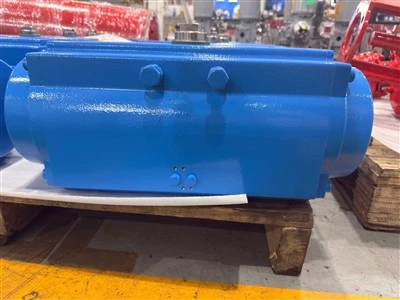
- Precise Control: Double - acting actuators offer precise control over the rotary motion. The ability to apply force in both directions allows for accurate positioning of the rotating component. This is particularly important in applications where a high degree of precision is required, such as in the aerospace industry for the control of flight surfaces. For instance, a Double - Acting P350Scotch Yoke Actuator can provide consistent and accurate torque to achieve the desired rotary angle.
- High Torque Output: They can generate high torque outputs, which are necessary for rotating heavy - duty components. In industries such as mining and construction, large valves and heavy machinery require significant torque to operate. Our Heavy Duty Rotary Actuator is designed to meet these high - torque requirements, ensuring reliable performance even under extreme conditions.
- Fast Response Time: Double - acting actuators can respond quickly to control signals. This fast response is crucial in applications where rapid changes in rotary motion are needed. For example, in some automated manufacturing processes, the ability to quickly start and stop the rotation of a component can improve the overall efficiency of the production line.
- Reliability: The design of double - acting actuators is relatively simple and robust, making them reliable in long - term use. When properly maintained, they can operate continuously for extended periods without significant wear and tear. This reliability is especially important in critical applications where equipment downtime can lead to significant losses.
Disadvantages
- Complexity of Control System: Double - acting actuators typically require a more complex control system compared to single - acting actuators. The control system needs to manage the supply and exhaust of pressurized fluid in both directions of the actuator's operation. This increased complexity can lead to higher costs and more difficult troubleshooting in case of failures.
- Energy Consumption: Since they require pressurized fluid to operate in both directions, double - acting actuators generally consume more energy than single - acting actuators. This can result in higher operating costs, especially in applications where the actuator is used frequently.
Specific Applications in Rotary Motion
Valve Actuation
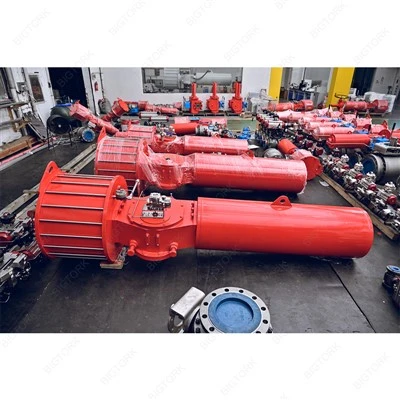
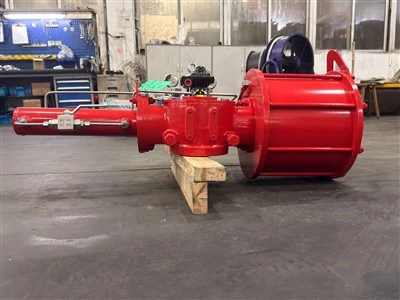
One of the most common applications of double - acting actuators in rotary motion is valve actuation. Scotch Yoke Valve Actuator is a type of double - acting actuator commonly used for this purpose. The scotch - yoke mechanism converts the linear motion of the piston into rotary motion. This design provides a high - torque output at the beginning and end of the stroke, which is ideal for opening and closing valves. In water treatment plants, for example, double - acting actuators are used to control the flow of water through various valves, ensuring proper water treatment processes.
Robotic Arms
In robotic applications, double - acting actuators are used to provide the necessary rotary motion for the joints of robotic arms. The precise control offered by these actuators allows robots to perform delicate tasks with high accuracy. For instance, in electronics manufacturing, robots equipped with double - acting actuators can pick and place small components on printed circuit boards with great precision.


Turbines
In power generation, double - acting actuators can be used to control the operation of turbines. By adjusting the angle of the turbine blades, the actuator can optimize the efficiency of the turbine. The high - torque output and fast response time of double - acting actuators make them suitable for this application, enabling quick adjustments in response to changes in power demand.
Considerations for Selecting a Double - Acting Actuator for Rotary Motion
- Torque Requirements: The first consideration is the torque required to perform the rotary motion. This depends on the size and weight of the rotating component, as well as the friction and resistance in the system. It is important to select an actuator with sufficient torque capacity to ensure reliable operation.
- Speed and Accuracy: The required speed and accuracy of the rotary motion also play a crucial role in actuator selection. If high - speed operation and high accuracy are needed, a double - acting actuator with a fast response time and precise control system should be chosen.
- Environment: The operating environment can affect the performance and lifespan of the actuator. Factors such as temperature, humidity, and the presence of corrosive substances should be taken into account. For example, in a chemical plant, an actuator with corrosion - resistant materials should be selected.
- Cost: The cost of the actuator, including the purchase price, installation cost, and operating cost, is an important consideration. While double - acting actuators may offer superior performance, they may also be more expensive than single - acting actuators. A cost - benefit analysis should be conducted to determine the most suitable option.
Conclusion
In conclusion, double - acting actuators are highly suitable for rotary motion in many industrial applications. Their advantages, such as precise control, high torque output, and fast response time, make them a popular choice for tasks that require accurate and reliable rotary motion. However, they also have some disadvantages, such as the complexity of the control system and higher energy consumption. When considering whether a double - acting actuator is suitable for a specific rotary motion application, it is essential to carefully evaluate the requirements of the application, including torque, speed, accuracy, environment, and cost.
If you are in need of double - acting actuators for your rotary motion applications, whether it is a Heavy Duty Rotary Actuator, Double - Acting P350Scotch Yoke Actuator, Scotch Yoke Valve Actuator, Air Torque Actuator or Air Pressure Actuator, feel free to contact us to discuss your specific needs and start a procurement negotiation. We are committed to providing high - quality products and excellent service to meet your industrial requirements.
References
- Principles of Pneumatic Actuation, Industrial Actuation Handbook.
- Hydraulic and Pneumatic Systems in Modern Manufacturing, Manufacturing Technology Journal.
- Valve Actuation Technology and Applications, Valve Engineering Magazine.