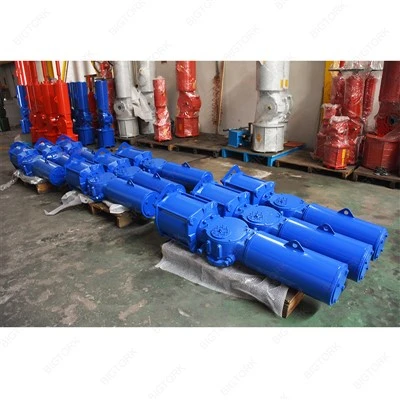
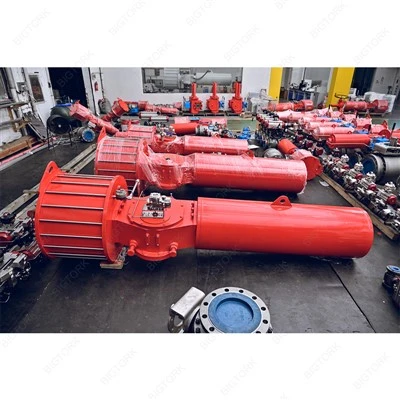
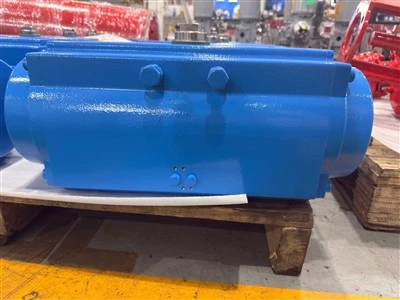
In the industrial realm, single acting actuators play a pivotal role in a diverse range of applications, from manufacturing processes to automation systems. As a leading supplier of Single Acting Actuator, I understand the significance of optimizing the efficiency of these devices. In this blog, I will share some valuable insights and strategies to enhance the efficiency of single acting actuators, ensuring that they deliver peak performance and reliability.
Understanding Single Acting Actuators
Before delving into efficiency improvement strategies, it is essential to have a clear understanding of single acting actuators. A single acting actuator is a mechanical device that converts energy into linear or rotary motion. It operates using a single power source, typically compressed air or hydraulic fluid, to move in one direction. A spring or other external force is then used to return the actuator to its original position.
Single acting actuators are commonly used in applications where simplicity, cost-effectiveness, and fail-safe operation are required. They are often found in valves, dampers, and other control systems, where they are used to open, close, or modulate the flow of fluids or gases.
Factors Affecting the Efficiency of Single Acting Actuators
Several factors can impact the efficiency of single acting actuators. Understanding these factors is crucial for identifying areas where improvements can be made. Some of the key factors include:
- Friction: Friction between the moving parts of the actuator can cause energy losses and reduce efficiency. This can be caused by factors such as poor lubrication, misalignment, or wear and tear.
- Leakage: Leakage of the power source, such as compressed air or hydraulic fluid, can result in energy losses and reduced performance. This can be caused by faulty seals, loose fittings, or damaged components.
- Inertia: The inertia of the moving parts of the actuator can affect its response time and efficiency. This can be particularly significant in applications where high-speed or rapid cycling is required.
- Load: The load on the actuator can impact its efficiency. If the load is too high, the actuator may require more energy to operate, resulting in reduced efficiency.
Strategies to Improve the Efficiency of Single Acting Actuators
Based on the factors affecting the efficiency of single acting actuators, several strategies can be implemented to enhance their performance. These strategies include:


- Proper Lubrication: Ensuring that the moving parts of the actuator are properly lubricated can significantly reduce friction and improve efficiency. Use a high-quality lubricant that is compatible with the materials used in the actuator and follow the manufacturer's recommendations for lubrication intervals.
- Seal Maintenance: Regularly inspect the seals of the actuator for signs of wear or damage. Replace any faulty seals promptly to prevent leakage and ensure efficient operation. Use high-quality seals that are designed to withstand the operating conditions of the actuator.
- Alignment and Installation: Proper alignment and installation of the actuator are essential for its efficient operation. Ensure that the actuator is mounted securely and that all connections are tight. Misalignment can cause increased friction and wear, leading to reduced efficiency.
- Load Optimization: Evaluate the load requirements of the application and select an actuator that is appropriately sized for the task. Using an actuator that is too small for the load can result in overloading and reduced efficiency, while using an actuator that is too large can be wasteful and costly.
- Energy Management: Implement energy management strategies to reduce the energy consumption of the actuator. This can include using energy-efficient components, optimizing the control system, and implementing load shedding techniques.
- Regular Maintenance: Establish a regular maintenance schedule for the actuator to ensure that it is operating at peak efficiency. This can include inspections, cleaning, lubrication, and replacement of worn or damaged components.
Advanced Technologies for Improving Efficiency
In addition to the strategies mentioned above, several advanced technologies can be used to improve the efficiency of single acting actuators. These technologies include:
- Scotch Yoke Type Actuator: Scotch Yoke Type Actuator is a type of actuator that uses a scotch yoke mechanism to convert linear motion into rotary motion. This design offers several advantages, including high torque output, efficient operation, and a compact design. Scotch yoke type actuators are commonly used in applications where high torque and rapid cycling are required.
- Heavy Duty Actuator: Heavy Duty Actuator are designed to withstand high loads and harsh operating conditions. These actuators are typically used in applications where reliability and durability are critical, such as in the oil and gas industry, mining, and heavy machinery. Heavy duty actuators often feature robust construction, high-quality materials, and advanced sealing technologies to ensure efficient and reliable operation.
- Spring Return Actuator: Spring Return Actuator are a type of single acting actuator that uses a spring to return the actuator to its original position. This design offers several advantages, including fail-safe operation, simplicity, and cost-effectiveness. Spring return actuators are commonly used in applications where a reliable and efficient fail-safe mechanism is required.
- Double Acting Actuator: Double Acting Actuator are a type of actuator that uses two power sources, typically compressed air or hydraulic fluid, to move in both directions. This design offers several advantages, including increased speed, higher force output, and more precise control. Double acting actuators are commonly used in applications where high performance and precise control are required.
Conclusion
In conclusion, improving the efficiency of single acting actuators is essential for ensuring optimal performance and reliability in industrial applications. By understanding the factors affecting efficiency and implementing the strategies and technologies discussed in this blog, you can significantly enhance the performance of your single acting actuators. As a supplier of single acting actuators, I am committed to providing high-quality products and solutions that meet the needs of our customers. If you are interested in learning more about our products or optimizing the efficiency of your single acting actuators, please contact us to discuss your requirements. Our team of experts will be happy to assist you in selecting the right actuator for your application and providing you with the support and guidance you need to ensure its efficient operation.
References
- "Actuator Technology Handbook," by John C. French
- "Industrial Automation: A Comprehensive Guide," by David A. Gelormino
- "Pneumatic Systems and Components," by Peter Neumann
- "Hydraulic Systems and Components," by John F. Caruthers