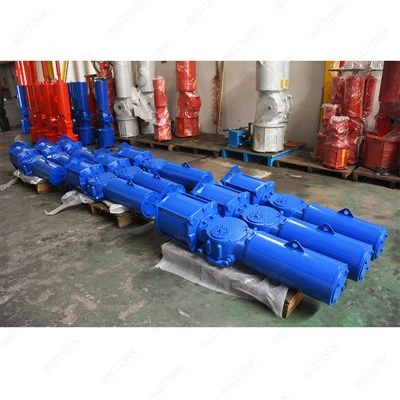
As a supplier of pneumatic valve actuators, I often get asked whether these actuators can be effectively used for on - off applications. In this blog post, I'll explore this question in detail, looking at the characteristics of pneumatic valve actuators, their suitability for on - off scenarios, and some real - world applications.
Understanding Pneumatic Valve Actuators
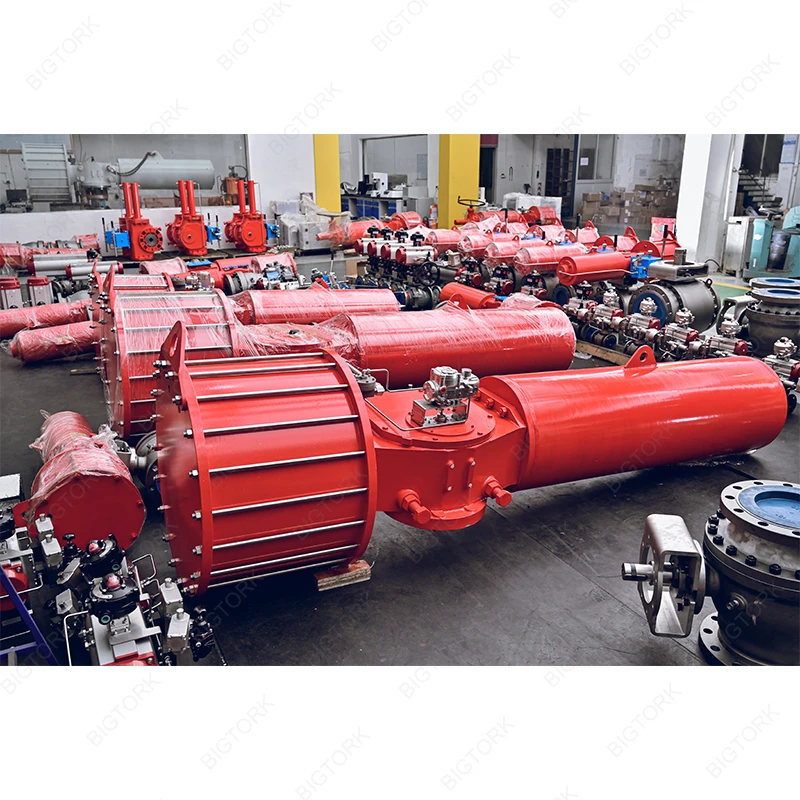
Pneumatic valve actuators are devices that use compressed air to operate valves. They are a popular choice in many industrial settings due to their simplicity, reliability, and cost - effectiveness. There are different types of pneumatic valve actuators, including Air Operated Actuator, Compressed Air Valve Actuator, and Air Piston Actuator.
Key Characteristics of Pneumatic Valve Actuators
Pneumatic valve actuators have several key characteristics that make them stand out. First, they are known for their rapid response times. Compressed air can quickly generate the force needed to open or close a valve, which is crucial in many on - off applications where immediate action is required.
Second, they have a relatively simple design. Unlike some other types of actuators, pneumatic actuators do not require complex electrical systems. This simplicity not only reduces the initial cost of purchase but also makes maintenance and troubleshooting easier.
Third, pneumatic actuators are generally robust and durable. They can withstand harsh industrial environments, including high temperatures, vibrations, and corrosive substances. This makes them suitable for a wide range of industrial applications, from chemical processing plants to power generation facilities.
Suitability for On - Off Applications
Advantages of Using Pneumatic Valve Actuators for On - Off Applications
One of the main advantages of using pneumatic valve actuators for on - off applications is their speed. As mentioned earlier, the rapid response times of pneumatic actuators allow for quick opening and closing of valves. This is especially important in applications where a sudden change in flow is necessary, such as in emergency shutdown systems.
Another advantage is the fail - safe operation. Pneumatic actuators can be designed to operate in a fail - safe mode, which means that in the event of a loss of air supply, the valve will automatically move to a pre - determined position (either open or closed). This is a critical safety feature in many industrial processes, where an uncontrolled flow of fluids can lead to serious accidents.
Cost - effectiveness is also a significant factor. Pneumatic actuators are generally less expensive than electric or hydraulic actuators. The cost of installation is also lower due to the simplicity of the system. Additionally, the cost of operating and maintaining pneumatic actuators is relatively low, making them an attractive option for on - off applications in various industries.
Potential Limitations
However, pneumatic valve actuators also have some potential limitations when it comes to on - off applications. One limitation is the need for a reliable compressed air supply. If the air supply is interrupted or if the air quality is poor, the performance of the actuator can be affected. Moisture, dirt, or oil in the compressed air can cause wear and tear on the actuator components, leading to reduced efficiency and potential breakdowns.
Another limitation is the limited control precision. While pneumatic actuators are excellent for simple on - off applications, they may not be the best choice for applications that require very precise control of the valve position. In some cases, additional control devices may be needed to achieve the desired level of precision.

Real - World Applications
Chemical Processing Plants
In chemical processing plants, pneumatic valve actuators are widely used for on - off applications. For example, they are used to control the flow of chemicals in pipelines. In the event of a chemical spill or a process upset, the pneumatic actuators can quickly close the valves, preventing the further spread of the chemicals. This helps to protect the environment and the safety of the workers. Industrial Valve Actuators play a crucial role in these settings, providing reliable on - off control for a variety of valves.
Food and Beverage Industry
The food and beverage industry also makes extensive use of pneumatic valve actuators for on - off applications. They are used to control the flow of liquids and gases in the production process. For example, in a brewery, pneumatic actuators can be used to open and close valves that control the flow of beer during the brewing process. The Pneumatic Butterfly Valve Actuator is a popular choice in this industry due to its compact design and fast operation.
Power Generation Facilities
In power generation facilities, pneumatic valve actuators are used for on - off applications in various systems. They are used to control the flow of steam, water, and other fluids in power plants. For example, in a nuclear power plant, pneumatic actuators can be used in the emergency shutdown systems to quickly close valves and stop the flow of coolant in case of an accident.
Conclusion
In conclusion, pneumatic valve actuators can indeed be used for on - off applications, and they offer several advantages such as rapid response times, fail - safe operation, and cost - effectiveness. However, they also have some limitations, such as the need for a reliable compressed air supply and limited control precision. Despite these limitations, pneumatic valve actuators are a popular choice in many industries for on - off applications due to their overall performance and reliability.
If you are considering using pneumatic valve actuators for your on - off applications, I encourage you to reach out to us. Our team of experts can help you select the right actuator for your specific needs and provide you with detailed technical support. We are committed to providing high - quality pneumatic valve actuators and excellent customer service. Contact us today to start a discussion about your requirements and explore how our products can meet your needs.
References
- "Industrial Valve Handbook" by Valve Manufacturers Association
- "Pneumatic Systems Design and Application" by various industry experts