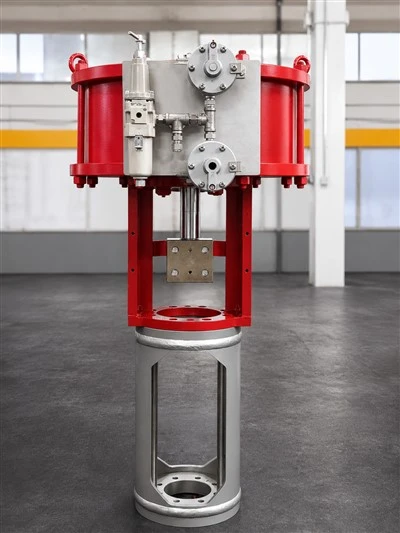
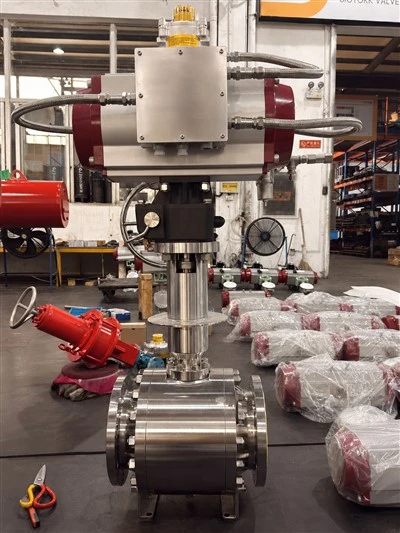
Hey there! As a supplier of Pneumatic Piston Actuators, I've seen firsthand the importance of ensuring these devices meet the required standards. In this blog, I'll share some tips on how to make sure your pneumatic piston actuator is up to par.
Understanding the Standards
First things first, you need to know what standards your pneumatic piston actuator should meet. There are various industry standards out there, and they cover different aspects like performance, safety, and durability. For instance, standards might dictate the maximum operating pressure, the range of motion, and the material quality.
When you're manufacturing or sourcing a Pneumatic Piston Actuator, make sure you're aware of the relevant standards in your target market. Different regions might have different requirements, so it's crucial to do your homework.
Design and Engineering
The design of the pneumatic piston actuator plays a huge role in meeting the standards. A well - designed actuator is more likely to perform as expected and last longer.
- Material Selection: Choose high - quality materials that can withstand the operating conditions. For example, if the actuator is going to be used in a corrosive environment, you'll need to use corrosion - resistant materials. Stainless steel is a popular choice for its durability and resistance to rust.
- Proper Sizing: The actuator should be sized correctly for the application. If it's too small, it won't be able to generate enough force. On the other hand, if it's too large, it'll be inefficient and might cost more. Consider factors like the load it needs to move, the speed of operation, and the available air pressure.
Manufacturing Process
The manufacturing process is where the rubber meets the road. A good manufacturing process ensures that each actuator is made to the same high standard.
- Quality Control: Implement a strict quality control system. This can include inspections at various stages of the manufacturing process. For example, check the dimensions of the piston, the seals, and the overall assembly. Make sure everything is within the specified tolerances.
- Testing: Test each actuator before it leaves the factory. This can involve pressure tests, motion tests, and leak tests. For instance, you can pressurize the actuator to the maximum operating pressure and check for any leaks. You can also test the range of motion to make sure it meets the requirements.
Installation and Maintenance
Even if the actuator is made to the highest standards, improper installation and maintenance can cause it to fail.
- Installation: Follow the manufacturer's installation instructions carefully. Make sure the actuator is installed in the correct position and orientation. Incorrect installation can lead to premature wear and tear, as well as reduced performance.
- Maintenance: Regular maintenance is essential to keep the actuator in good working condition. This can include lubricating the moving parts, checking the seals for wear, and replacing any damaged components. A well - maintained actuator is more likely to meet the standards over its lifespan.
Compatibility with Other Components
A pneumatic piston actuator doesn't work in isolation. It needs to be compatible with other components in the system, such as valves, sensors, and controllers.
- Valve Compatibility: The actuator should be able to work smoothly with the valve it's controlling. Make sure the valve and the actuator have the same interface and operating requirements.
- Sensor and Controller Compatibility: If the system uses sensors and controllers, the actuator should be able to communicate effectively with them. This can ensure proper operation and monitoring of the system.
Training and Support
Providing training and support to your customers is also important. Customers need to know how to install, operate, and maintain the actuator correctly.
- Training Programs: Offer training programs for your customers. This can be in the form of on - site training, online tutorials, or user manuals. Make sure the training covers all aspects of the actuator, from installation to troubleshooting.
- Technical Support: Provide technical support to your customers. They should be able to contact you if they have any questions or issues with the actuator. Having a responsive support team can help ensure that the actuator continues to meet the standards in the long run.
Different Types of Actuators
There are different types of pneumatic piston actuators, each with its own characteristics and applications.
- Single Acting Actuator: A single - acting actuator uses air pressure to move the piston in one direction and a spring to return it to the original position. These are often used in applications where a fail - safe position is required.
- Heavy Duty Rotary Actuator: Heavy - duty rotary actuators are designed to handle large loads and high torques. They're commonly used in industrial applications where a lot of force is needed.
- Air Actuator: Air actuators use compressed air to generate motion. They're simple and reliable, making them a popular choice in many applications.
- Air Pressure Actuator: Air pressure actuators work based on the principle of air pressure differentials. They can be used in a wide range of applications, from small - scale automation to large - scale industrial processes.
Conclusion
Ensuring that a pneumatic piston actuator meets the standards is a multi - faceted process. It involves understanding the standards, proper design and engineering, a high - quality manufacturing process, correct installation and maintenance, compatibility with other components, and providing training and support to customers.


If you're in the market for a high - quality Pneumatic Piston Actuator, we're here to help. We've got a wide range of actuators that meet the highest industry standards. Contact us to discuss your specific requirements and let's start a procurement conversation.
References
- Industry standards documentation for pneumatic actuators
- Manufacturer's manuals for pneumatic piston actuators
- Technical papers on the design and operation of pneumatic actuators