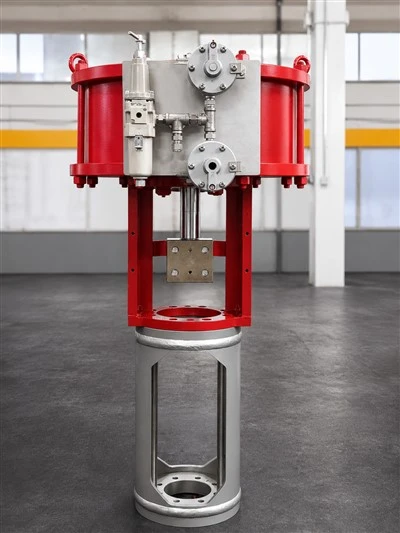
Hey there! As a supplier of Marine Linear Actuators, I often get asked about the tools required for their installation. Today, I'm gonna share all the essential tools you'll need to get the job done right.
First off, let's understand what a Marine Linear Actuator is. A Marine Linear Actuator is specifically designed for marine applications. It's built to withstand harsh marine environments, including saltwater, humidity, and strong vibrations. These actuators are used in a variety of marine equipment, such as hatches, doors, and steering systems.
Basic Tools for Installation
Wrenches and Sockets
One of the most fundamental tools you'll need is a set of wrenches and sockets. Different types of nuts and bolts are used to secure the actuator in place, so having a variety of sizes is crucial. A combination wrench set usually includes both open-end and box-end wrenches, which are handy for different situations. Socket wrenches, on the other hand, provide more torque and are great for getting into tight spaces. You might need standard or metric sizes, depending on the actuator and the mounting hardware. For example, if your Marine Linear Actuator comes with metric bolts, make sure you have the corresponding metric sockets.
Screwdrivers
Screwdrivers are another must-have. You'll likely encounter screws for attaching covers, wiring connectors, or auxiliary parts of the actuator. Having both flathead and Phillips-head screwdrivers in different sizes is important. Some actuators may also use Torx or Allen screws, so having a set of Torx drivers and Allen wrenches is a good idea. These specialized screwdrivers ensure that you can properly tighten or loosen the screws without damaging them.
Drill and Drill Bits
In some cases, you may need to drill holes for mounting the actuator. A power drill is a great tool for this task. Make sure you have a variety of drill bits in different sizes. The size of the drill bit you need will depend on the diameter of the bolts or screws you'll be using to mount the actuator. For example, if you're using 1/4-inch bolts, you'll need a drill bit that's slightly smaller than 1/4 inch to create a snug fit. When drilling, always wear safety goggles to protect your eyes from flying debris.
Measuring Tools
Accurate measurements are essential for a proper installation. A tape measure is a basic yet very useful tool. You'll use it to measure the distance between mounting points, the length of the actuator, and the space available for installation. A level is also important to ensure that the actuator is installed straight and level. This is especially crucial for applications where the actuator's movement needs to be precise, such as in a steering system.
Specialized Tools
Pneumatic Tools (for Pneumatic Actuators)
If you're installing a pneumatic Marine Linear Actuator, you'll need some specialized pneumatic tools. A pneumatic air compressor is the heart of the system. It provides the compressed air needed to operate the actuator. You'll also need air hoses to connect the compressor to the actuator. Make sure the hoses are the right size and are rated for the pressure of your system. Additionally, pneumatic fittings are used to connect the hoses to the actuator and the compressor. These fittings come in different types, such as quick-connect fittings, which make it easy to attach and detach the hoses.
Electrical Tools (for Electric Actuators)
For electric Marine Linear Actuators, electrical tools are essential. A wire stripper is used to remove the insulation from the electrical wires. This allows you to make proper connections between the actuator and the power source or control system. A multimeter is another important tool. It can be used to measure voltage, current, and resistance. This helps you ensure that the electrical connections are correct and that the actuator is receiving the right amount of power. You may also need electrical tape to insulate the connections and prevent short circuits.
Safety Tools
Gloves
Wearing gloves is important for protecting your hands during the installation process. They can prevent cuts, abrasions, and chemical burns. For example, if you're working with sharp edges or handling chemicals during the installation, gloves provide a layer of protection. There are different types of gloves available, such as work gloves for general handling and chemical-resistant gloves for more hazardous tasks.
Safety Glasses
As mentioned earlier, safety glasses are crucial when drilling or working with tools that may produce flying debris. They protect your eyes from potential injuries. Make sure the safety glasses fit properly and provide adequate coverage.


Ear Protection
If you're using power tools or pneumatic equipment, ear protection is necessary. Prolonged exposure to loud noise can cause hearing damage. Earplugs or earmuffs are both effective ways to protect your ears.
Additional Tools and Considerations
Lubricants
Using lubricants can make the installation process smoother and also help extend the lifespan of the actuator. For example, applying a small amount of lubricant to the moving parts of the actuator can reduce friction and wear. You can use a silicone-based lubricant for most applications. Just make sure to follow the manufacturer's recommendations regarding the type and amount of lubricant to use.
Mounting Hardware
In addition to the tools, you'll need the right mounting hardware. This includes bolts, nuts, washers, and brackets. Make sure the hardware is made of corrosion-resistant materials, such as stainless steel, to withstand the marine environment. The size and strength of the hardware should be appropriate for the weight and load capacity of the actuator.
Conclusion
Installing a Marine Linear Actuator requires a combination of basic, specialized, and safety tools. By having the right tools on hand and following the manufacturer's installation instructions, you can ensure a successful installation. If you have any questions or are looking to purchase a Marine Linear Actuator, Double-acting Linear Actuator, Ip67 Linear Actuator, ZSS300 Pneumatic Linear Actuator, or Linear Valve Actuator, feel free to reach out for a detailed discussion.
Let's talk and find the best solution for your marine needs!
References
- General knowledge in the field of marine actuator installation and operation.
- Product manuals of various Marine Linear Actuators.