In the vast machinery and automation domain, air pressure actuators play a pivotal role. As an established air pressure actuator supplier, I've witnessed firsthand the diverse requirements and applications of these remarkable devices. One of the most common questions I encounter is: "What is the minimum air pressure required for an air pressure actuator to operate?" In this blog post, I'll delve into this query, exploring the factors that influence this minimum threshold and offering insights based on my years of experience in the industry.
Understanding Air Pressure Actuators
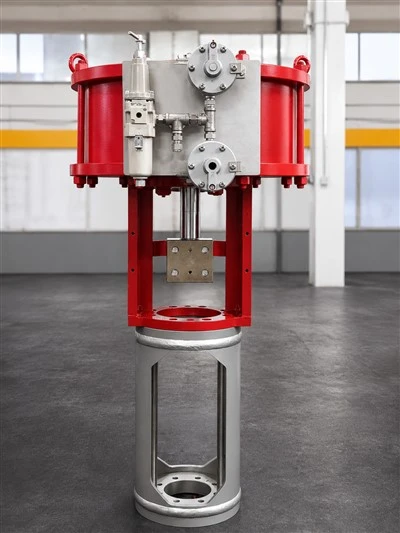
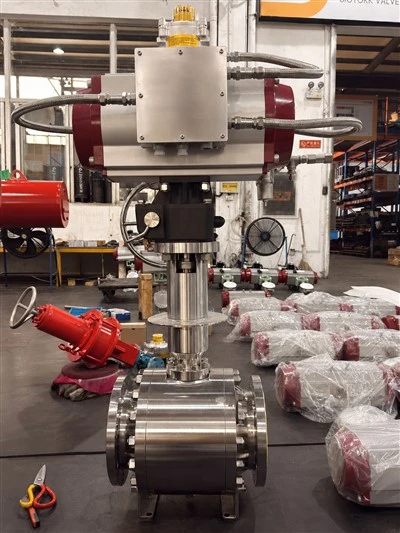
Before we discuss the minimum operating air pressure, it's essential to understand what air pressure actuators are and how they function. An Air Pressure Actuator is a device that converts energy from compressed air into mechanical motion. Depending on the design, these actuators can perform linear or rotary movements, making them suitable for a wide range of industrial applications, from valve control to automated machinery.
Among the various types of air pressure actuators, the Scotch Yoke Valve Actuator is a popular choice. It uses a scotch yoke mechanism to convert the linear motion of a piston into rotational motion, providing high torque output with precise control. Other common types include Single Acting Actuator, which uses air pressure to move in one direction and a spring to return to the original position, and Double Acting Actuator, which uses air pressure for both the extension and retraction strokes.
Factors Influencing the Minimum Operating Air Pressure
Several factors determine the minimum air pressure required for an air pressure actuator to operate effectively. Let's take a closer look at these factors:
Actuator Design and Type
The design and type of the actuator significantly influence the minimum operating pressure. For instance, single-acting actuators often require less air pressure to operate compared to double-acting actuators. This is because single-acting actuators rely on a spring to return to their original position, reducing the overall force required from the compressed air.


On the other hand, double-acting actuators need higher air pressure to generate the necessary force for both the extension and retraction strokes. The scotch yoke valve actuator, known for its high torque output, also typically requires a relatively higher minimum air pressure to overcome the resistance of the mechanical components and perform its rotational motion.
Load and Application
The load that the actuator needs to move and the specific application also play a crucial role in determining the minimum operating pressure. Applications with heavier loads or higher resistance require more force from the actuator, which in turn necessitates a higher air pressure.
For example, in a valve control application where the valve has a large flow capacity or high differential pressure, the actuator must generate sufficient force to open and close the valve smoothly. In such cases, a higher minimum air pressure is needed to ensure reliable operation. Conversely, in applications with lighter loads, such as small-scale automation tasks, the actuator may operate effectively at a lower air pressure.
Seal Design and Friction
The seal design of the actuator and the friction within its components can also affect the minimum operating pressure. High-quality seals are essential for preventing air leakage and maintaining the required air pressure within the actuator. However, seals can also introduce friction, which increases the force required for the actuator to move.
Actuators with well-designed seals that minimize friction will generally require less air pressure to operate. Additionally, regular maintenance and lubrication of the actuator's components can help reduce friction and ensure optimal performance at lower air pressures.
Efficiency of the Compressed Air System
The efficiency of the compressed air system supplying the actuator is another important factor. A poorly designed or maintained compressed air system can result in pressure drops, leaks, and other inefficiencies, which can increase the minimum air pressure required for the actuator to operate.
To ensure that the actuator receives the necessary air pressure, it's crucial to have a properly sized and maintained compressed air system. This includes using appropriate piping, fittings, and filters, as well as regularly checking for leaks and maintaining the compressor.
Determining the Minimum Operating Air Pressure
Given the numerous factors influencing the minimum operating air pressure, it's challenging to provide a one-size-fits-all answer. However, most air pressure actuators typically require a minimum air pressure ranging from 2 to 5 bar (29 to 72.5 psi).
For single-acting actuators with light loads, the minimum operating pressure may be as low as 2 bar. In contrast, double-acting actuators and scotch yoke valve actuators used in high-load applications may require a minimum air pressure of 4 to 5 bar or more.
It's important to note that these are general guidelines, and the actual minimum operating pressure for a specific actuator should be determined based on the manufacturer's specifications and the requirements of the application. When selecting an actuator, it's advisable to consult with the manufacturer or a technical expert to ensure that the actuator is properly sized and rated for the intended application.
Importance of Operating at the Right Air Pressure
Operating an air pressure actuator at the correct minimum air pressure is crucial for several reasons. Firstly, it ensures the reliable and consistent performance of the actuator. Insufficient air pressure can result in sluggish or incomplete movement, compromising the efficiency and accuracy of the application.
Secondly, operating at the right air pressure helps to extend the lifespan of the actuator. Excessive air pressure can put additional stress on the actuator's components, leading to premature wear and tear. On the other hand, operating at a lower-than-recommended air pressure can cause the actuator to overheat or stall, also reducing its lifespan.
Finally, maintaining the correct air pressure is essential for safety. In some applications, failure of the actuator due to improper air pressure can result in equipment damage, production downtime, or even endanger the safety of personnel.
Conclusion
As an air pressure actuator supplier, I understand the importance of providing accurate information and guidance to our customers. Determining the minimum air pressure required for an air pressure actuator to operate is a complex process that depends on several factors, including the actuator design, load, application, seal design, and the efficiency of the compressed air system.
By understanding these factors and working closely with our customers, we can help them select the right actuator for their application and ensure that it operates at the optimal air pressure. If you're in the process of selecting an air pressure actuator or have any questions about the minimum operating air pressure, I encourage you to contact us. Our team of experts is ready to assist you in making the right choice and providing you with the support you need to ensure the success of your project.
References
- Pneumatic Systems Handbook, various authors
- Industrial Automation: Principles and Applications, by David A. Bell
- Actuator Technology and Applications, by John R. Wilson