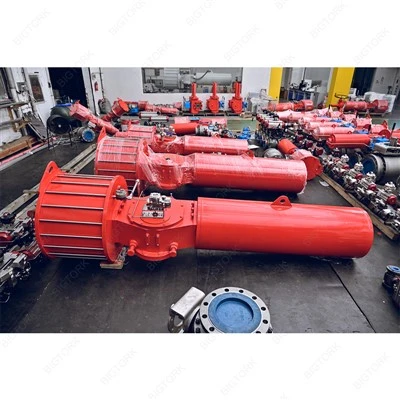
Hey there! As a supplier of linear actuators, I've seen firsthand how crucial the impact resistance of these devices can be. Whether it's in industrial machinery, robotics, or even in marine applications, a linear actuator that can withstand impacts is a game-changer. So, in this blog, I'm gonna share some tips on how to enhance the impact resistance of a linear actuator.
Understanding the Basics of Linear Actuators
Before we dive into the ways to boost impact resistance, let's quickly go over what linear actuators are. Linear actuators are devices that convert rotational motion into linear motion. They're used in a wide range of applications, from opening and closing doors to controlling the movement of robotic arms.
We offer different types of linear actuators, like the Double-acting Linear Actuator, Linear Valve Actuator, Marine Linear Actuator, Ip67 Linear Actuator, and Side-Ported Single-Acting Linear Pneumatic Actuator. Each type has its own unique features and is designed for specific applications.
Material Selection
One of the first things you can do to enhance the impact resistance of a linear actuator is to choose the right materials. The materials used in the construction of the actuator play a crucial role in determining its ability to withstand impacts.
- Strong Metals: Metals like steel and aluminum are commonly used in linear actuators because they're strong and durable. Steel, in particular, is known for its high strength and impact resistance. However, it's also heavier than aluminum, so you need to consider the weight requirements of your application. Aluminum, on the other hand, is lightweight and corrosion-resistant, making it a great choice for applications where weight is a concern.
- Reinforced Plastics: In some cases, reinforced plastics can be used to enhance the impact resistance of a linear actuator. These plastics are often filled with fibers like carbon or glass, which increase their strength and stiffness. Reinforced plastics are also lightweight and can be molded into complex shapes, making them a versatile option for linear actuator design.
Design Considerations
The design of the linear actuator also has a big impact on its impact resistance. Here are some design considerations that can help improve the actuator's ability to withstand impacts:
- Shock Absorbing Features: Incorporating shock absorbing features into the design of the linear actuator can help reduce the force of impacts. For example, you can use rubber or silicone pads at the ends of the actuator to absorb the shock when it reaches the end of its stroke. You can also use springs or dampers to cushion the movement of the actuator and reduce the impact force.
- Robust Housing: A robust housing can protect the internal components of the linear actuator from impacts. The housing should be made of a strong material and should be designed to withstand the forces that the actuator will be subjected to. It should also have a good seal to prevent dust and moisture from entering the actuator, which can damage the internal components.
- Proper Mounting: Proper mounting of the linear actuator is essential for its impact resistance. The actuator should be mounted securely to a stable surface to prevent it from moving or vibrating during operation. You should also use the right mounting hardware and follow the manufacturer's instructions for mounting the actuator.
Maintenance and Lubrication
Regular maintenance and lubrication are important for keeping the linear actuator in good working condition and enhancing its impact resistance. Here's what you need to do:
- Inspection: Regularly inspect the linear actuator for any signs of wear or damage. Check the housing, the internal components, and the mounting hardware for any cracks, dents, or loose parts. If you notice any problems, address them immediately to prevent further damage.
- Lubrication: Lubricate the moving parts of the linear actuator regularly to reduce friction and wear. Use a high-quality lubricant that is suitable for the type of actuator and the operating conditions. Follow the manufacturer's recommendations for lubrication intervals and the amount of lubricant to use.
- Cleaning: Keep the linear actuator clean to prevent the buildup of dust and debris, which can cause damage to the internal components. Use a clean, dry cloth to wipe the actuator and remove any dirt or grime. If necessary, you can use a mild detergent and water to clean the actuator, but make sure to dry it thoroughly before using it again.
Testing and Validation
Once you've made the necessary changes to enhance the impact resistance of the linear actuator, it's important to test and validate its performance. Here's how you can do it:


- Impact Testing: Conduct impact testing on the linear actuator to simulate the real-world conditions that it will be subjected to. You can use a drop test or a pendulum test to measure the actuator's ability to withstand impacts. Make sure to record the results of the testing and compare them to the requirements of your application.
- Performance Monitoring: Monitor the performance of the linear actuator over time to ensure that it continues to meet the requirements of your application. Check the actuator's speed, force, and accuracy regularly and make any necessary adjustments. If you notice any changes in the actuator's performance, investigate the cause and take appropriate action.
Conclusion
Enhancing the impact resistance of a linear actuator is essential for ensuring its reliability and performance in a wide range of applications. By choosing the right materials, considering the design, performing regular maintenance and lubrication, and testing and validating the actuator's performance, you can significantly improve its ability to withstand impacts.
If you're in the market for high-quality linear actuators with enhanced impact resistance, we're here to help. We offer a wide range of linear actuators that are designed to meet the needs of different applications. Whether you need a Double-acting Linear Actuator, Linear Valve Actuator, Marine Linear Actuator, Ip67 Linear Actuator, or Side-Ported Single-Acting Linear Pneumatic Actuator, we've got you covered. Contact us to discuss your requirements and start the procurement process.
References
- "Linear Actuators: Design, Selection, and Application" by Donald C. Erdman and Gerard L. Schneider
- "Mechanical Design of Machine Elements and Machines: A Failure Prevention Perspective" by Robert C. Juvinall and Kurt M. Marshek