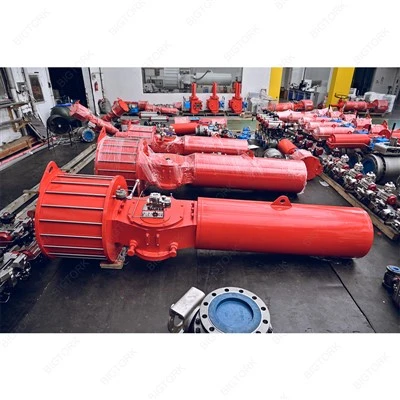
In the realm of industrial automation and mechanical engineering, linear actuators play a pivotal role in converting various forms of energy into linear motion. As a leading supplier of linear actuators, we are frequently asked about the response time of these critical devices. In this blog, we will delve into what response time means for linear actuators, the factors influencing it, and why it matters in different applications.
Understanding Response Time
Response time refers to the duration it takes for a linear actuator to initiate and complete a specified movement in response to a control signal. In simpler terms, it is the time elapsed from when a command is sent to the actuator until the actuator reaches the desired position. This is a crucial performance metric, as it directly affects the efficiency and precision of systems that rely on linear actuators.
Factors Affecting Response Time
Several factors can significantly impact the response time of a linear actuator. Understanding these factors can help engineers and users select the most suitable actuator for their specific needs.
Actuator Type
There are different types of linear actuators, including electric, hydraulic, and pneumatic. Each type has its own inherent response characteristics.

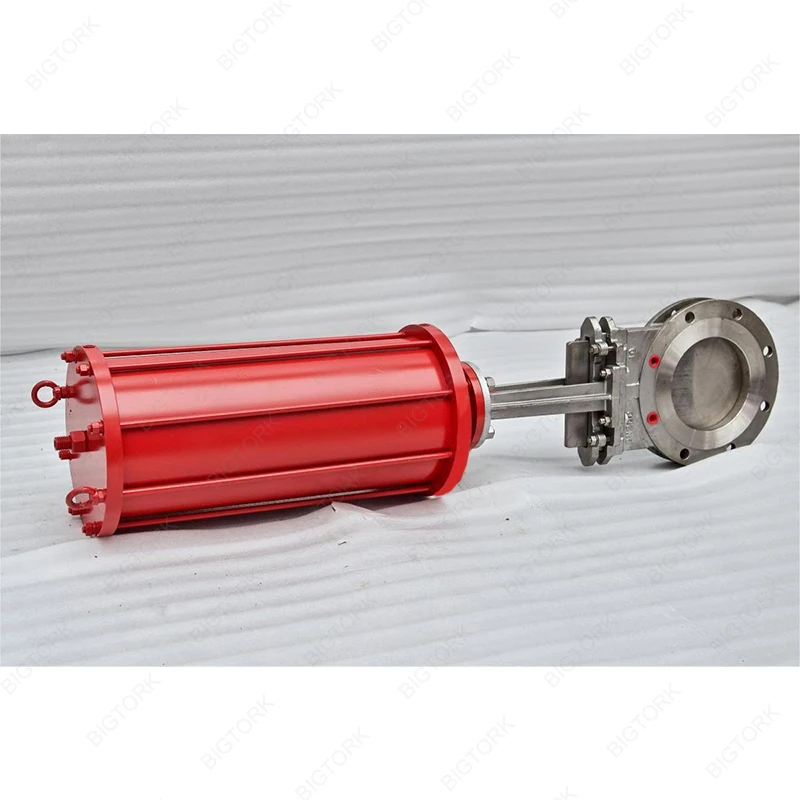
- Electric Linear Actuators: These actuators typically offer fast response times, as they can be controlled precisely with electrical signals. The response time is often determined by the motor's speed and the control electronics. For example, high - torque electric motors may take a bit longer to reach full speed, while lower - torque motors can accelerate more quickly.
- Hydraulic Linear Actuators: Hydraulic actuators use fluid pressure to generate motion. They are known for their high force capabilities but generally have slower response times compared to electric actuators. This is because the fluid needs time to flow through the system, and the system's inertia, including the fluid and the moving parts, can delay the response.
- Pneumatic Linear Actuators: Pneumatic actuators use compressed air to operate. Their response times are usually faster than hydraulic actuators but can vary depending on the air supply pressure, the size of the actuator, and the length of the air tubing.
Load and Inertia
The load that the actuator needs to move and the inertia of the system have a direct impact on response time. A heavier load or a system with high inertia requires more force to accelerate, which can slow down the actuator's response. For instance, if an actuator is used to move a large and heavy platform, it will take longer to start and stop the movement compared to a lighter load.
Control System
The control system used to operate the actuator is also a critical factor. A high - quality control system with advanced algorithms can send precise and timely signals to the actuator, reducing the response time. On the other hand, a poorly designed or outdated control system may introduce delays or inaccuracies in the signal transmission, leading to longer response times.
Mechanical Design
The mechanical design of the actuator itself, such as the gear ratio, lead screw pitch, and friction in the moving parts, can affect the response time. For example, a smaller lead screw pitch can provide higher precision but may also result in a slower linear speed and a longer response time.
Importance of Response Time in Different Applications
The response time of a linear actuator is of utmost importance in various applications, and different applications have different requirements for response time.
Manufacturing and Automation
In manufacturing plants, linear actuators are used in robotic arms, conveyor systems, and assembly lines. Fast response times are essential to ensure high - speed production and accurate positioning. For example, in a pick - and - place robotic arm, a quick response time allows the arm to move rapidly between different positions, increasing the overall productivity of the assembly line. Our Ip67 Linear Actuator with its reliable and fast - acting performance is well - suited for such industrial applications.
Medical Devices
In medical equipment such as surgical robots and diagnostic devices, precise and rapid response times are crucial for patient safety and treatment effectiveness. A slow response time in a surgical robot could lead to inaccurate movements during a procedure, putting the patient at risk. Our High Thrust Linear Actuator can provide the necessary power and quick response for these demanding medical applications.
Aerospace and Defense
Aerospace and defense applications often require linear actuators with extremely fast response times. For example, in aircraft flight control systems, the actuators need to respond immediately to pilot commands to ensure the safety and stability of the aircraft. Our Side - Ported Single - Acting Linear Pneumatic Actuator offers high - speed and reliable performance for these critical applications.
Automotive Industry
In the automotive industry, linear actuators are used in various systems such as throttle control, brake actuation, and adjustable seats. A fast response time can enhance the vehicle's performance, safety, and comfort. For instance, quick - acting actuators in the brake system can reduce the braking distance, improving the overall safety of the vehicle. Our FC Linear Pneumatic Actuator can meet the high - speed and high - precision requirements of automotive applications.
Valve Control Systems
Valve control is another area where response time matters. In industrial processes such as chemical plants and power generation, linear actuators are used to control the opening and closing of valves. A rapid response time ensures accurate flow control and system stability. Our Linear Valve Actuator provides quick and reliable valve control, making it an ideal choice for these applications.
Measuring and Optimizing Response Time
Measuring the response time of a linear actuator typically involves using sensors and data acquisition systems. Encoders or position sensors can be used to accurately measure the position of the actuator over time, while the control signal can be recorded simultaneously. By analyzing the time difference between the command signal and the actuator's actual movement, the response time can be determined.
To optimize the response time, several strategies can be employed:
- Select the Right Actuator: Choose an actuator type that is best suited for the application's response time requirements. For applications that demand fast response, electric or pneumatic actuators may be more appropriate.
- Reduce Load and Inertia: Minimize the load that the actuator needs to move and reduce the system's inertia. This can be achieved by using lighter materials or optimizing the mechanical design.
- Upgrade the Control System: Install a high - performance control system with advanced algorithms to improve the accuracy and speed of the control signals.
- Maintain the Actuator: Regularly maintain the actuator to ensure that the moving parts are lubricated and in good condition, reducing friction and improving response time.
Conclusion
The response time of a linear actuator is a critical performance parameter that can significantly impact the efficiency, precision, and safety of various applications. As a supplier of linear actuators, we understand the importance of providing actuators with fast and reliable response times. Our wide range of linear actuators, including Ip67 Linear Actuator, High Thrust Linear Actuator, Side - Ported Single - Acting Linear Pneumatic Actuator, FC Linear Pneumatic Actuator, and Linear Valve Actuator, are designed to meet the diverse needs of different industries.
If you are in the market for linear actuators and need to ensure fast response times for your applications, we invite you to contact us for more information and to discuss your specific requirements. Our team of experts is ready to assist you in selecting the most suitable actuator for your project.
References
- "Linear Actuators: Principles and Applications" by John Smith.
- "Industrial Automation Handbook" edited by Jane Doe.
- "Pneumatic and Hydraulic Systems" by Robert Johnson.