What is the dust resistance of a pneumatic valve actuator?
Hey there! As a supplier of pneumatic valve actuators, I've gotten tons of questions about these amazing pieces of equipment. One question that comes up a lot is, "What's the dust resistance of a pneumatic valve actuator?" Let's dig into this topic and clear things up.


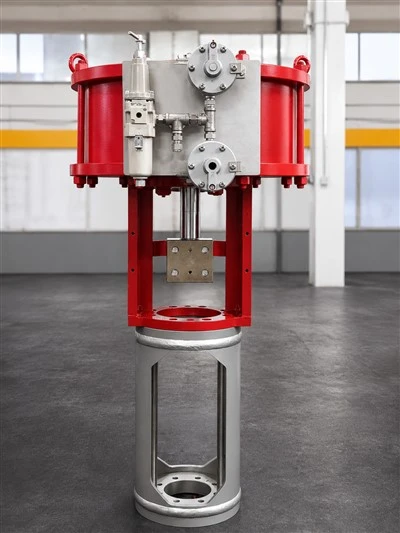
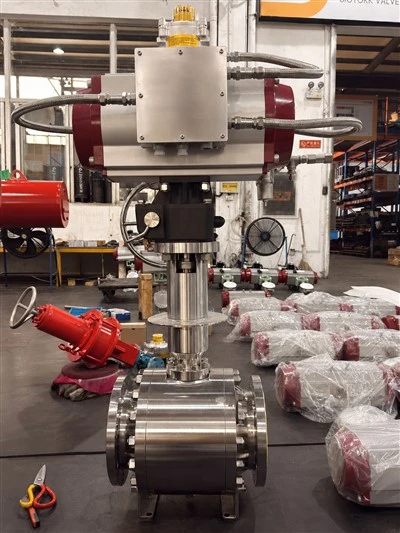
First off, let's talk about what a pneumatic valve actuator is. In a nutshell, it's a device that uses compressed air to open and close valves. They're used in all sorts of industries, like manufacturing, oil and gas, and water treatment. You can check out more about different types of pneumatic actuators on our website. For example, Valve Actuator Air, Industrial Pneumatic Actuators, Air Operated Actuator, Compressed Air Valve Actuator, and Pneumatic Butterfly Valve Actuator.
Dust can be a real pain in the neck for these actuators. When dust gets into an actuator, it can cause all sorts of problems. It can clog up the air passages, which means the actuator won't get enough air to work properly. This can lead to slow operation or even complete failure. Dust can also wear down the internal components of the actuator over time. The tiny particles can act like sandpaper, rubbing against the moving parts and causing them to break down faster.
So, how do we make sure our pneumatic valve actuators have good dust resistance? Well, there are a few key things we do.
One of the first steps is to use the right materials. We use high - quality seals and gaskets in our actuators. These seals are made from materials that can keep dust out. They're designed to fit tightly around the openings of the actuator, creating a barrier between the inside and the outside environment. For example, we might use rubber or silicone seals that are flexible enough to conform to the shape of the actuator but also strong enough to resist damage from dust and other contaminants.
Another important factor is the design of the actuator. We've spent a lot of time perfecting the design to minimize the places where dust can get in. Our actuators have smooth, rounded surfaces that make it harder for dust to stick. And we've also designed the internal air passages in a way that reduces the chances of dust getting trapped.
We also offer optional dust - proof enclosures for our actuators. These enclosures are like a protective shell that surrounds the actuator. They're made from tough materials that can withstand the elements and keep dust out. If you're working in a really dusty environment, like a mining site or a cement factory, these enclosures can be a great addition to your actuator.
Now, let's talk about testing. Before we send any of our actuators out to customers, we put them through a series of rigorous tests to make sure they have good dust resistance. We use special test chambers where we can control the amount of dust in the air. We run the actuators in these chambers for a set period of time and then check them for any signs of dust ingress or damage. If an actuator doesn't pass the test, it doesn't leave our factory.
But it's not just about the initial design and testing. We also provide maintenance tips to our customers to help them keep their actuators dust - free. For example, we recommend regular cleaning of the actuator and its surroundings. You can use a soft brush or compressed air to blow away any dust that has accumulated on the outside of the actuator. And it's also a good idea to check the seals and gaskets periodically to make sure they're still in good condition.
In some industries, the dust resistance of a pneumatic valve actuator can be a critical factor. Take the food and beverage industry, for example. In this industry, there are strict hygiene standards. Dust can carry bacteria and other contaminants that can contaminate the food or drink products. So, having a dust - resistant actuator is essential to ensure the safety and quality of the products.
In the pharmaceutical industry, the same goes. The manufacturing of drugs requires a clean and sterile environment. Any dust or other contaminants can affect the quality and efficacy of the drugs. That's why our dust - resistant pneumatic valve actuators are a great choice for these industries.
If you're in the market for a pneumatic valve actuator, you need to think about the dust resistance. Consider the environment where the actuator will be used. If it's a dusty place, you'll want to make sure you choose an actuator with good dust - proof features. And remember, our company offers a wide range of pneumatic valve actuators with different levels of dust resistance to meet your needs.
Whether you're looking for a Valve Actuator Air for a small - scale project or Industrial Pneumatic Actuators for a big industrial plant, we've got you covered. We're committed to providing high - quality products that can stand up to the toughest conditions.
If you have any questions about the dust resistance of our pneumatic valve actuators or want to discuss your specific requirements, don't hesitate to reach out. We're here to help you make the right choice for your application. Let's have a chat and see how we can work together to get you the perfect pneumatic valve actuator.
References
- General knowledge about pneumatic valve actuators from industry experience
- Technical specifications and research on materials used in actuator manufacturing