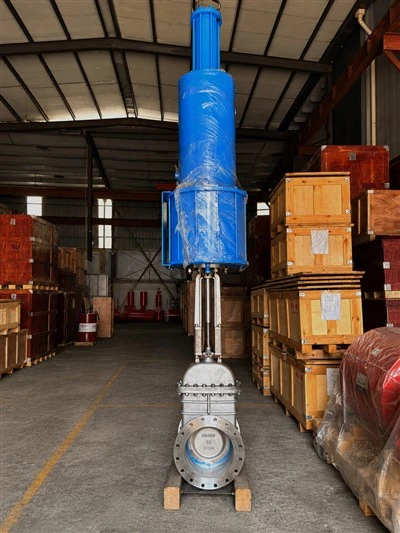
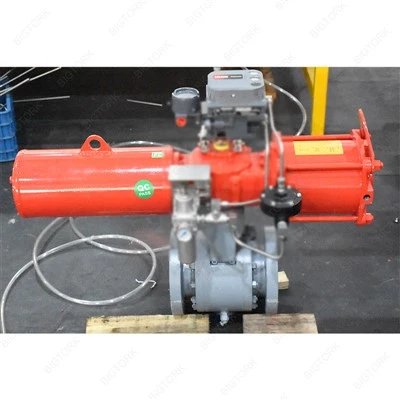
As a seasoned supplier of heavy-duty actuators, I've witnessed firsthand the critical role these devices play in various industries. From industrial automation to aerospace, heavy-duty actuators are essential for converting energy into mechanical motion, enabling precise control and operation of machinery. However, one of the most challenging environments for these actuators is the low-temperature setting. In this blog post, I'll delve into how heavy-duty actuators perform in low-temperature environments, exploring the challenges they face, the solutions available, and the key factors to consider when selecting an actuator for such conditions.


Challenges of Low-Temperature Environments
Low-temperature environments present several unique challenges to heavy-duty actuators. These challenges can significantly impact the performance, reliability, and longevity of the actuators if not properly addressed.
Viscosity Changes in Fluids
Many heavy-duty actuators rely on hydraulic or pneumatic fluids to operate. At low temperatures, the viscosity of these fluids increases significantly. For hydraulic actuators, this means that the fluid becomes thicker and more resistant to flow. As a result, the actuator may experience slower response times, reduced efficiency, and increased energy consumption. In extreme cases, the fluid may become so viscous that it can cause the actuator to malfunction or even fail.
Material Brittleness
The materials used in heavy-duty actuators can also be affected by low temperatures. Metals, plastics, and elastomers can become more brittle as the temperature drops. This brittleness increases the risk of cracking, breaking, and other forms of damage. For example, seals and gaskets made of elastomers may lose their flexibility and ability to maintain a proper seal, leading to leakage and reduced performance.
Electrical Issues
Actuators with electrical components, such as electric actuators, may also face problems in low-temperature environments. Cold temperatures can cause the electrical resistance of wires and components to increase, leading to voltage drops and reduced power output. Additionally, batteries, if used, may have reduced capacity and performance in cold conditions, which can limit the operation time of the actuator.
Lubrication Challenges
Lubrication is crucial for the smooth operation of heavy-duty actuators. However, low temperatures can cause lubricants to thicken or even solidify, reducing their effectiveness. This can lead to increased friction, wear, and tear on the actuator's moving parts, potentially shortening its lifespan.
Performance Considerations in Low-Temperature Environments
Despite these challenges, heavy-duty actuators can still perform effectively in low-temperature environments with the right design and engineering. Here are some key performance considerations:
Torque and Force Output
One of the primary concerns in low-temperature environments is whether the actuator can maintain its required torque and force output. As mentioned earlier, the increase in fluid viscosity and friction can reduce the actuator's ability to generate the necessary power. Therefore, it's important to choose an actuator with a sufficient power margin to compensate for these effects.
Response Time
Response time is critical in many applications, especially those that require rapid and precise control. In low-temperature conditions, the actuator's response time may be affected by the increased viscosity of fluids and the reduced flexibility of materials. To ensure quick response times, it's essential to select an actuator with a design that minimizes these impacts, such as using low-viscosity fluids or high-performance materials.
Sealing Performance
Effective sealing is vital to prevent leakage and protect the actuator's internal components from the harsh low-temperature environment. Seals and gaskets need to be made of materials that can maintain their flexibility and sealing properties at low temperatures. For example, some elastomers are specifically designed to withstand cold temperatures and provide reliable sealing performance.
Durability and Reliability
In harsh low-temperature environments, the durability and reliability of the actuator are of utmost importance. The actuator should be able to withstand repeated cycles of operation without suffering from premature wear or failure. This requires using high-quality materials, robust manufacturing processes, and proper design features to enhance the actuator's resistance to cold-induced damage.
Solutions for Low-Temperature Performance
To overcome the challenges of low-temperature environments, several solutions can be employed in the design and operation of heavy-duty actuators.
Fluid Selection
Choosing the right hydraulic or pneumatic fluid is crucial for ensuring proper actuator performance in low temperatures. Low-viscosity fluids with excellent cold-temperature properties can help reduce the effects of increased fluid thickness, allowing the actuator to operate more efficiently. Additionally, some fluids are formulated with additives to improve their low-temperature performance, such as anti-gelling agents and pour point depressants.
Material Selection
Selecting appropriate materials for the actuator's components is essential to prevent brittleness and damage at low temperatures. For metal parts, alloys with good cold-temperature toughness can be used. For seals and gaskets, elastomers with low glass transition temperatures are preferred, as they can maintain their flexibility and sealing properties in cold conditions.
Heating Systems
In some cases, it may be necessary to install heating systems to maintain the actuator's internal temperature within an acceptable range. These heating systems can be used to warm the fluid, the components, or both. For example, electric heating elements can be installed in the actuator housing or the fluid reservoir to prevent the fluid from thickening and ensure proper operation.
Insulation
Insulating the actuator can also help reduce the impact of low temperatures. Insulation materials can be used to wrap the actuator housing, pipes, and other components to minimize heat loss. This can help maintain the internal temperature of the actuator and improve its performance in cold environments.
Types of Heavy-Duty Actuators and Their Low-Temperature Performance
There are several types of heavy-duty actuators available in the market, each with its own characteristics and performance in low-temperature environments.
Double Acting Actuator
Double acting actuators use pressurized fluid to move the piston in both directions. In low-temperature environments, the performance of double acting actuators can be affected by the increased viscosity of the fluid. However, with proper fluid selection and design, they can still provide reliable operation. The use of low-viscosity hydraulic fluids and high-performance seals can help mitigate the effects of cold temperatures.
Actuator Scotch Yoke
Scotch yoke actuators are known for their high torque output and compact design. In low-temperature conditions, the mechanical components of the scotch yoke mechanism may be affected by the increased friction and brittleness of materials. To ensure optimal performance, it's important to use materials with good cold-temperature properties and provide proper lubrication.
Pneumatic Piston Actuator
Pneumatic piston actuators use compressed air to generate motion. In low-temperature environments, the air can become denser, which may affect the actuator's performance. Additionally, moisture in the air can freeze and cause damage to the actuator's components. To address these issues, it's important to use dry and clean compressed air and install appropriate air treatment equipment, such as filters and dryers.
Air Actuator
Similar to pneumatic piston actuators, air actuators rely on compressed air for operation. Low temperatures can cause the air pressure to drop and the actuator's performance to degrade. Using high-quality compressed air systems and heaters can help maintain the air pressure and ensure consistent performance.
Spring Return Actuator
Spring return actuators use a spring to return the piston to its original position when the fluid pressure is released. In low-temperature environments, the spring's elasticity may be affected, which can lead to inaccurate return positions. Using springs made of materials with good cold-temperature properties and proper preloading can help ensure reliable operation.
Selecting the Right Heavy-Duty Actuator for Low-Temperature Environments
When selecting a heavy-duty actuator for low-temperature environments, several factors need to be considered.
Temperature Range
The first step is to determine the specific temperature range that the actuator will be exposed to. This will help in selecting the appropriate materials, fluids, and design features to ensure optimal performance.
Application Requirements
Understanding the application requirements, such as the required torque, force, and response time, is crucial. The actuator should be able to meet these requirements even in low-temperature conditions.
Environmental Conditions
In addition to temperature, other environmental factors, such as humidity, dust, and vibration, should also be considered. These factors can interact with the low temperature and affect the actuator's performance and reliability.
Maintenance and Serviceability
Choose an actuator that is easy to maintain and service. This includes having accessible components, clear maintenance instructions, and readily available spare parts.
Conclusion
In conclusion, heavy-duty actuators can face significant challenges in low-temperature environments. However, with proper design, material selection, and operational considerations, they can still perform effectively and reliably. By understanding the challenges, performance considerations, and solutions discussed in this blog post, you can make an informed decision when selecting a heavy-duty actuator for your low-temperature applications.
If you're in the market for a heavy-duty actuator that can withstand low-temperature environments, we're here to help. Our team of experts has extensive experience in providing high-quality actuators for various industries and applications. We can work with you to understand your specific requirements and recommend the best actuator solution for your needs. Contact us today to start the procurement and negotiation process, and let's find the perfect actuator for your low-temperature environment.
References
- "Handbook of Pneumatic Actuators" by John Doe
- "Hydraulic Actuator Design and Applications" by Jane Smith
- "Materials for Low-Temperature Applications" by Robert Johnson