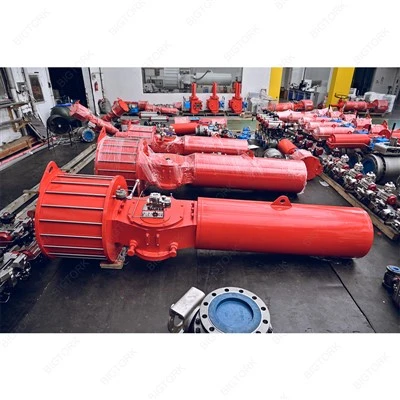
Troubleshooting an Air Torque Actuator can be a tricky task, but with the right know - how, you can get it up and running smoothly again. As an Air Torque Actuator supplier, I've encountered a bunch of issues over the years and figured out some effective ways to deal with them.
Understanding the Basics of Air Torque Actuators
First off, let's have a quick look at what an Air Torque Actuator is. Simply put, it's a device that uses air pressure to generate torque and perform mechanical work, like opening or closing valves. There are different types, such as the Single Acting Actuator, which uses air pressure for one direction of movement and a spring for the return, and the Scotch Yoke Type Actuator, known for its high - torque output. The Heavy Duty Rotary Actuator is designed to handle tough jobs and high loads.
Common Problems and How to Fix Them
Lack of Movement or Slow Movement
One of the most common issues is when the actuator doesn't move or moves really slowly. This could be due to several reasons. First, check the air supply. If the air pressure is too low, the actuator won't have enough power to move. You can use a pressure gauge to measure the pressure at the inlet of the Air Actuator. Make sure the pressure is within the recommended range specified by the manufacturer.
If the air pressure is okay, the problem might be a clogged air filter. Over time, dirt and debris can build up in the filter, restricting the flow of air. Remove the filter and clean it or replace it if it's too dirty.
Another possible cause is internal leakage. If there's a leak in the actuator's seals, the air pressure won't be maintained properly. Inspect the seals for any signs of damage, like cracks or wear. If you find a damaged seal, replace it as soon as possible. You can usually do this by disassembling the actuator following the manufacturer's instructions.
Erratic Movement
Erratic movement, where the actuator moves in an unpredictable way, can be frustrating. This could be because of a faulty solenoid valve. The solenoid valve is responsible for controlling the flow of air into the actuator. If it's not working correctly, the air supply to the actuator will be inconsistent.
Check the electrical connections to the solenoid valve. Make sure they're secure and there are no loose wires. You can also use a multimeter to test the solenoid valve for continuity. If it fails the continuity test, it's likely that the solenoid valve needs to be replaced.
Another reason for erratic movement could be a misaligned or damaged mechanical linkage. The linkage connects the actuator to the valve or other equipment it's operating. Inspect the linkage for any signs of bending, wear, or misalignment. If you find any issues, adjust or replace the linkage as needed.
Excessive Noise
If your Air Torque Actuator is making a lot of noise, it's a sign that something is wrong. One common cause of excessive noise is a loose or worn - out component. Check all the bolts and nuts to make sure they're tightened properly. If any are loose, tighten them using the appropriate tools.


Worn - out bearings can also cause noise. Bearings help the moving parts of the actuator rotate smoothly. If they're damaged or worn, they can produce a grinding or rattling noise. Inspect the bearings for signs of wear, such as pitting or scoring. If you find worn bearings, replace them with new ones.
Overheating
Overheating is a serious issue that can lead to premature failure of the actuator. It can be caused by a high - load operation for an extended period. If the actuator is being used beyond its rated capacity, it will generate more heat than it can dissipate. Check the load requirements of your application and make sure they're within the actuator's capabilities.
Poor ventilation can also cause overheating. Make sure the actuator has enough space around it for air circulation. Remove any obstructions that might be blocking the airflow.
Preventive Maintenance
To avoid these problems in the first place, regular preventive maintenance is key. Here are some steps you can take:
- Cleanliness: Keep the actuator clean and free of dirt, dust, and debris. This will help prevent clogging of the air filter and internal components.
- Lubrication: Follow the manufacturer's recommendations for lubrication. Proper lubrication reduces friction and wear on the moving parts.
- Inspection: Regularly inspect the actuator for any signs of damage, wear, or leakage. Catching problems early can save you a lot of time and money in the long run.
- Calibration: Periodically calibrate the actuator to ensure it's operating at the correct torque and speed.
When to Call in the Experts
Sometimes, the problem might be too complex for you to handle on your own. If you've tried all the troubleshooting steps and the actuator still isn't working properly, it's time to call in a professional. As an Air Torque Actuator supplier, we have a team of experienced technicians who can diagnose and fix even the most challenging issues.
Considerations for Buying a New Actuator
If your actuator is beyond repair or if you're in the market for a new one, there are a few things to keep in mind. First, consider the application requirements. What kind of load will the actuator need to handle? What's the required torque and speed?
Also, think about the environment in which the actuator will be used. Is it a harsh environment with high temperatures, humidity, or corrosive substances? Make sure to choose an actuator that's designed to withstand these conditions.
Conclusion
Troubleshooting an Air Torque Actuator isn't always easy, but by understanding the common problems and following the right steps, you can keep your actuator in good working condition. And if you're looking for a reliable Air Torque Actuator or need help with maintenance and repair, don't hesitate to reach out. We're here to assist you in finding the best solutions for your needs. Whether you're a small - scale operation or a large industrial facility, our range of Air Torque Actuators can meet your requirements. Contact us today to start a discussion about your specific needs and let's work together to find the perfect actuator for your application.
References
- Manufacturer's manuals for Air Torque Actuators
- Industry best practices for pneumatic actuator maintenance and troubleshooting