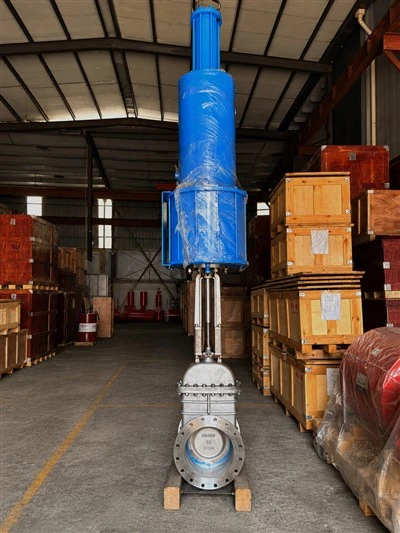
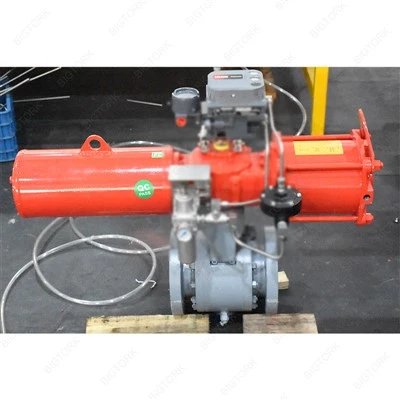
In the industrial landscape, pneumatic actuators play a pivotal role in various applications, from manufacturing plants to automated systems. As a trusted pneumatic actuator supplier, we understand the significance of proper maintenance to ensure these devices operate at peak performance and have a long service life. In this blog, we will delve into the essential steps and best practices for maintaining a pneumatic actuator.
Understanding the Basics of Pneumatic Actuators
Before we jump into maintenance, it's crucial to have a clear understanding of what a pneumatic actuator is and how it works. A pneumatic actuator is a device that uses compressed air to generate mechanical motion. It converts the energy from the compressed air into linear or rotary motion, which can be used to control valves, dampers, or other mechanical components.
There are different types of pneumatic actuators, each with its own design and functionality. For instance, the Air Piston Actuator uses a piston to convert the air pressure into linear motion. On the other hand, the Air Operated Actuator is a more general term that can refer to various types of actuators powered by compressed air. The Pneumatic Single - Acting Actuator With Bevel Gear Drive combines the single - acting principle with a bevel gear drive to provide rotary motion.


Regular Inspection
One of the most important aspects of maintaining a pneumatic actuator is regular inspection. This should be done at scheduled intervals, depending on the usage and the operating environment of the actuator.
- External Inspection: Start by visually inspecting the exterior of the actuator. Look for signs of physical damage such as cracks, dents, or corrosion. Check the mounting brackets and connections to ensure they are secure. Any loose connections can lead to misalignment and affect the performance of the actuator.
- Seal Inspection: The seals in a pneumatic actuator are critical for preventing air leakage. Inspect the seals for signs of wear, such as cracking or fraying. If the seals are damaged, they should be replaced immediately to maintain the proper air pressure within the actuator.
- Lubrication Inspection: Some pneumatic actuators require lubrication to operate smoothly. Check the lubrication levels and condition. If the lubricant is dirty or has deteriorated, it should be replaced. However, it's important to use the correct type of lubricant recommended by the manufacturer.
Air Supply Management
The quality of the air supply is directly related to the performance and longevity of a pneumatic actuator.
- Air Filter Maintenance: Install an air filter in the pneumatic system to remove contaminants such as dust, dirt, and moisture. Regularly clean or replace the air filter according to the manufacturer's instructions. A clogged air filter can reduce the air flow to the actuator, leading to reduced performance or even damage.
- Pressure Regulation: Ensure that the air pressure supplied to the actuator is within the recommended range. Use a pressure regulator to maintain a stable air pressure. Fluctuations in air pressure can cause the actuator to operate erratically and increase wear and tear on its components.
- Moisture Removal: Moisture in the compressed air can cause corrosion and damage to the internal components of the actuator. Install a moisture separator or dryer in the air supply system to remove excess moisture.
Functionality Testing
Periodically test the functionality of the pneumatic actuator to ensure it is operating correctly.
- Full Stroke Testing: Move the actuator through its full stroke range. Check for any signs of binding, hesitation, or uneven movement. If the actuator does not move smoothly, it could indicate a problem with the internal components or the air supply.
- Response Time Testing: Measure the response time of the actuator. A slow response time may be due to air leakage, a clogged valve, or a problem with the control system.
- Load Testing: If possible, perform a load test on the actuator. This will help you determine if the actuator can handle the required load under normal operating conditions.
Troubleshooting Common Issues
Even with regular maintenance, pneumatic actuators may encounter problems. Here are some common issues and how to troubleshoot them.
- Air Leakage: If you detect air leakage, first check the seals and connections. Tighten any loose connections and replace damaged seals. If the leakage persists, there may be a problem with the actuator body itself, and it may need to be repaired or replaced.
- Slow or Inconsistent Movement: As mentioned earlier, this could be due to a clogged air filter, improper air pressure, or internal component wear. Clean or replace the air filter, check the air pressure, and if necessary, inspect and replace any worn components.
- Overheating: Overheating of the actuator may be caused by excessive friction, a malfunctioning valve, or a problem with the air flow. Check for proper lubrication, ensure the valve is functioning correctly, and examine the air flow path for any blockages.
Manufacturer's Guidelines
Always follow the manufacturer's guidelines for maintenance. Each pneumatic actuator is designed with specific requirements and recommendations. The manufacturer's manual will provide detailed information on inspection intervals, lubrication types and amounts, and replacement parts.
Importance of Maintenance
Proper maintenance of pneumatic actuators offers several benefits. Firstly, it ensures the reliability of the actuator. A well - maintained actuator is less likely to fail during operation, reducing downtime and increasing productivity. Secondly, it extends the service life of the actuator. By preventing premature wear and damage to components, you can avoid costly replacements. Finally, it improves the safety of the system. A malfunctioning actuator can pose a risk to the equipment and the personnel operating it.
Contact for Purchase and Consultation
If you are in the market for high - quality pneumatic actuators or need further advice on maintenance, we are here to help. As a leading pneumatic actuator supplier, we offer a wide range of products, including the Air Piston Actuator, Air Operated Actuator, Pneumatic Single - Acting Actuator With Bevel Gear Drive, Valve Actuator Air, and Actuator with Bevel Gear Manual Override. Contact us to discuss your specific requirements and start a procurement negotiation.
References
- Pneumatic Actuator Handbook, Industry Standard Publication
- Manufacturer's Manuals for Various Pneumatic Actuators