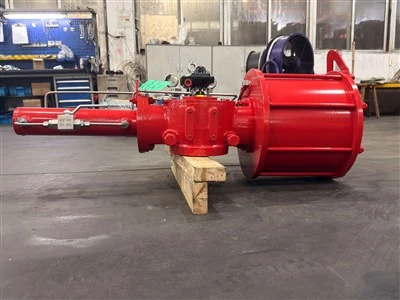
Can air pressure actuators be used for precise positioning? That's a question I get asked a lot as a supplier of air pressure actuators. In this blog post, I'm gonna break down the ins and outs of using these handy devices for accurate placement.
First off, let's talk about what air pressure actuators are. These are mechanical devices that convert air pressure into mechanical motion. They're used in a whole bunch of industries, from manufacturing to automotive, and even in some high - tech applications. There are different types of air pressure actuators, like the Spring Return Actuator, Pneumatic Piston Actuator, Double Acting Actuator, Air Actuator, and Scotch Yoke Type Actuator. Each type has its own unique features and benefits.
Now, the big question: can they achieve precise positioning? Well, the answer is yes, but it depends on a few factors.
Factors Affecting Precise Positioning
1. Control System
The control system is like the brain of the air pressure actuator setup. A good control system can accurately regulate the air pressure going into the actuator. For example, if you're using a proportional valve in the control system, you can precisely adjust the air pressure based on the desired position. This allows the actuator to move to a specific point with a high degree of accuracy. However, if the control system is cheap or poorly designed, it'll be hard to get that pinpoint accuracy.
2. Load and Friction
The load on the actuator and the amount of friction in the system play a huge role. If the load is too heavy or the friction is high, the actuator might not be able to move smoothly to the exact position. For instance, in a heavy - duty manufacturing process where the actuator has to move a large piece of machinery, the load can cause the actuator to overshoot or undershoot the target position. To counter this, you need to choose an actuator with enough force capacity and also reduce friction as much as possible through proper lubrication and smooth - running components.
3. Feedback Mechanism
A feedback mechanism is essential for precise positioning. It provides information about the actual position of the actuator back to the control system. This can be in the form of sensors like potentiometers or encoders. When the control system receives this feedback, it can make adjustments to the air pressure to ensure the actuator reaches and stays at the right position. Without a reliable feedback mechanism, it's like driving a car without a speedometer - you won't know if you're where you need to be.
Benefits of Using Air Pressure Actuators for Precise Positioning
1. Speed
Air pressure actuators can move quickly. They can reach a desired position in a short amount of time compared to some other types of actuators. This makes them ideal for applications where rapid and precise movements are required, such as in pick - and - place robots in a factory setting.
2. Clean and Safe
Since they use air as the power source, air pressure actuators are clean. There's no risk of leakage of hazardous fluids like in hydraulic actuators. Also, they're generally safer in environments where there's a risk of fire or explosion because there are no flammable liquids involved.


3. Cost - Effective
In many cases, air pressure actuators are more affordable than other types of actuators. They're relatively simple in design and don't require complex maintenance. This cost - effectiveness makes them a popular choice for small and medium - sized businesses looking for precise positioning solutions without breaking the bank.
Real - World Applications
1. Packaging Industry
In the packaging industry, air pressure actuators are used to precisely position products on conveyor belts, open and close packaging materials, and apply labels. For example, a Pneumatic Piston Actuator can be used to push a product onto a specific spot on a conveyor for labeling. The actuator needs to move the product accurately so that the label is applied in the right place every time.
2. Medical Equipment
In medical devices, precision is crucial. Air pressure actuators can be found in devices like syringe pumps, where they need to precisely dispense a certain amount of medication. The ability to control the position of the actuator allows for accurate dosage delivery, which is essential for patient safety.
Tips for Achieving Precise Positioning with Air Pressure Actuators
1. Choose the Right Actuator
As I mentioned earlier, different types of actuators have different capabilities. Make sure you choose an actuator that's suitable for your specific application. Consider factors like the required force, speed, and the range of motion.
2. Calibrate Regularly
Regular calibration of the control system and the feedback mechanism is important. Over time, components can wear out or change slightly, which can affect the accuracy of the positioning. By calibrating regularly, you can ensure that the actuator is always performing at its best.
3. Maintain the System
Proper maintenance is key. Keep the actuator clean, lubricated, and check for any signs of wear or damage. Replace any worn - out parts as soon as possible to prevent any issues with positioning.
Conclusion
So, can air pressure actuators be used for precise positioning? Absolutely! With the right control system, consideration of load and friction, a reliable feedback mechanism, and proper maintenance, air pressure actuators can achieve a high level of precision. And as a supplier of these actuators, I've seen firsthand how they can transform industrial processes with their accurate positioning capabilities.
If you're in the market for air pressure actuators for your precise positioning needs, don't hesitate to get in touch. We can help you choose the right actuator for your application and provide you with all the support you need to ensure it works perfectly.
References
- "Industrial Actuators Handbook" - A comprehensive guide on different types of actuators and their applications.
- "Pneumatic Systems Engineering" - A book that delves deep into the science behind pneumatic actuators, including air pressure actuators.