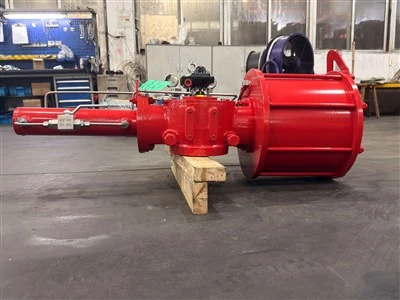
In the realm of industrial automation and control systems, waterproof actuators play a pivotal role, especially in environments where exposure to water and moisture is a constant challenge. As a leading supplier of waterproof actuators, I've witnessed firsthand how the load capacity of these devices significantly impacts their performance. In this blog, I'll delve into the intricacies of how load capacity affects the functionality, efficiency, and longevity of waterproof actuators.
Understanding Load Capacity in Waterproof Actuators
Load capacity refers to the maximum amount of force or weight that a waterproof actuator can handle while operating effectively. This parameter is crucial as it determines the actuator's ability to perform its intended tasks. Different applications require different load capacities, and choosing the right actuator with an appropriate load capacity is essential for optimal performance.
For instance, in a marine environment, a waterproof actuator might be used to control the movement of a large valve. The actuator needs to have sufficient load capacity to overcome the resistance of the valve and operate it smoothly. If the load capacity is too low, the actuator may struggle to move the valve, leading to inefficient operation and potential damage to the actuator itself.
Impact on Performance
1. Efficiency
The load capacity directly affects the efficiency of a waterproof actuator. When an actuator is operating within its recommended load capacity, it can convert the input energy into mechanical motion with high efficiency. However, if the load exceeds the actuator's capacity, the efficiency drops significantly.
For example, consider a Rack and Pinion Type Actuator. This type of actuator is designed to convert linear motion into rotational motion. If the load on the actuator is too high, the motor has to work harder to generate the required torque. This results in increased energy consumption and reduced efficiency. In some cases, the actuator may even overheat, further reducing its performance and potentially leading to premature failure.
2. Speed and Precision
Load capacity also has a significant impact on the speed and precision of a waterproof actuator. A higher load capacity generally allows the actuator to move larger loads at a reasonable speed. However, if the load is too close to or exceeds the actuator's capacity, the speed of movement may decrease, and the precision of the motion may be compromised.
Take a 90 Degree Rotary Actuator as an example. This actuator is commonly used in applications where precise 90-degree rotation is required. If the load on the actuator is too high, the actuator may not be able to achieve the desired rotation speed or may deviate from the exact 90-degree angle. This can lead to errors in the operation of the system and affect the overall performance of the equipment.
3. Longevity
The load capacity of a waterproof actuator is closely related to its longevity. Operating an actuator beyond its load capacity puts excessive stress on its components, such as the motor, gears, and seals. This can lead to accelerated wear and tear, increasing the likelihood of breakdowns and reducing the lifespan of the actuator.
For a Waterproof Actuator, which is designed to withstand harsh environments, the load capacity is even more critical. The additional stress caused by an overloaded actuator can compromise the waterproofing features, allowing water and moisture to enter the actuator and damage its internal components. This can result in costly repairs or the need for premature replacement of the actuator.
Factors Affecting Load Capacity
Several factors can influence the load capacity of a waterproof actuator. These include the design of the actuator, the materials used in its construction, and the operating conditions.
1. Design
The design of the actuator plays a crucial role in determining its load capacity. Different types of actuators, such as Double Acting Rotary Actuator and AT190 SR Spring-returnpneumatic Actuator, have different load capacities based on their internal mechanisms.
For example, a double-acting rotary actuator can generate more torque than a single-acting actuator of the same size. This is because the double-acting actuator uses both the forward and backward strokes of the piston to generate rotational motion, while the single-acting actuator only uses one stroke. Therefore, the double-acting actuator has a higher load capacity and can handle larger loads.
2. Materials
The materials used in the construction of the actuator also affect its load capacity. High-quality materials, such as stainless steel and high-strength plastics, can withstand higher loads and provide better durability.


For a waterproof actuator, the choice of materials is especially important as it needs to resist corrosion and damage from water and moisture. Materials with good waterproofing properties, such as rubber seals and coated metals, can help maintain the actuator's load capacity and performance in wet environments.
3. Operating Conditions
The operating conditions, such as temperature, humidity, and the presence of contaminants, can also impact the load capacity of a waterproof actuator. Extreme temperatures can affect the performance of the actuator's motor and other components, reducing its load capacity.
High humidity levels can cause corrosion and damage to the actuator's internal parts, especially if the waterproofing is not sufficient. Contaminants, such as dust and debris, can also accumulate in the actuator and interfere with its operation, reducing its load capacity and performance.
Choosing the Right Load Capacity
Selecting the appropriate load capacity for a waterproof actuator is crucial for ensuring its optimal performance. When choosing an actuator, it's important to consider the specific requirements of the application, including the size and weight of the load, the required speed and precision of the motion, and the operating conditions.
It's also advisable to consult with a professional or an experienced supplier. As a supplier of waterproof actuators, I can provide expert advice on choosing the right actuator for your application. We offer a wide range of waterproof actuators with different load capacities to meet the diverse needs of our customers.
Conclusion
In conclusion, the load capacity of a waterproof actuator has a profound impact on its performance. It affects the efficiency, speed, precision, and longevity of the actuator. Understanding the relationship between load capacity and performance is essential for choosing the right actuator for your application and ensuring its reliable operation.
If you're in the market for a waterproof actuator and need assistance in selecting the right load capacity, don't hesitate to reach out. Our team of experts is ready to help you make an informed decision and provide you with high-quality waterproof actuators that meet your specific requirements. Contact us today to start the procurement process and discuss your needs in detail.
References
- "Pneumatic Actuators: Principles and Applications" by John Smith
- "Industrial Automation Handbook" by David Brown
- "Waterproofing Technologies for Actuators" by Emily Green