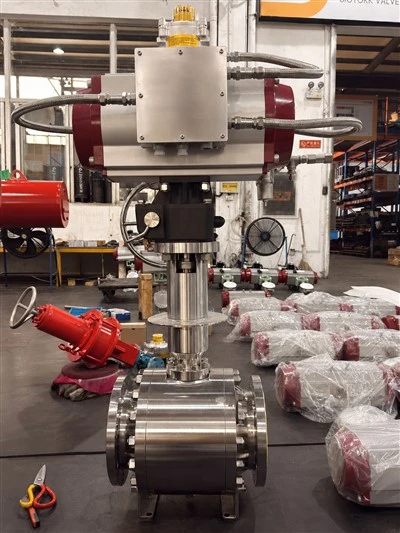
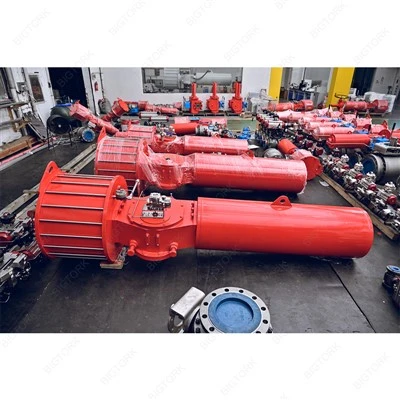
Hey there! As a pneumatic actuator supplier, I've been getting a bunch of questions lately about the relationship between the size and the performance of a pneumatic actuator. So, I thought I'd break it down in this blog post and share some insights based on my experience in the industry.
First off, let's talk a bit about what pneumatic actuators are. They're basically devices that convert compressed air energy into mechanical motion. You'll find them in all sorts of applications, from industrial manufacturing to HVAC systems. They're super useful because they're relatively simple, reliable, and cost - effective.
Now, onto the main topic: the relationship between size and performance.
Torque Output
The size of a pneumatic actuator has a direct impact on its torque output. In general, a larger actuator can generate more torque. Torque is the rotational force that the actuator can apply, and it's crucial for tasks like opening and closing valves or moving heavy machinery parts.
Imagine you have a small valve in a low - pressure system. A compact pneumatic actuator would be sufficient to handle the job because it doesn't need to generate a huge amount of torque. But if you're dealing with a large, high - pressure valve in an industrial pipeline, you're going to need a bigger actuator. The larger surface area of the piston or other moving components in a bigger actuator allows it to generate more force when the compressed air is applied.
For example, our Pneumatic Piston Actuator comes in different sizes. The larger models are designed for applications where high torque is required, such as in large - scale chemical processing plants.
Speed of Operation
Size also affects the speed at which a pneumatic actuator can operate. Smaller actuators tend to be faster because they have less mass to move. With less inertia, they can accelerate and decelerate more quickly.
Let's say you have a small robotic arm that needs to make rapid, precise movements. A small pneumatic actuator would be a great choice because it can respond quickly to changes in air pressure. On the other hand, larger actuators are generally slower because they have more mass and require more energy to get moving.
However, it's important to note that the speed of an actuator can also be adjusted through the use of flow control valves. These valves regulate the amount of compressed air flowing into and out of the actuator, allowing you to fine - tune its speed.
Response Time
Response time is another aspect of performance that's related to size. A smaller actuator typically has a shorter response time. When the air pressure signal is sent, a small actuator can start moving almost immediately because there's less internal resistance and fewer components to move.
In applications where quick response is critical, like in some automated assembly lines where parts need to be picked and placed rapidly, smaller Actuator Air models are often preferred.
Energy Consumption
The size of a pneumatic actuator also plays a role in its energy consumption. Larger actuators generally consume more compressed air because they have larger volumes to fill. Compressed air is an expensive form of energy, so in applications where energy efficiency is a concern, it's important to choose the right size actuator.
If you use a larger actuator than necessary, you'll be wasting energy. On the other hand, if you choose a smaller actuator that can't handle the required load, it may not function properly and could lead to premature wear and tear.
Accuracy and Precision
When it comes to accuracy and precision, the relationship between size and performance is a bit more complex. Smaller actuators can sometimes offer better precision because they can make smaller, more controlled movements. However, larger actuators can also be very precise if they're properly designed and calibrated.

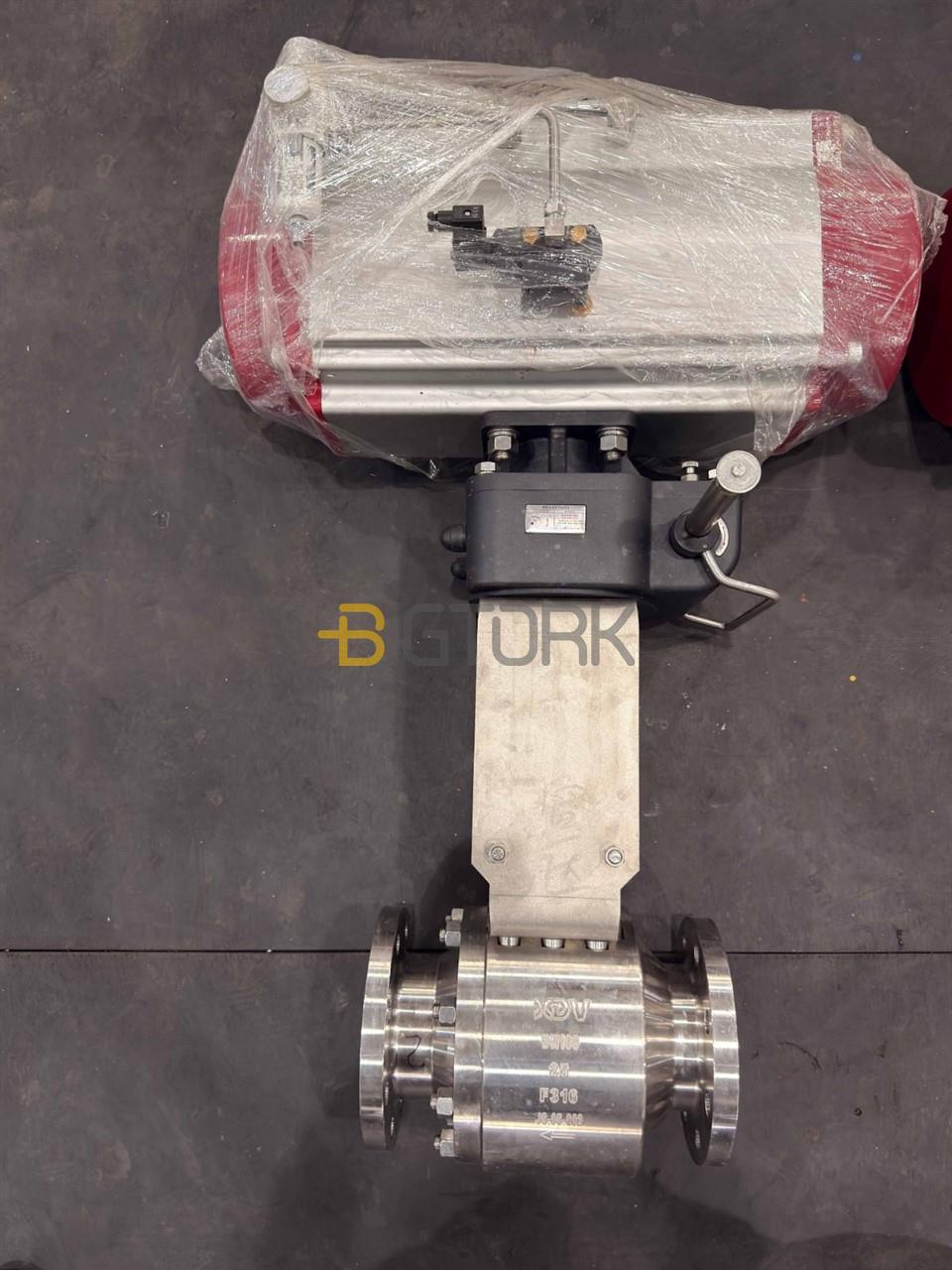
For example, in some high - precision machining operations, a well - engineered Double Acting Actuator of an appropriate size can provide the necessary force while still maintaining a high level of accuracy.
Application - Specific Considerations
The choice between a small and large pneumatic actuator really depends on the specific application. Here are some common applications and how size matters:
Valve Control
In valve control applications, the size of the valve and the pressure of the fluid or gas being controlled are the main factors. For small, low - pressure valves in residential plumbing or small - scale industrial systems, a compact Pneumatic Actuator WithBall Valve would work well. But for large, high - pressure valves in oil and gas pipelines, a much larger actuator is required.
Robotics
In robotics, the size of the actuator depends on the size and weight of the robot arm or other moving parts. Small robots used for tasks like electronics assembly may use small actuators for quick and precise movements. Larger industrial robots that handle heavy loads, like in automotive manufacturing, need larger actuators to generate enough torque.
Conveyor Systems
In conveyor systems, the actuator is used to control the movement of belts or other conveying mechanisms. If the conveyor is small and moves light loads, a small actuator can be used. For large - scale conveyor systems in warehouses or mines, larger actuators are needed to handle the heavier loads and the longer distances.
Making the Right Choice
As a pneumatic actuator supplier, I always recommend that our customers carefully consider their specific requirements before choosing an actuator size. Here are some steps to help you make the right decision:
- Understand the load: Determine the amount of force or torque required to perform the task. This could involve calculating the weight of the object to be moved, the pressure in a valve system, etc.
- Consider the speed and response time: Think about how quickly the actuator needs to move and how fast it needs to respond to signals.
- Evaluate energy efficiency: Look at your energy costs and try to choose an actuator size that will minimize energy waste.
- Factor in accuracy and precision: If your application requires high levels of accuracy, make sure to choose an actuator that can meet those requirements.
If you're still not sure which size of pneumatic actuator is right for your application, don't hesitate to reach out to us. We have a team of experts who can help you analyze your needs and recommend the best solution.
Whether you're looking for a small, high - speed actuator or a large, high - torque one, we have a wide range of products to choose from, including our Air Torque Actuator. We're committed to providing high - quality pneumatic actuators that meet your performance requirements and budget.
If you're interested in purchasing pneumatic actuators or want to discuss your specific needs further, feel free to contact us. We're here to help you find the perfect solution for your application.
References
- "Pneumatic Actuators: Principles and Applications" by John Smith
- "Industrial Automation Handbook" edited by Jane Doe
- Various technical documents from leading pneumatic actuator manufacturers