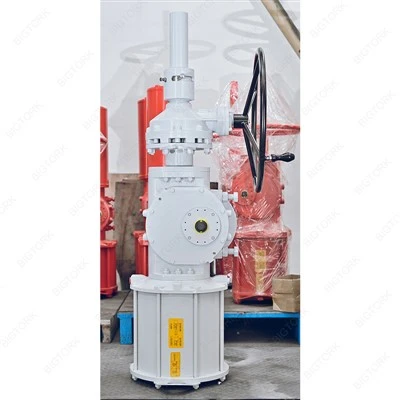
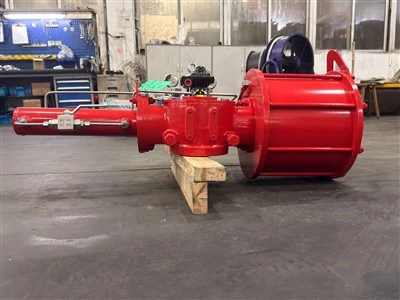
As a supplier of hydraulic linear actuators, I've witnessed firsthand the importance of these devices across various industrial applications. Hydraulic linear actuators are the workhorses in many systems, from heavy - machinery operations to precise manufacturing processes. However, like all mechanical components, they have a limited lifespan and will eventually need replacement. In this blog, I'll share some key signs that indicate a hydraulic linear actuator may need to be replaced.
1. Reduced Performance
One of the most obvious signs that a hydraulic linear actuator is in trouble is a noticeable reduction in performance. This can manifest in several ways.

Slow Operation
If the actuator used to move a load quickly and smoothly but now takes longer to complete the same task, it's a cause for concern. Slow operation can be due to internal leaks within the actuator. Over time, the seals inside the actuator can wear out, allowing hydraulic fluid to bypass the piston and reducing the force output. This is especially evident in applications where the actuator needs to move rapidly, such as in automated assembly lines. A slow - moving actuator can disrupt the entire production process, leading to decreased productivity.
Inconsistent Movement
Inconsistent movement is another red flag. The actuator may start and stop erratically, or it may not reach its full stroke length. This can be caused by a variety of factors, including damaged internal components such as the piston rod or the cylinder walls. For example, if the piston rod is bent, it won't be able to move smoothly within the cylinder, resulting in jerky and inconsistent movement. Inconsistent movement can also be a sign of a malfunctioning hydraulic pump or a blocked hydraulic line. Whether you're using a High Power Linear Actuator for heavy - duty lifting or a more delicate positioning task, any form of inconsistent movement can compromise the quality of the work.
2. Unusual Noise and Vibration
Hydraulic linear actuators typically operate quietly when they are in good condition. Any unusual noise or vibration during operation is a sign that something is wrong.
Knocking or Banging Sounds
Knocking or banging sounds can indicate loose or damaged internal parts. For instance, if the end - caps of the actuator are not properly tightened, they can produce a knocking sound as the actuator moves back and forth. Similarly, if the internal bearings are worn out, they can cause a banging noise as the piston rod rotates. These sounds are not only annoying but also a sign of potential damage that can worsen over time if not addressed.
Excessive Vibration
Excessive vibration can be a sign of an imbalance within the actuator. This could be due to a misaligned piston rod or a damaged seal that is causing uneven pressure distribution. Excessive vibration can also lead to other problems, such as increased wear and tear on surrounding components. For example, if the actuator is mounted on a machine frame, the vibration can cause the frame to loosen or even crack over time.
3. Fluid Leaks
Fluid leaks are one of the most visible signs that a hydraulic linear actuator needs attention. Hydraulic fluid is essential for the proper operation of the actuator, and any leakage can lead to a loss of pressure and reduced performance.
External Leaks
External leaks are easy to spot. You may notice hydraulic fluid dripping from the actuator or pooling around its base. These leaks can be caused by damaged seals, cracked cylinders, or loose fittings. External leaks not only waste hydraulic fluid but can also pose a safety hazard, as the fluid is often slippery and can cause accidents in the workplace.
Internal Leaks
Internal leaks are more difficult to detect but can be just as problematic. As mentioned earlier, worn - out seals can allow fluid to bypass the piston, reducing the actuator's efficiency. Internal leaks can also lead to a decrease in pressure within the system, which can cause the actuator to operate sluggishly or not at all.
4. Increased Heat Generation
A hydraulic linear actuator that is generating excessive heat is a cause for alarm. Heat is a by - product of the normal operation of the actuator, but if the temperature rises significantly above normal levels, it can indicate a problem.
Friction and Wear
Excessive heat can be caused by increased friction within the actuator. This can be due to worn - out bearings, a misaligned piston rod, or dirty hydraulic fluid. When friction increases, more energy is converted into heat, which can damage the internal components of the actuator. For example, high temperatures can cause the seals to harden and lose their flexibility, leading to leaks.
Overloading
Overloading the actuator can also cause it to generate excessive heat. If the actuator is constantly being asked to move a load that is beyond its capacity, it will have to work harder, resulting in increased heat production. Overloading not only shortens the lifespan of the actuator but can also lead to catastrophic failure if not addressed.
5. Damaged or Worn - Out Components
Inspecting the physical condition of the actuator can reveal a lot about its health.
Piston Rod Damage
The piston rod is a critical component of the actuator. If it shows signs of corrosion, scratches, or bending, it can affect the performance of the actuator. Corrosion can weaken the rod, making it more prone to breakage. Scratches can damage the seals, leading to leaks. And a bent piston rod can cause uneven movement and increased wear on the internal components.
Cylinder Wall Damage
The cylinder walls also need to be in good condition for the actuator to work properly. If the cylinder walls are scored or pitted, it can cause the piston to stick or move unevenly. This can lead to reduced performance and increased wear on the seals.
When to Consider Replacement
If you notice one or more of these signs, it's important to assess the severity of the problem. In some cases, minor issues can be fixed through maintenance or repair. However, if the actuator has multiple problems, or if the damage is extensive, replacement may be the best option.
Replacing a hydraulic linear actuator can seem like a significant investment, but it can save you money in the long run. A new actuator will operate more efficiently, reducing energy costs and minimizing downtime. It will also improve the overall reliability of your system, leading to fewer production disruptions.
If you're experiencing any of these issues with your hydraulic linear actuators and are considering replacement, don't hesitate to reach out. As a supplier, I have a wide range of high - quality hydraulic linear actuators, including the High Power Linear Actuator, to meet your specific needs. Whether you're in the manufacturing, construction, or any other industry that relies on hydraulic actuators, I can provide you with the right solution.
Contact us to start a discussion about your requirements. Our team of experts can help you choose the perfect actuator for your application and assist you throughout the purchasing process.
References
- ASME Standards on Fluid Power Systems and Components
- ISO Guidelines on Hydraulic Actuator Performance and Maintenance
- Industry whitepapers on the lifespan and failure modes of hydraulic linear actuators