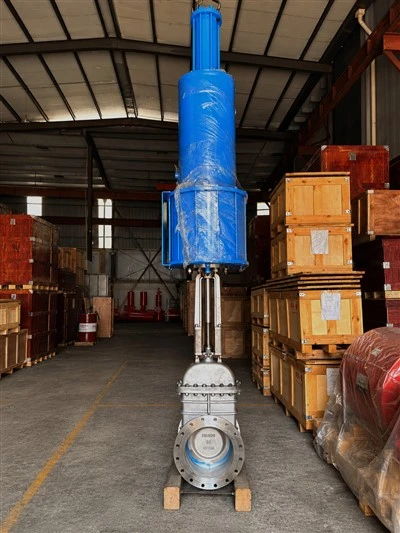
As a trusted supplier of Part Turn Actuators, I've witnessed firsthand the critical role these devices play in a wide range of industrial applications. Part Turn Actuators are designed to rotate valves, dampers, and other equipment through a limited angular motion, typically 90 degrees. They are essential for controlling the flow of fluids, gases, and other substances in various systems. However, like any mechanical device, Part Turn Actuators are prone to certain common failures that can disrupt operations and lead to costly downtime. In this blog post, I'll discuss some of the most common failures of Part Turn Actuators and provide insights on how to prevent and address them.
1. Mechanical Wear and Tear
One of the most prevalent issues encountered with Part Turn Actuators is mechanical wear and tear. Over time, the moving parts of an actuator, such as gears, shafts, and bearings, can experience significant friction and stress. This constant abrasion gradually degrades the components, leading to a loss of precision and efficiency. For instance, in high - cycle applications where the actuator is frequently activated, the gears can become worn down, resulting in a misalignment that affects the smooth rotation of the valve. If left unaddressed, mechanical wear can ultimately lead to the complete failure of the actuator.
To mitigate this problem, regular maintenance is crucial. This includes lubricating the moving parts at appropriate intervals to reduce friction. Using high - quality lubricants specifically designed for industrial actuators can significantly extend the lifespan of the components. Additionally, periodic inspections should be carried out to detect early signs of wear and replace any damaged parts promptly.
2. Seal and Gasket Failures
Seals and gaskets are integral components of Part Turn Actuators, responsible for preventing fluid or gas leakage. These seals are often exposed to harsh environmental conditions, including high temperatures, pressure differentials, and corrosive substances. Over time, the seals can deteriorate, crack, or become brittle, compromising their ability to maintain a tight seal. A leaking seal not only leads to a loss of efficiency but can also pose safety risks, especially in applications where hazardous materials are involved.
To prevent seal and gasket failures, it is important to select seals made from high - quality materials that are resistant to the specific operating conditions of the application. For example, in high - temperature environments, seals made from silicone or fluorocarbon - based materials are more suitable. Regularly inspecting the seals for signs of damage, such as cracks or swelling, and replacing them at the first sign of wear is also essential.
3. Electrical Issues (if applicable)
Many modern Part Turn Actuators are equipped with electrical components for control and automation. Electrical problems can be a major source of actuator failure. Issues such as loose connections, short circuits, or damaged wiring can disrupt the power supply to the actuator, preventing it from operating correctly. For example, in a dusty or humid environment, electrical connections may become corroded, leading to intermittent operation or a complete loss of power.
To address electrical issues, it is essential to ensure that all electrical connections are properly tightened and insulated. Regularly inspect the wiring for signs of damage and replace any frayed or worn cables. In addition, installing surge protectors and using proper grounding techniques can help protect the electrical components from power surges and electrical interference.
4. Overloading
Overloading occurs when the actuator is required to operate beyond its rated capacity. This can happen due to a variety of reasons, such as improper valve sizing, blockages in the system, or incorrect installation. When an actuator is overloaded, it has to work harder to achieve the desired rotation, which can lead to excessive stress on the components. This stress can cause mechanical failures, such as broken gears or shafts, and can also overheat the motor in electrically - operated actuators.


To avoid overloading, it is important to select an actuator with a suitable torque rating for the specific application. Proper system design and installation are also crucial. Ensuring that the valve and other components in the system are correctly sized and aligned can prevent unnecessary strain on the actuator. Additionally, implementing overload protection devices, such as torque limiters, can help prevent damage to the actuator in case of an unexpected overload.
5. Environmental Contamination
Part Turn Actuators are often installed in harsh industrial environments where they are exposed to dust, dirt, moisture, and chemicals. Environmental contamination can have a detrimental effect on the performance and lifespan of the actuator. For example, dust and dirt can accumulate inside the actuator, causing abrasion and clogging of the moving parts. Moisture can lead to corrosion of the metal components, while chemicals can degrade the seals and other non - metallic parts.
To protect the actuator from environmental contamination, proper enclosures and protective coatings can be used. Sealed enclosures can prevent dust and moisture from entering the actuator, while corrosion - resistant coatings can protect the metal components from chemical attack. Regular cleaning and maintenance of the actuator can also help remove any accumulated contaminants.
6. Control System Malfunctions
The control system of a Part Turn Actuator is responsible for sending the appropriate signals to the actuator to initiate and control its operation. Malfunctions in the control system can lead to incorrect actuator positioning, erratic behavior, or complete failure to operate. These malfunctions can be caused by software glitches, sensor failures, or problems with the control panel.
To ensure the proper functioning of the control system, regular software updates should be performed to fix any known bugs or security vulnerabilities. Sensors should be calibrated regularly to ensure accurate feedback, and the control panel should be inspected for any signs of damage or malfunction.
Conclusion
Understanding the common failures of Part Turn Actuators is essential for ensuring their reliable operation and minimizing downtime. By implementing a comprehensive maintenance program, selecting the right components for the specific application, and taking appropriate measures to protect the actuator from environmental factors, many of these failures can be prevented.
If you are in the market for high - quality Part Turn Actuators, we are here to assist you. Our product range includes Large Bore Spring Return Actuator, Part Turn Actuator, Actuator with Bevel Gear Manual Override, Angular Actuator, and Pneumatic Single - Acting Actuator With Bevel Gear Drive. We are dedicated to providing top - notch products and excellent customer service. If you have any questions or are interested in discussing your specific requirements, please feel free to reach out to us. We look forward to the opportunity to work with you and help you find the perfect actuator solution for your needs.
References
- Industrial Actuator Handbook, 3rd Edition
- ASME Performance Test Code for Valves and Actuators
- IEEE Standards for Electrical Components in Actuators