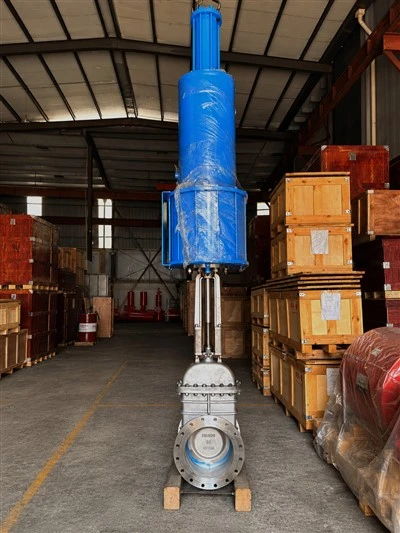
Hey there, folks! I'm a supplier of marine linear actuators, and today I wanna chat about how to pick the right marine linear actuator based on its IP rating. This is super important because the IP rating tells you how well the actuator can handle different environmental conditions, especially in a marine setting where things can get pretty tough.
What's the IP Rating?
First off, let's talk about what the IP rating actually means. IP stands for "Ingress Protection," and it's a standardized system that tells you how well a device is protected against the intrusion of solids (like dust) and liquids (like water). The IP rating is made up of two numbers. The first number represents protection against solids, and the second number represents protection against liquids.
For example, in an Ip67 Linear Actuator, the "6" in the IP67 rating means it's completely protected against dust ingress. The "7" means it can stand up to immersion in water for a limited time and at a certain depth.
Why IP Rating Matters in Marine Use
In the marine world, the environment is harsh. Saltwater, high humidity, and lots of dust and debris are all part of the deal. Saltwater is extremely corrosive, and if water or dust gets into an actuator, it can cause all sorts of problems. It can damage the electrical components, corrode the moving parts, and mess with the actuator's performance. So, having an actuator with the right IP rating is crucial to ensure it lasts a long time and works as it should.
IP Rating Breakdown
Let's break down some common IP ratings you'll see for marine linear actuators.
IP65
An IP65-rated actuator is protected against dust and low-pressure water jets from any direction. It's a good option for applications where the actuator is not directly exposed to water but might get splashed or where there's a moderate amount of dust. It's a solid choice for some indoor marine equipment or areas that are semi - protected from the elements.
IP66
This rating offers better protection against water. It can handle high - pressure water jets from any direction. So, if your actuator is going to be in an area where it might get hit by waves or strong water sprays, an IP66-rated actuator would be a better bet.
IP67
As mentioned earlier, an Ip67 Linear Actuator is dust - tight and can withstand immersion in water up to 1 meter for 30 minutes. This is great for actuators that might be submerged occasionally, like those used in some underwater equipment or on boats in rough seas.
IP68
The IP68 rating is the highest level of protection. Actuators with this rating can be submerged in water at greater depths for extended periods. They're perfect for applications where the actuator is constantly underwater, like in some deep - sea equipment.
Factors to Consider Alongside IP Rating
While the IP rating is super important, there are other factors you should think about when choosing a marine linear actuator.
Load Capacity
You need to know how much weight or force the actuator needs to move. For heavy - duty tasks, you might want to look at a High Thrust Linear Actuator. These actuators are designed to handle large loads and can be crucial for applications like lifting heavy equipment on a ship.
Stroke Length
The stroke length is how far the actuator can extend. You need to make sure the stroke length is long enough for your specific application. If you're using the actuator to open and close a large hatch, for example, a longer stroke length will be necessary.
Speed
The speed at which the actuator can move also matters. Some applications require quick movement, while others need a slower, more controlled motion. You'll need to choose an actuator with the right speed capabilities for your task.


Specific Types of Marine Linear Actuators
There are different types of marine linear actuators, and each has its own features and uses.
Double - acting Linear Actuator
A Double - acting Linear Actuator can apply force in both the extending and retracting directions. This makes it useful for applications where you need precise control in both directions, like opening and closing valves or moving parts of a complex marine mechanism.
Linear Valve Actuator
Linear Valve Actuators are specifically designed to control valves. They need to be reliable and accurate to ensure proper flow control in the marine system. These actuators often need a high level of protection, so a good IP rating is essential.
FC Linear Pneumatic Actuator
The FC Linear Pneumatic Actuator uses compressed air to generate motion. They're known for their fast response times and are often used in applications where quick action is required, like in some automated marine systems.
Making the Right Choice
So, how do you put all this together and make the right choice?
First, assess the environment where the actuator will be used. If it's going to be in a very wet and dusty area, you'll want an actuator with a high IP rating like IP67 or IP68. Then, think about your specific application requirements. What kind of load do you need to move? How far does the actuator need to extend? What speed is required?
Once you've got a clear idea of these things, you can start looking at different types of actuators. For example, if you need an actuator for valve control, a Linear Valve Actuator might be the way to go, and you'll want to make sure it has the appropriate IP rating for the environment.
Conclusion
In conclusion, choosing the right marine linear actuator based on its IP rating is a crucial step in ensuring the reliability and longevity of your equipment. The harsh marine environment demands actuators that can withstand dust, water, and corrosion. By understanding the IP rating system and considering other factors like load capacity, stroke length, and speed, you can make an informed decision.
If you're in the market for a marine linear actuator and need some advice or want to see our range of products, don't hesitate to reach out. We're here to help you find the perfect actuator for your needs. Let's talk about your project and figure out the best solution together.
References
- International Electrotechnical Commission (IEC) standards for IP ratings
- Industry publications on marine equipment and actuators