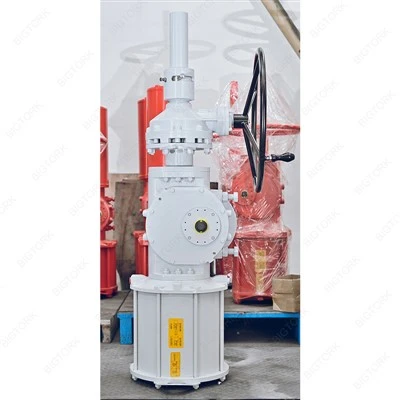
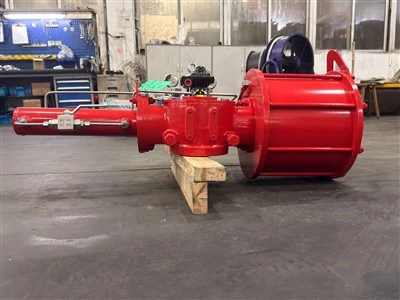
When it comes to high - speed applications, optimizing an air - operated actuator is crucial for achieving peak performance, efficiency, and reliability. As a leading supplier of air - operated actuators, we have extensive experience in tailoring these devices to meet the demanding requirements of high - speed scenarios. This blog will delve into the key aspects of optimizing air - operated actuators for high - speed applications.
Understanding the Basics of Air - Operated Actuators
Air - operated actuators, also known as pneumatic actuators, use compressed air to generate mechanical motion. They are widely used in industrial applications due to their simplicity, cost - effectiveness, and high power - to - weight ratio. In high - speed applications, air - operated actuators are often used in tasks such as valve control, robotic motion, and automated assembly lines.
The basic components of an air - operated actuator include a cylinder, piston, valves, and a control system. The compressed air enters the cylinder and exerts force on the piston, which then moves in a linear or rotary motion. The valves control the flow of air in and out of the cylinder, and the control system regulates the timing and sequence of the actuator's movement.
Key Factors Affecting High - Speed Performance
1. Air Supply
The quality and quantity of the air supply are fundamental to high - speed operation. A sufficient and consistent supply of compressed air is necessary to ensure rapid movement of the actuator. Any fluctuations in air pressure or flow can lead to inconsistent performance, slower operation, and even premature wear of the actuator components.
It is recommended to use a high - flow air compressor capable of providing a stable air supply. Additionally, proper air filtration and regulation are essential to prevent contaminants from entering the actuator and affecting its performance. For example, installing air filters with appropriate micron ratings can prevent dust and debris from damaging the seals and internal components of the actuator.
2. Valve Selection
The valves used in an air - operated actuator play a critical role in high - speed applications. Fast - acting valves are required to quickly control the flow of air in and out of the cylinder. Solenoid valves are a popular choice for high - speed applications as they can be electronically controlled and have fast response times.
When selecting valves, factors such as valve size, actuation time, and flow capacity need to be considered. A valve with a large enough flow capacity is necessary to allow sufficient air to enter and exit the cylinder quickly. Actuation time, which is the time it takes for the valve to open or close, should be minimized to achieve rapid actuator movement.
3. Actuator Design
The design of the actuator itself also impacts high - speed performance. A lightweight and compact design can reduce inertia, allowing the actuator to accelerate and decelerate more quickly. For example, using materials with high strength - to - weight ratios, such as aluminum alloys or carbon fiber composites, can significantly improve the actuator's dynamic performance.

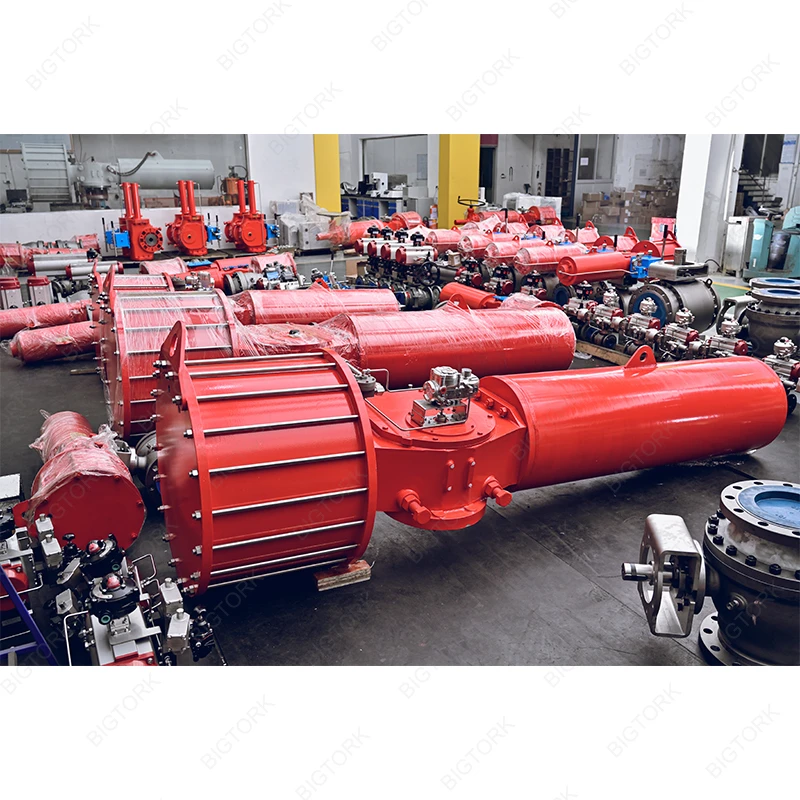
Proper sizing of the actuator is also crucial. An oversized actuator may be too heavy and slow to operate, while an undersized actuator may not generate enough force to perform the required task. The stroke length and bore diameter of the actuator should be carefully selected based on the application's requirements.
Optimization Strategies
1. Reducing Friction
Friction is one of the main factors that can slow down an air - operated actuator. To reduce friction, high - quality lubricants can be used on the moving parts, such as the piston and cylinder walls. Lubricants not only reduce wear but also improve the efficiency of the actuator by minimizing the resistance to motion.
In addition to lubrication, using low - friction seals can also enhance the actuator's performance. Seals made from materials like PTFE (polytetrafluoroethylene) or other advanced polymers have low coefficients of friction and can provide better sealing performance at high speeds.
2. Improving Venting
Efficient venting is essential for high - speed operation. When the actuator moves, the air inside the cylinder needs to be quickly exhausted to allow for rapid retraction or extension. An inadequate venting system can cause a back - pressure, which slows down the actuator's movement.
One way to improve venting is to use large - diameter vent ports or to add additional venting channels to the actuator design. Additionally, anti - cushion valves can be installed to prevent air from being trapped inside the cylinder during high - speed operation.
3. Advanced Control Systems
Implementing advanced control systems can greatly enhance the high - speed performance of air - operated actuators. Programmable logic controllers (PLCs) or motion control systems can precisely regulate the timing and sequence of the actuator's movement.
For example, a PID (Proportional - Integral - Derivative) controller can be used to adjust the air pressure and flow based on the desired speed and position of the actuator. This allows for more accurate and consistent high - speed operation.
Our Product Offerings
As a trusted supplier of air - operated actuators, we offer a wide range of products suitable for high - speed applications. Our Pneumatic Butterfly Valve Actuator is designed with fast - acting valves and a lightweight structure, making it ideal for high - speed valve control applications. The valve can open and close rapidly, ensuring precise flow regulation in industrial processes.
Our Compressed Air Valve Actuator is engineered to handle high - pressure and high - flow air, providing powerful and reliable operation at high speeds. It is widely used in pneumatic systems where quick valve actuation is required.
The Industrial Pneumatic Actuators we offer are built with high - quality materials and advanced manufacturing techniques. They are designed to withstand the rigors of industrial environments and provide consistent performance in high - speed applications.
Our Industrial Valve Actuators are available in various sizes and configurations to meet the diverse needs of different industries. Whether it is a small - scale automated process or a large - scale industrial plant, our actuators can be optimized for high - speed operation.
The Valve Actuator Air products in our portfolio are carefully designed to ensure efficient air flow and rapid actuation. They are equipped with the latest technologies to provide reliable and high - speed valve control.
Conclusion
Optimizing an air - operated actuator for high - speed applications requires a comprehensive approach that considers factors such as air supply, valve selection, actuator design, and control systems. By implementing the strategies mentioned in this blog, you can significantly improve the performance, efficiency, and reliability of your air - operated actuators in high - speed scenarios.
If you are looking for high - quality air - operated actuators for your high - speed applications or need more information on how to optimize your existing actuators, we are here to help. Our team of experts can provide customized solutions based on your specific requirements. Contact us today to start a discussion about your procurement needs and explore how our products can enhance your operations.
References
- "Pneumatic Systems Handbook" by Peter Nachtwey
- "Industrial Automation: Theory and Practice" by B. S. Madan
- Technical papers on pneumatic actuator design and optimization from industry conferences and journals