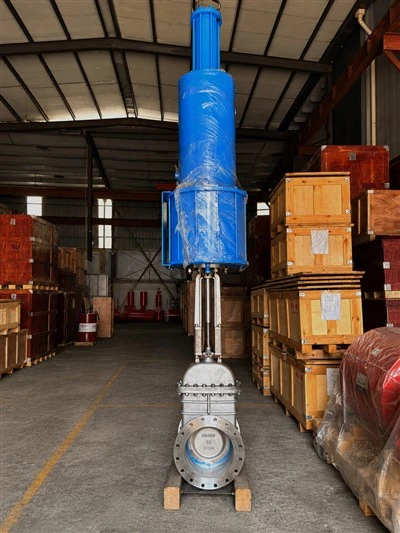
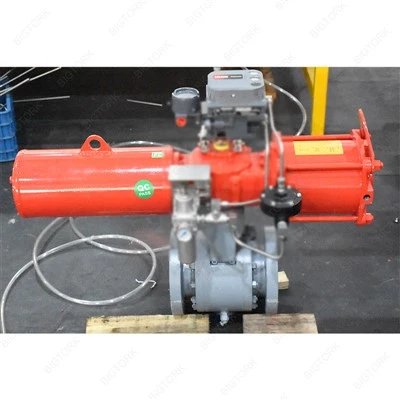
As a supplier of Air Piston Actuators, I understand the critical importance of protecting these devices from dust and debris. Air Piston Actuators are widely used in various industrial applications, including Valve Actuator Air, Industrial Valve Actuators, Air Piston Actuator, Air Operated Actuator, and Compressed Air Valve Actuator. These actuators rely on the smooth movement of pistons within a chamber, and any intrusion of dust or debris can cause significant problems.
Understanding the Risks
Dust and debris can have several detrimental effects on Air Piston Actuators. Firstly, they can cause abrasion to the piston and cylinder walls. As the piston moves back and forth, the dust particles act like sandpaper, gradually wearing down the surfaces. This not only reduces the efficiency of the actuator but also shortens its lifespan. Over time, the increased friction can lead to increased energy consumption as the actuator has to work harder to achieve the same level of performance.
Secondly, dust and debris can clog the air passages within the actuator. These passages are crucial for the proper flow of compressed air, which is what powers the actuator. When they become blocked, the actuator may not receive the correct amount of air pressure, leading to inconsistent operation or even failure. In some cases, the blockage can cause a build - up of pressure, which can damage the actuator components.
Pre - Installation Considerations
Location Selection
One of the first steps in protecting an Air Piston Actuator is to choose an appropriate installation location. Avoid areas with high levels of dust, such as near grinding machines, saws, or conveyor belts that carry dusty materials. If possible, install the actuator in a dedicated enclosure or a cleanroom environment. This will significantly reduce the amount of dust and debris that can reach the actuator.
Air Supply Quality
The quality of the compressed air supply is also crucial. The air should be filtered to remove any dust, dirt, and moisture before it enters the actuator. A high - quality air filter can be installed in the air supply line. The filter should be selected based on the particle size it can capture. For most industrial applications, a filter capable of removing particles as small as 5 microns is recommended. Additionally, a moisture separator can be used to remove water vapor from the compressed air, as moisture can also cause corrosion and damage to the actuator components.
Protective Enclosures
Standard Enclosures
One of the most effective ways to protect an Air Piston Actuator is to install it in a protective enclosure. These enclosures are designed to prevent dust and debris from entering the actuator. They can be made from various materials, such as plastic, aluminum, or stainless steel, depending on the specific application requirements.
Plastic enclosures are lightweight and relatively inexpensive. They are suitable for applications where the actuator is not exposed to harsh chemical environments or high levels of physical stress. Aluminum enclosures offer better durability and corrosion resistance compared to plastic. They are often used in industrial settings where the actuator may be exposed to some degree of mechanical wear. Stainless steel enclosures are the most robust option. They are highly resistant to corrosion and can withstand harsh chemicals and extreme environmental conditions.
Sealed Enclosures
In addition to standard enclosures, sealed enclosures can provide an extra layer of protection. These enclosures are designed to prevent even the smallest particles of dust and debris from entering. They are typically equipped with gaskets and seals around the edges to ensure a tight fit. Sealed enclosures are particularly useful in applications where the actuator is installed in a dusty or dirty environment, such as mining or cement plants.
Maintenance Practices
Regular Cleaning
Regular cleaning of the Air Piston Actuator is essential to prevent the accumulation of dust and debris. The cleaning frequency will depend on the operating environment. In a relatively clean environment, cleaning once every few months may be sufficient. However, in a dusty environment, it may be necessary to clean the actuator weekly or even daily.
When cleaning the actuator, use a soft brush or compressed air to remove any visible dust and debris from the exterior surfaces. Be careful not to damage any of the actuator components, such as the air hoses or electrical connections. For the internal components, it may be necessary to disassemble the actuator and clean them using a suitable cleaning agent. However, this should only be done by a trained technician to avoid causing damage.
Inspection and Replacement of Seals
The seals in an Air Piston Actuator play a vital role in preventing dust and debris from entering the internal components. Over time, these seals can wear out or become damaged. Regular inspection of the seals is necessary to ensure they are in good condition. If any signs of wear or damage are detected, the seals should be replaced immediately.
Lubrication
Proper lubrication of the actuator components can also help protect against dust and debris. Lubrication reduces friction between the moving parts, which in turn reduces the wear caused by dust particles. Use a high - quality lubricant that is compatible with the actuator materials. Follow the manufacturer's recommendations for the type and frequency of lubrication.
Monitoring Systems
Pressure and Flow Sensors
Installing pressure and flow sensors in the air supply line can help monitor the performance of the Air Piston Actuator. Any changes in the pressure or flow rate can indicate a problem, such as a blockage caused by dust or debris. By continuously monitoring these parameters, it is possible to detect issues early and take corrective action before they cause significant damage to the actuator.
Vibration Sensors
Vibration sensors can also be used to monitor the actuator's operation. Excessive vibration can be a sign of a problem, such as a misaligned piston or the presence of dust and debris within the actuator. By detecting abnormal vibrations early, maintenance can be scheduled to prevent further damage.


Conclusion
Protecting an Air Piston Actuator from dust and debris is essential for ensuring its reliable and efficient operation. By following the steps outlined above, including proper location selection, using protective enclosures, implementing regular maintenance practices, and installing monitoring systems, the lifespan of the actuator can be significantly extended.
If you are in the market for high - quality Air Piston Actuators or need more information on protecting them from dust and debris, please contact us for procurement and further discussion.
References
- [Industrial Pneumatic Actuator Handbook]
- [Compressed Air Systems - A Guide to Best Practices]
- [Maintenance and Troubleshooting of Pneumatic Actuators]