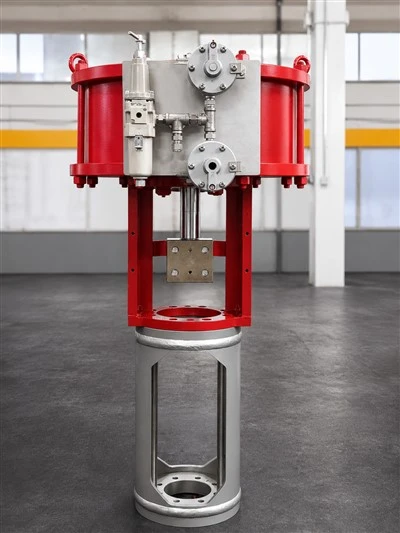
Hey there! I'm a supplier of Air Operated Actuators, and I'm here to chat about something super important - how to lubricate an air operated actuator.
Let's start by understanding why lubrication is such a big deal. An air operated actuator is a crucial part in many industrial setups. It uses compressed air to generate motion, which is then used to control valves or perform other mechanical tasks. Over time, the moving parts in these actuators can experience wear and tear. That's where lubrication steps in. Proper lubrication reduces friction between the parts, which in turn cuts down on wear, extends the actuator's lifespan, and helps it run smoothly.
What You'll Need
Before we jump into the lubrication process, let's talk about what you'll need. First off, you'll need a good quality lubricant. There are different types of lubricants out there, but for air operated actuators, you want one that's specifically designed for pneumatic systems. These lubricants are formulated to work well with the compressed air and the materials in the actuator.
You'll also need some basic tools. A small syringe or oiler is great for getting the lubricant into the right places. And don't forget some clean rags to wipe up any spills and keep things tidy.
Step-by-Step Lubrication Process
Step 1: Safety First
Safety should always be your top priority. Before you start working on the actuator, make sure to turn off the air supply. This will prevent any unexpected movement and keep you safe. You should also relieve the pressure in the system. You can do this by opening the valve slowly to let the compressed air escape.
Step 2: Locate the Lubrication Points
Every air operated actuator has specific lubrication points. These are usually marked on the actuator or mentioned in the user manual. Common lubrication points include the piston, cylinder walls, and any moving joints. Take your time to find these points carefully. If you're not sure, refer to the Industrial Pneumatic Actuators page on our website. It has some great diagrams and information that can help you out.
Step 3: Clean the Lubrication Points
Once you've located the lubrication points, it's a good idea to clean them. Use a clean rag to wipe away any dirt, dust, or old lubricant. This will ensure that the new lubricant can do its job properly. You don't want any contaminants getting mixed in with the fresh lubricant.
Step 4: Apply the Lubricant
Now it's time to apply the lubricant. Use your syringe or oiler to add a small amount of lubricant to each lubrication point. Don't overdo it - just a little bit goes a long way. You want to make sure that all the moving parts are coated, but you don't want to have excess lubricant dripping everywhere.
For the piston and cylinder walls, you can inject the lubricant through the designated ports. For the joints, you can apply the lubricant directly to the moving parts. Make sure to spread it evenly so that it covers all the surfaces.
Step 5: Check for Proper Lubrication
After applying the lubricant, you should check to make sure that it's spreading evenly. You can do this by manually moving the actuator through its normal range of motion. This will help distribute the lubricant and ensure that all the parts are getting the protection they need. If you notice any areas that seem dry or not getting enough lubricant, add a little more.
Step 6: Reconnect the Air Supply
Once you're satisfied with the lubrication, you can reconnect the air supply. Start the system slowly and check for any leaks or unusual noises. If everything seems to be working well, then you're good to go.
Lubrication Frequency
Now, you might be wondering how often you should lubricate your air operated actuator. Well, it depends on a few factors. The operating environment is a big one. If the actuator is in a dirty or dusty environment, it might need more frequent lubrication. The same goes for if it's operating under heavy loads or high pressures.
As a general rule of thumb, you should lubricate your actuator at least once every few months. But it's always a good idea to check the manufacturer's recommendations. They'll have more specific guidelines based on the model of the actuator.
Benefits of Proper Lubrication
Proper lubrication of your air operated actuator brings a whole bunch of benefits. First of all, as I mentioned earlier, it reduces wear and tear. This means that your actuator will last longer, which saves you money in the long run. You won't have to replace it as often.
It also improves the performance of the actuator. With less friction, the actuator can move more smoothly and respond more quickly. This is especially important in applications where precise control is needed, like in Valve Actuator Air systems.
Another benefit is that it reduces the likelihood of breakdowns. When the actuator is well-lubricated, it's less likely to experience problems like jams or seized parts. This means less downtime for your industrial processes, which can have a big impact on productivity.


Troubleshooting Lubrication Issues
Sometimes, even if you follow all the steps, you might still run into some issues. One common problem is over - lubrication. If you apply too much lubricant, it can attract dirt and dust, which can actually cause more problems. If you notice that there's a lot of excess lubricant or dirt buildup around the actuator, you might need to clean it up and reduce the amount of lubricant you're using.
Under - lubrication is another issue. If the actuator starts to make noise or doesn't move as smoothly as it should, it might not be getting enough lubricant. In this case, you should check the lubrication points and add a little more lubricant if needed.
Wrapping Up
Well, that's pretty much everything you need to know about lubricating an air operated actuator. It's an important task that can really make a difference in the performance and lifespan of your actuator. If you have any more questions or if you're looking to purchase a high - quality Air Operated Actuator, Industrial Valve Actuators, or Air Piston Actuator, don't hesitate to reach out. We're here to help you with all your actuator needs and can guide you through the purchasing process. Let's have a chat and see how we can work together to meet your industrial requirements!
References
- Manufacturer's manuals for air operated actuators
- Industry standards for pneumatic system lubrication