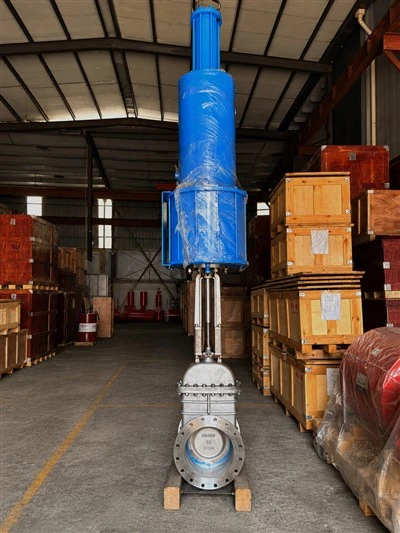
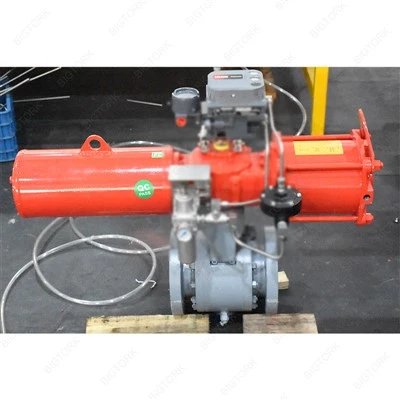
Managing oil temperature fluctuations in a hydraulic Part Turn Actuator is a critical aspect that directly influences its performance, longevity, and reliability. As a reputable Website URL: Part Turn Actuator supplier, we understand the significance of effectively handling these temperature changes to ensure the optimal operation of our hydraulic systems. In this blog post, we will explore the factors contributing to oil temperature variations, the impact of these changes on the actuator, and most importantly, the strategies and best practices to deal with them.
Understanding the Causes of Oil Temperature Changes
Several factors can lead to oil temperature fluctuations in hydraulic Part Turn Actuators. One of the primary causes is the conversion of mechanical energy into heat during the operation of the actuator. When the actuator moves, there is friction between its moving parts, which generates heat. Additionally, the compression and expansion of the hydraulic fluid as it circulates through the system also contribute to temperature rise.


Environmental conditions play a significant role in oil temperature changes. Extreme ambient temperatures, whether hot or cold, can directly affect the temperature of the hydraulic oil. In hot environments, the oil absorbs heat from the surroundings, causing it to heat up. Conversely, in cold conditions, the oil can become too viscous, impeding its flow and increasing the strain on the actuator.
Another factor that can influence oil temperature is the load on the actuator. Higher loads require more energy to move the actuator, resulting in increased heat generation. If the actuator is frequently subjected to heavy loads or operates continuously without sufficient cooling, the oil temperature can rise significantly.
The Impact of Oil Temperature Changes on the Actuator
Fluctuations in oil temperature can have several detrimental effects on a hydraulic Part Turn Actuator. When the oil temperature is too high, it can cause the oil to degrade more rapidly. Oxidation and thermal breakdown of the oil can lead to the formation of sludge, varnish, and other contaminants. These contaminants can clog the hydraulic filters, valves, and orifices, reducing the efficiency of the system and potentially causing component failure.
High oil temperatures can also reduce the viscosity of the oil. Viscosity is a crucial property of hydraulic oil as it affects the lubrication of the moving parts and the sealing performance of the system. When the oil viscosity decreases, there is an increased risk of metal-to-metal contact between the actuator components, leading to wear and tear. This can result in reduced actuator performance, increased maintenance requirements, and ultimately, a shorter lifespan of the actuator.
On the other hand, low oil temperatures can cause the oil to become too thick. This can make it difficult for the oil to flow through the hydraulic system, increasing the pressure drop and reducing the responsiveness of the actuator. In extreme cases, the thick oil can even cause the actuator to stall or fail to operate properly.
Strategies to Deal with Oil Temperature Changes
Cooling Systems
One of the most effective ways to manage oil temperature in a hydraulic Part Turn Actuator is to install a cooling system. There are several types of cooling systems available, including air-cooled and water-cooled systems.
Air-cooled systems use a fan to blow air over a heat exchanger, which transfers the heat from the hydraulic oil to the surrounding air. These systems are relatively simple and cost-effective, making them a popular choice for many applications. However, their cooling capacity is limited, and they may not be suitable for high-heat applications or in environments with high ambient temperatures.
Water-cooled systems, on the other hand, use water as a cooling medium. The hydraulic oil is circulated through a heat exchanger, where it transfers heat to the water. The heated water is then cooled by a cooling tower or a radiator. Water-cooled systems offer higher cooling capacities than air-cooled systems and are more efficient in removing heat from the oil. However, they are more complex and require a reliable water supply, which may not be available in all locations.
Oil Selection
Choosing the right hydraulic oil is crucial for managing oil temperature changes. The oil should have a high viscosity index, which means its viscosity changes minimally with temperature variations. This ensures that the oil maintains its lubricating properties and sealing performance over a wide range of temperatures.
Synthetic hydraulic oils are often preferred for applications where temperature fluctuations are significant. They offer better thermal stability and oxidation resistance than mineral oils, which means they can withstand higher temperatures without degrading. Synthetic oils also have a lower pour point, which allows them to flow more easily at low temperatures.
Regular Maintenance
Regular maintenance is essential for ensuring the proper operation of a hydraulic Part Turn Actuator and managing oil temperature changes. This includes monitoring the oil temperature regularly using a thermometer or a temperature sensor. If the oil temperature exceeds the recommended range, appropriate action should be taken immediately.
Changing the hydraulic oil and filters at regular intervals is also crucial. Over time, the oil can become contaminated with dirt, debris, and other contaminants, which can affect its performance and increase the risk of overheating. By replacing the oil and filters regularly, you can ensure that the oil remains clean and free of contaminants, which helps to maintain its cooling properties.
Inspecting the actuator for leaks and damage is another important aspect of maintenance. Leaks can cause the hydraulic oil to lose pressure, which can lead to increased friction and heat generation. Damaged components, such as seals and valves, can also affect the performance of the actuator and contribute to oil temperature changes. By identifying and fixing these issues early, you can prevent more serious problems from occurring.
System Design
Proper system design can also help to minimize oil temperature changes in a hydraulic Part Turn Actuator. This includes sizing the hydraulic components correctly to ensure that they can handle the expected load and flow requirements. Oversized components can lead to inefficiencies and increased heat generation, while undersized components can cause the system to operate at higher pressures, which also generates more heat.
Using a proper piping layout is also important. The pipes should be sized correctly to minimize pressure drop and ensure smooth flow of the hydraulic oil. Avoiding sharp bends and restrictions in the piping can help to reduce friction and heat generation.
Monitoring and Control
Implementing a monitoring and control system can provide real-time information about the oil temperature and allow for timely adjustments. Temperature sensors can be installed in the hydraulic system to measure the oil temperature at various points. The data collected by these sensors can be transmitted to a control panel or a monitoring device, where it can be analyzed and used to make informed decisions.
Based on the temperature readings, the control system can automatically adjust the cooling system or other parameters to maintain the oil temperature within the desired range. For example, if the oil temperature is too high, the control system can increase the speed of the cooling fan or open a valve to allow more cooling water to flow through the heat exchanger.
Conclusion
Managing oil temperature changes in a hydraulic Part Turn Actuator is a multifaceted process that requires a combination of proper design, selection of appropriate components, regular maintenance, and effective monitoring and control. By understanding the causes and effects of oil temperature fluctuations and implementing the strategies outlined in this blog post, you can ensure the optimal performance and reliability of your hydraulic actuators.
At our company, we are committed to providing high-quality Website URL: Part Turn Actuator and related products to meet your specific needs. Our extensive range of actuators includes Website URL: Pneumatic Single-Acting Actuator With Bevel Gear Drive, Website URL: Angular Actuator, Website URL: Rotary Piston Actuator, and Website URL: Pneumatic Quarter-Turn Valve Actuator. If you are interested in learning more about our products or need assistance with managing oil temperature in your hydraulic systems, please feel free to contact us for a discussion about your procurement requirements.
References
- "Hydraulic System Design Handbook" by Eaton Corporation
- "Fluid Power Technology" by Festo Didactic