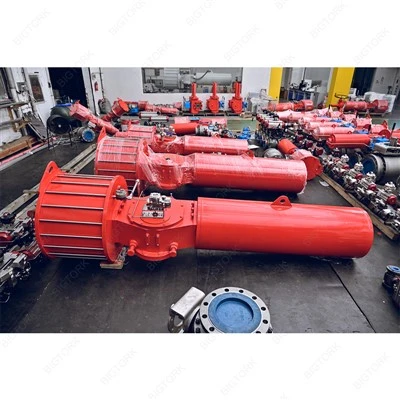
As a supplier of Actuator Scotch Yoke, I've witnessed firsthand the critical role these devices play in various industrial applications. The Actuator Scotch Yoke is a remarkable mechanism that converts linear motion into rotary motion, making it ideal for use in valve control systems. However, like any mechanical component, it is not immune to failures. In this blog post, I'll delve into the common failures of an Actuator Scotch Yoke, providing insights into their causes and potential solutions.
1. Wear and Tear
One of the most prevalent issues with Actuator Scotch Yokes is wear and tear. The constant movement of the yoke and the pin within the mechanism leads to friction, which can gradually erode the surfaces. Over time, this wear can cause the components to lose their precision, resulting in reduced efficiency and performance.
The primary cause of wear and tear is the lack of proper lubrication. Without adequate lubrication, the friction between the moving parts increases, accelerating the wear process. Additionally, operating the actuator in harsh environments, such as those with high temperatures, dust, or chemicals, can also exacerbate the problem.
To mitigate wear and tear, regular maintenance is essential. This includes checking the lubrication levels and replenishing them as needed. Using high - quality lubricants that are suitable for the operating conditions can significantly extend the lifespan of the actuator. It is also important to keep the actuator clean and protected from environmental contaminants.
2. Misalignment
Misalignment is another common failure mode of Actuator Scotch Yokes. When the actuator is not properly aligned, it can cause uneven stress on the components, leading to premature wear and potential damage. Misalignment can occur during installation if the actuator is not mounted correctly or if the piping connected to the valve is not properly aligned.
The consequences of misalignment can be severe. It can cause the yoke to bind, resulting in reduced torque output and difficulty in controlling the valve. In extreme cases, misalignment can even cause the actuator to fail completely.
To prevent misalignment, it is crucial to follow the manufacturer's installation guidelines carefully. This includes ensuring that the actuator is mounted on a flat and stable surface and that all the connections are properly tightened. During the installation process, use alignment tools to ensure that the actuator is perfectly aligned with the valve.
3. Corrosion
Corrosion is a significant concern, especially for Actuator Scotch Yokes used in outdoor or corrosive environments. The presence of moisture, chemicals, or salt in the air can cause the metal components of the actuator to rust and corrode. Corrosion weakens the structural integrity of the actuator, making it more prone to failure.
The effects of corrosion can be gradual but ultimately lead to the breakdown of critical components. For example, corrosion on the yoke or the pin can cause them to become brittle and break, rendering the actuator inoperable.
To combat corrosion, the use of corrosion - resistant materials is recommended. Stainless steel or coated metals can provide better protection against corrosion. Applying protective coatings on the actuator surfaces can also help to prevent direct contact with corrosive substances. Additionally, regular inspections and maintenance to identify and address early signs of corrosion are essential.
4. Seal Failure
Seals play a crucial role in the Actuator Scotch Yoke, as they prevent the leakage of fluid or air from the actuator. Seal failure can occur due to several reasons, including aging, improper installation, or exposure to harsh chemicals.
When a seal fails, it can lead to a loss of pressure within the actuator, which in turn reduces its ability to generate the necessary torque. Leakage can also contaminate the surrounding environment, posing safety risks and potentially damaging other equipment.
To prevent seal failure, it is important to use high - quality seals that are compatible with the operating conditions. During installation, ensure that the seals are properly seated and not damaged. Regularly inspect the seals for signs of wear or damage and replace them as needed.
5. Overloading
Overloading the Actuator Scotch Yoke can cause significant damage to the mechanism. If the actuator is required to operate beyond its rated capacity, it can lead to excessive stress on the components, causing them to fail. Overloading can occur due to factors such as improper valve sizing, sudden changes in pressure, or incorrect selection of the actuator for the application.
The consequences of overloading can be catastrophic. It can cause the yoke to break, the pin to shear, or the motor to burn out. In addition to the immediate failure of the actuator, overloading can also lead to increased maintenance costs and downtime.
To avoid overloading, it is essential to select the appropriate actuator for the specific application. Consider factors such as the torque requirements, operating pressure, and temperature range when choosing an actuator. Regularly monitor the operating conditions of the actuator to ensure that it is not being overloaded.
Our Product Offerings
At our company, we understand the importance of reliable Actuator Scotch Yoke systems. That's why we offer a wide range of high - quality products, including Heavy Duty Rotary Actuator, Heavy Duty Actuator, Double Acting Actuator, Scotch Yoke Type Actuator, and Scotch Yoke Valve Actuator. Our actuators are designed to meet the highest industry standards and are built to withstand the rigors of various industrial applications.
Contact Us for Procurement
If you are in the market for a reliable Actuator Scotch Yoke, we invite you to contact us for procurement discussions. Our team of experts is ready to assist you in selecting the right product for your specific needs. We can provide detailed product information, technical support, and competitive pricing. Don't hesitate to reach out to us and take the first step towards a more efficient and reliable valve control system.


References
- "Mechanical Design Handbook" by Robert C. Juvinall and Kurt M. Marshek
- "Valve Handbook: Principles and Applications" by Dietrich Stoetzel and John P. Fay