Can a Rotary Piston Actuator be used in explosive environments?
Explosive environments demand a high level of safety and reliability from the equipment deployed within them. As a leading provider of Rotary Piston Actuators, we are often asked whether our actuators can be utilized in such challenging settings. In this blog post, we'll explore the factors involved in using rotary piston actuators in explosive atmospheres, the precautions that need to be taken, and the available solutions.
Understanding Explosive Environments
Explosive environments are areas where explosive atmospheres may occur due to the presence of flammable gases, vapors, mists, or dusts. These environments are regulated by strict safety standards, such as the ATEX (Atmosphères Explosibles) directive in Europe and the NEC (National Electrical Code) in the United States. The classification of explosive environments is based on the likelihood and duration of the presence of an explosive atmosphere, and it generally falls into zones for gases and dusts.


Challenges of Using Actuators in Explosive Environments
When it comes to using actuators in explosive environments, several challenges need to be addressed:
- Ignition Sources: Actuators can potentially generate ignition sources, such as sparks, heat, or arcs. In an explosive atmosphere, even a small spark can trigger an explosion. Therefore, it is crucial to eliminate or minimize the risk of ignition from the actuator.
- Sealing and Containment: The actuator must be properly sealed to prevent the ingress of flammable substances. Any leakage from the actuator could form an explosive mixture in the surrounding environment.
- Material Compatibility: The materials used in the actuator must be compatible with the explosive substances present in the environment. Some materials may react with flammable gases or dusts, leading to corrosion or the generation of hazardous by - products.
- Electrical Safety: If the actuator is electrically powered, it must comply with strict electrical safety standards to prevent electrical sparks or overheating.
Rotary Piston Actuators: A Viable Option?
Rotary piston actuators offer several advantages that make them a potential option for use in explosive environments:
Pneumatic Operation
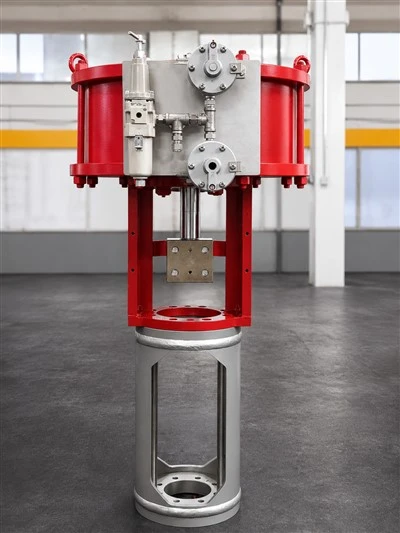
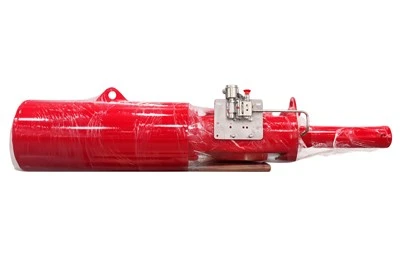
Most of our rotary piston actuators are pneumatically powered. Pneumatic systems typically have fewer ignition risks compared to electrical systems. Since they rely on compressed air to operate, there are no electrical contacts that can generate sparks. For example, our Pneumatic Single - Acting Actuator With Bevel Gear Drive and Pneumatic Quarter - Turn Valve Actuator are designed with a focus on pneumatic efficiency and safety.
Robust Design
Rotary piston actuators are known for their robust and compact design. This design can be easily adapted to meet the requirements of explosive environments. The actuators can be enclosed in explosion - proof housings to prevent the release of any potential ignition sources. Our Angular Actuator is a prime example of a well - designed actuator that can be modified for use in harsh conditions.
Precautions and Modifications
To ensure the safe use of rotary piston actuators in explosive environments, several precautions and modifications can be implemented:
- Explosion - Proof Enclosures: The actuator can be housed in a specially designed explosion - proof enclosure. This enclosure is designed to contain any explosion that may occur inside the actuator and prevent it from propagating to the surrounding environment.
- Sealing Enhancements: High - quality seals can be used to prevent the ingress of flammable substances into the actuator. These seals are designed to withstand the harsh conditions of explosive environments and maintain their integrity over time.
- Material Selection: The materials used in the actuator are carefully selected to be compatible with the explosive substances present in the environment. Non - sparking materials can be used for components that may come into contact with flammable substances.
- Certifications: Our rotary piston actuators can be certified to meet the relevant safety standards for explosive environments. Certifications such as ATEX and IECEx provide assurance that the actuator has been tested and approved for use in specific explosive atmospheres.
Case Studies and Real - World Applications
There are numerous real - world applications where rotary piston actuators have been successfully used in explosive environments. For example, in the oil and gas industry, actuators are used to control valves in offshore platforms and refineries. These environments are highly explosive, and the actuators need to operate reliably without posing any risk of ignition. Our Compact Pneumatic Quarter - Turn Actuator has been used in such applications, providing precise control and high - level safety.
Conclusion
In conclusion, rotary piston actuators can be used in explosive environments with the right precautions and modifications. Pneumatic operation, robust design, and the ability to implement safety features make them a viable option for these challenging settings. As a supplier, we are committed to providing actuators that meet the highest safety standards and can be customized to suit the specific requirements of explosive environments.
If you are considering using rotary piston actuators in an explosive environment, we encourage you to contact us for a detailed discussion. Our team of experts can help you select the right actuator, understand the necessary safety measures, and ensure a smooth procurement process. We look forward to working with you to find the best solutions for your application.
References
- ATEX Directive 2014/34/EU
- National Electrical Code (NEC)
- IECEx System for Certification to Standards Relating to Equipment for Use in Explosive Atmospheres