Hey there! As a supplier of Air Piston Actuators, I often get asked about the noise level of these actuators during operation. It's a valid concern, especially in industrial settings where noise can be a nuisance and potentially a health hazard. In this blog post, I'll dive into the factors that affect the noise level of an Air Piston Actuator and give you a better understanding of what to expect.
What is an Air Piston Actuator?
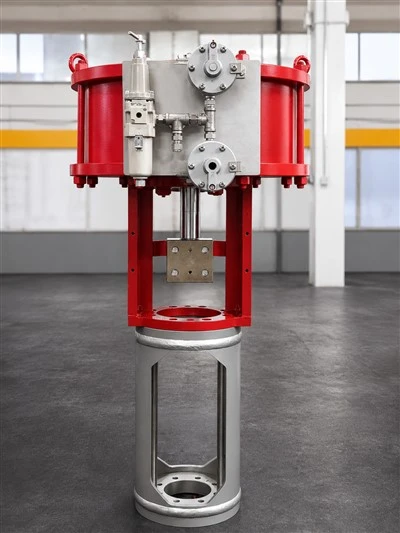
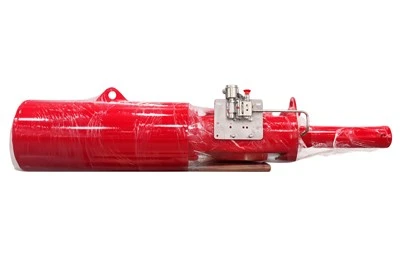
Before we get into the noise level, let's quickly go over what an Air Piston Actuator is. An Air Piston Actuator is a type of Air Operated Actuator that uses compressed air to move a piston, which in turn moves a valve or other mechanical device. These actuators are commonly used in industrial applications, such as in manufacturing plants, refineries, and water treatment facilities.
Factors Affecting Noise Level
Several factors can affect the noise level of an Air Piston Actuator during operation. Let's take a look at some of the most important ones:
Air Pressure
The air pressure used to operate the actuator is one of the main factors that can affect the noise level. Higher air pressures generally result in louder noise levels. This is because the higher the pressure, the more force is applied to the piston, which can cause it to move more rapidly and generate more noise.
Piston Design
The design of the piston can also have an impact on the noise level. Pistons with a smooth surface and a well-designed seal tend to produce less noise than those with a rough surface or a poorly fitting seal. Additionally, pistons that are properly lubricated can also help reduce noise.
Valve Size and Type
The size and type of the valve that the actuator is operating can also affect the noise level. Larger valves generally require more force to operate, which can result in higher noise levels. Additionally, certain types of valves, such as butterfly valves, may produce more noise than others.
Mounting and Installation
The way the actuator is mounted and installed can also have an impact on the noise level. If the actuator is not properly mounted or if there is excessive vibration, it can cause the actuator to produce more noise. Additionally, if the piping and fittings are not properly sized or installed, it can also contribute to the noise level.


Typical Noise Levels
So, what kind of noise levels can you expect from an Air Piston Actuator? Well, it really depends on the factors we discussed above. In general, the noise level of an Air Piston Actuator can range from around 60 decibels (dB) to over 90 dB.
To put these numbers into perspective, 60 dB is about the same level as normal conversation, while 90 dB is about as loud as a lawnmower. Prolonged exposure to noise levels above 85 dB can cause hearing damage, so it's important to take appropriate precautions if you're working in an environment where Air Piston Actuators are being used.
Reducing Noise Levels
If you're concerned about the noise level of an Air Piston Actuator, there are several things you can do to reduce it. Here are some tips:
Use a Silencer
One of the easiest ways to reduce the noise level of an Air Piston Actuator is to use a silencer. A silencer is a device that is installed on the exhaust port of the actuator to reduce the noise produced by the escaping air. Silencers are available in a variety of sizes and designs, so you can choose one that is appropriate for your application.
Choose the Right Air Pressure
As we mentioned earlier, the air pressure used to operate the actuator can have a big impact on the noise level. By choosing the right air pressure for your application, you can help reduce the noise level. In general, it's best to use the lowest air pressure that will still allow the actuator to operate properly.
Optimize the Piston Design
Choosing an actuator with a well-designed piston can also help reduce the noise level. Look for pistons with a smooth surface and a well-fitting seal. Additionally, make sure the piston is properly lubricated to reduce friction and noise.
Proper Mounting and Installation
Proper mounting and installation of the actuator can also help reduce the noise level. Make sure the actuator is securely mounted and that there is no excessive vibration. Additionally, make sure the piping and fittings are properly sized and installed to prevent any air leaks or other issues that could contribute to the noise level.
Conclusion
In conclusion, the noise level of an Air Piston Actuator during operation can vary depending on several factors, including air pressure, piston design, valve size and type, and mounting and installation. By understanding these factors and taking appropriate precautions, you can help reduce the noise level and create a safer and more comfortable working environment.
If you're in the market for an Air Piston Actuator or any other type of Industrial Valve Actuators, we're here to help. We offer a wide range of high-quality actuators, including Compressed Air Valve Actuator and Pneumatic Butterfly Valve Actuator. Our team of experts can help you choose the right actuator for your application and provide you with all the support and guidance you need. So, don't hesitate to get in touch with us to start a procurement discussion.
References
- Pneumatic Handbook, various industry publications
- Manufacturer's specifications for Air Piston Actuators