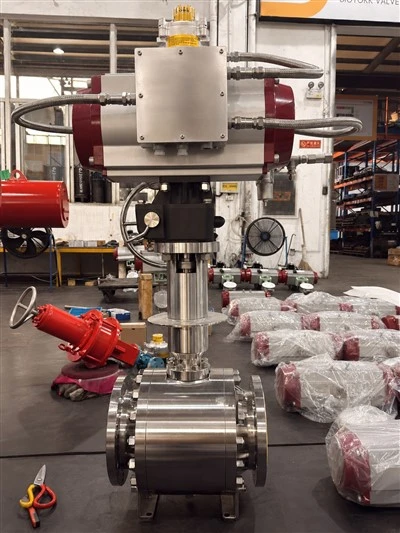
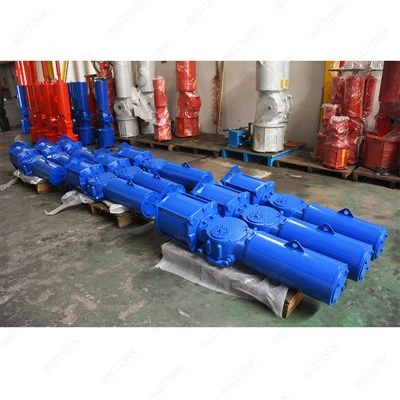
Can pneumatic linear actuators be used in a multi - axis system? That's a question I get asked a lot as a supplier of pneumatic linear actuators. And the short answer is yes, they absolutely can! But let's dive deeper into this topic to understand how and why.
How Pneumatic Linear Actuators Work
First off, let's quickly go over what pneumatic linear actuators are. These nifty devices use compressed air to generate linear motion. You've got a piston inside a cylinder, and when you send compressed air into the cylinder, it pushes the piston, and that's how you get the linear movement.
The reason I'm so into these is that they're simple, reliable, and cost - effective. They don't need a lot of maintenance, and they can handle a good amount of force depending on the model. For instance, our High Thrust Linear Actuator is designed to provide a powerful push, perfect for applications that need a bit more oomph.
Why Use Pneumatic Linear Actuators in a Multi - Axis System
Now, why would you want to use pneumatic linear actuators in a multi - axis system? Well, multi - axis systems are all about moving things in multiple directions, like in a robotic arm or a CNC machine. Pneumatic linear actuators are great for this because they can be easily controlled and synchronized.
One of the best things about them is their speed. They can move quickly, which is super useful when you need to complete tasks in a short amount of time. Also, they're pretty compact. You can fit them into tight spaces, which is a huge plus in a complex multi - axis setup.
Let's say you're building a pick - and - place robotic system. You need to move an object horizontally and vertically. Pneumatic linear actuators can be used on different axes to achieve this. Our ZSS300 Pneumatic Linear Actuator is a versatile option that can be integrated into such systems. It's easy to install and can work smoothly with other components.
Challenges and Solutions
But of course, it's not all sunshine and rainbows. There are some challenges when using pneumatic linear actuators in a multi - axis system. One big challenge is precision. Compressed air can be a bit inconsistent, which can lead to less accurate movements compared to some other types of actuators.
However, we've got solutions for that. We've developed advanced control systems that can regulate the air pressure more precisely. This helps to ensure that the actuators move exactly where you want them to. For example, our FC Linear Pneumatic Actuator comes with a control mechanism that allows for fine - tuning of the actuator's movement.
Another challenge is environmental conditions. In harsh environments, dust, water, and other contaminants can damage the actuators. That's where our Ip68 Linear Actuator shines. It's designed to be waterproof and dust - proof, so it can work reliably even in tough conditions.
Integration into a Multi - Axis System
When it comes to integrating pneumatic linear actuators into a multi - axis system, there are a few key steps. First, you need to figure out the layout. You have to decide how many axes you need and where each actuator will be placed.
Next, you need to select the right actuators for the job. You'll want to consider factors like the force required, the speed of movement, and the precision needed. Our team can help you with this selection process. We've got a wide range of actuators, including the Side - Ported Single - Acting Linear Pneumatic Actuator, which is great for certain types of multi - axis applications.
Once you've selected the actuators, you need to install them. This usually involves mounting them securely and connecting them to the air supply and control system. It's important to follow the installation instructions carefully to ensure everything works properly.
Real - World Applications
There are plenty of real - world applications where pneumatic linear actuators are used in multi - axis systems. In the automotive industry, they're used in assembly lines. Robots with multi - axis systems can use pneumatic linear actuators to pick up parts, move them around, and assemble them.
In the food and beverage industry, these actuators are used in packaging machines. They can move products along the conveyor belt, open and close packaging, and perform other tasks. The ability to work in a multi - axis system allows for more complex and efficient packaging processes.


Cost - Effectiveness
One of the major advantages of using pneumatic linear actuators in a multi - axis system is cost - effectiveness. Compared to some other types of actuators, like electric ones, pneumatic actuators are generally cheaper to purchase. They also have lower operating costs because compressed air is relatively inexpensive.
Maintenance costs are also lower. Since they have fewer moving parts, there's less that can go wrong. And when something does need to be fixed, the parts are usually easy to replace.
Contact Us for Your Multi - Axis System Needs
If you're thinking about using pneumatic linear actuators in your multi - axis system, we're here to help. We've got the expertise and the products to make your project a success. Whether you need a single actuator or a whole set for a complex multi - axis system, we can provide you with the right solutions.
Don't hesitate to reach out to us to discuss your requirements. We can offer advice on actuator selection, system integration, and more. Let's work together to build the perfect multi - axis system for your application.
References
- "Pneumatic Actuators: Principles and Applications" - A technical guide on pneumatic actuators and their uses.
- Industry reports on the use of pneumatic actuators in multi - axis systems in manufacturing sectors.