


The pressure range of an Air Piston Actuator is a critical factor that significantly influences its performance and applications. As a prominent supplier of Air Piston Actuators, understanding and communicating these technical details is essential for us to meet the diverse needs of our customers.
Pressure Basics in Air Piston Actuators
An Air Piston Actuator operates on the principle of using compressed air to move a piston within a cylinder. The force generated by the compressed air acting on the piston is then translated into mechanical motion, which can be used to control valves, open and close mechanisms, or perform other industrial tasks. The pressure range is defined by the minimum and maximum pressure values that the actuator can safely and effectively handle.
Minimum Operating Pressure
The minimum operating pressure is the lowest pressure at which the Air Piston Actuator can start to move and perform its intended function. This value is determined by several factors, including the design of the actuator, the friction within the system, and the load it needs to overcome. For example, in a simple valve - control application, if the minimum operating pressure is not reached, the valve may not open or close properly. Our Air Piston Actuators are engineered to have relatively low minimum operating pressures, typically starting from around 20 - 30 psi (pounds per square inch). This low threshold allows for more flexibility in different pneumatic systems, especially those with limited air pressure availability.
Maximum Operating Pressure
On the other end of the spectrum, the maximum operating pressure is the highest pressure that the actuator can withstand without suffering damage. Exceeding this limit can lead to several issues, such as seal failure, piston deformation, or even structural damage to the actuator body. Our products are designed to handle high - pressure environments, and the maximum operating pressure can range up to 150 - 200 psi, depending on the specific model and construction. High - pressure capabilities make our Air Piston Actuators suitable for demanding industrial applications where large forces are required to operate valves or other equipment.
Factors Affecting the Pressure Range
Several factors can affect the pressure range of an Air Piston Actuator.
- Seal Material: The type of seal used in the actuator plays a crucial role in determining the pressure range. High - quality seals made from materials like nitrile or Viton can withstand higher pressures and are more resistant to wear and tear. Our actuators are equipped with advanced seal materials that ensure reliable performance over a wide pressure range.
- Piston Size and Design: A larger piston area can generate more force at a given pressure, but it also requires a higher pressure to start moving. The design of the piston, including its shape and surface finish, can also affect the friction within the cylinder, thereby influencing the minimum and maximum operating pressures.
- Actuator Body Material: The material of the actuator body must be able to withstand the internal pressure without deforming. Common materials include aluminum, stainless steel, and cast iron. Different materials have different strength properties, which directly impact the maximum pressure the actuator can handle.
Applications and Pressure Requirements
The pressure range of an Air Piston Actuator determines its suitability for various applications.
- Valve Control: In valve control applications, the pressure range needs to be carefully selected based on the type of valve and the operating conditions. For example, Valve Actuator Air is often used to control the flow of fluids in pipelines. Small - bore valves may require lower pressures, while large - diameter valves may need higher pressures to overcome the seating force. Our Air Piston Actuators cover a wide range of pressure requirements, making them suitable for different types of valves, including Pneumatic Butterfly Valve Actuator.
- Industrial Automation: In industrial automation systems, Air Piston Actuators are used to perform tasks such as material handling, robotic arm movement, and machine tool operation. These applications often require precise control of the actuator's movement, which is closely related to the pressure range. Our high - performance actuators can provide accurate and reliable motion control, making them ideal for Industrial Valve Actuators in automated production lines.
- Safety - Critical Applications: In safety - critical applications, such as emergency shut - off valves, the pressure range must be carefully specified to ensure reliable operation under all conditions. Our Air Piston Actuators are designed and tested to meet the strictest safety standards, providing a high level of confidence in critical situations.
Selecting the Right Pressure Range
When selecting an Air Piston Actuator, it is crucial to consider the specific pressure requirements of the application. Here are some steps to follow:
- Identify the Load: Determine the force required to move the load, such as the torque needed to open a valve or the force required to move a mechanical component. This will help you estimate the minimum pressure needed.
- Evaluate the Operating Environment: Consider factors such as temperature, humidity, and the presence of corrosive substances. These factors can affect the performance and durability of the actuator, and may require adjustments to the pressure range.
- Consult with Experts: If you are unsure about the pressure requirements, our team of experts is available to provide technical support and guidance. We can help you select the most suitable Air Operated Actuator based on your specific needs.
Conclusion
The pressure range of an Air Piston Actuator is a key parameter that determines its performance, reliability, and suitability for different applications. As a leading supplier of Air Piston Actuator, we are committed to providing high - quality products with a wide range of pressure capabilities. Whether you need an actuator for a simple valve control or a complex industrial automation system, we have the expertise and products to meet your requirements.
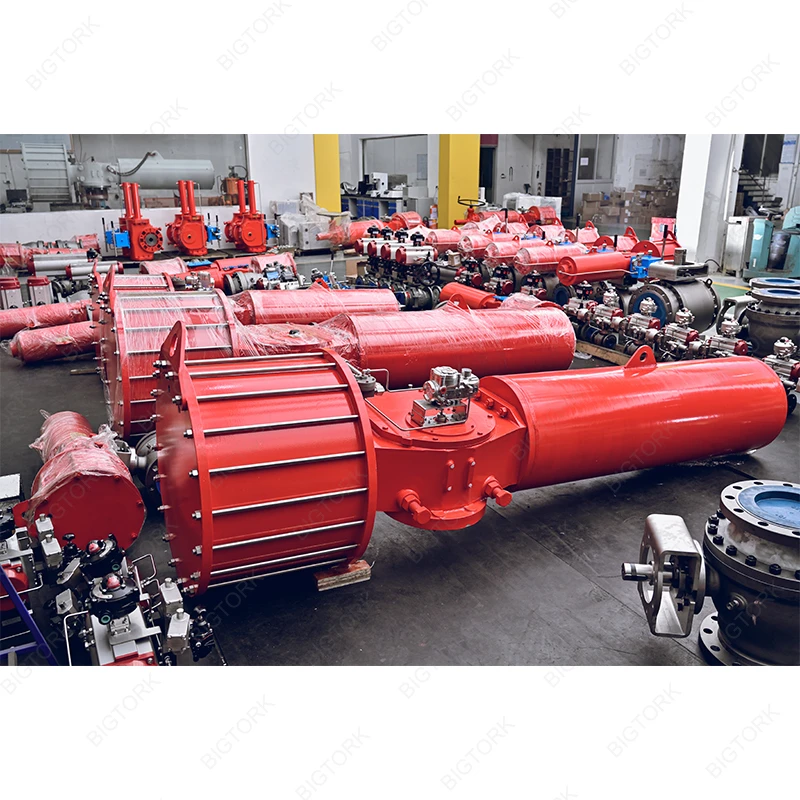

If you are interested in learning more about our Air Piston Actuators or have specific project needs, we encourage you to reach out to us for further discussions. Our team is ready to assist you in selecting the right actuator and ensuring a successful implementation.
References
- "Pneumatic Actuator Handbook" - A comprehensive guide on the principles and applications of pneumatic actuators.
- Industry standards and specifications related to air piston actuators.


