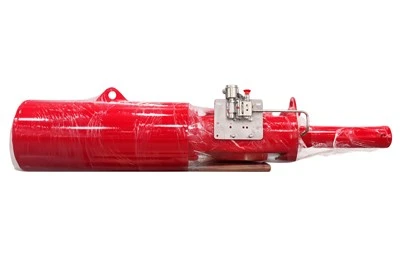
Hydraulic actuators are essential components in various industrial applications, offering precise control and powerful motion. As a dedicated hydraulic actuator supplier, we understand the importance of being able to adjust the speed of these devices to meet the specific requirements of different operations. In this blog post, we'll explore the key methods and considerations for adjusting the speed of a hydraulic actuator.
Understanding Hydraulic Actuators
Before we delve into speed adjustment, let's briefly recap what hydraulic actuators are. A hydraulic actuator uses pressurized hydraulic fluid to generate linear or rotary motion. They are commonly used in machinery where high force and precise control are needed, such as in manufacturing, construction, and aerospace industries. There are different types of hydraulic actuators available on the market, including Quarter - Turn Hydraulic Actuator, Butterfly Valve Hydraulic Actuator, Single Acting Hydraulic Actuator, and Corrosion - Resistant Quarter - Turn Hydraulic Actuator. Each type has its own characteristics and applications, but the principles of speed adjustment generally apply across the board.
Key Factors Affecting Actuator Speed
The speed of a hydraulic actuator is primarily determined by two main factors: the flow rate of the hydraulic fluid and the load on the actuator.
Flow Rate
The flow rate of the hydraulic fluid is the volume of fluid that passes through the system per unit of time. A higher flow rate means more fluid is available to move the actuator, resulting in a faster speed. Conversely, a lower flow rate will slow down the actuator. The flow rate can be controlled by adjusting the pump output or by using flow control valves in the hydraulic circuit.
Load
The load on the actuator also plays a crucial role in determining its speed. When the actuator is moving a heavy load, it requires more force to overcome the resistance, which can slow down its movement. To maintain a consistent speed under varying loads, you may need to adjust the pressure and flow rate of the hydraulic system accordingly.


Methods for Adjusting Actuator Speed
Now that we understand the key factors affecting actuator speed, let's look at the different methods for adjusting it.
Using Flow Control Valves
Flow control valves are one of the most common ways to adjust the speed of a hydraulic actuator. These valves regulate the amount of fluid flowing to the actuator, thereby controlling its speed. There are two main types of flow control valves: non - compensating and compensating.
Non - compensating flow control valves simply restrict the flow of fluid based on the valve setting. However, they do not account for changes in pressure or load, which means the actuator speed may vary under different operating conditions. Compensating flow control valves, on the other hand, are designed to maintain a constant flow rate regardless of pressure changes. This makes them more suitable for applications where precise speed control is required.
Adjusting Pump Output
If your hydraulic system uses a variable - displacement pump, you can adjust the actuator speed by changing the pump output. Variable - displacement pumps allow you to vary the amount of fluid they deliver based on the system requirements. By increasing or decreasing the pump displacement, you can directly control the flow rate of the hydraulic fluid and, consequently, the speed of the actuator. This method is particularly useful when you need to adjust the speed over a wide range.
Using a Pressure - Compensated Flow Valve
In some applications, you may encounter situations where the load on the actuator changes frequently. In such cases, a pressure - compensated flow valve can be used. This type of valve maintains a constant flow rate by automatically adjusting the valve opening in response to changes in pressure. By using a pressure - compensated flow valve, you can ensure that the actuator speed remains consistent even when the load varies.
Considerations for Speed Adjustment
When adjusting the speed of a hydraulic actuator, there are several important considerations to keep in mind.
System Safety
Safety should always be the top priority when working with hydraulic systems. Before making any adjustments, make sure the system is shut down and depressurized. Follow all safety procedures and guidelines provided by the equipment manufacturer.
Compatibility
Ensure that any adjustments you make are compatible with the overall hydraulic system. Changes in flow rate or pressure can affect other components in the system, so it's important to consider the entire system's performance when making speed adjustments.
Maintenance
Regular maintenance is essential to keep your hydraulic actuator operating at its best. Clean and inspect the system components regularly, and replace any worn or damaged parts as needed. Proper maintenance can help prevent issues that may affect actuator speed and performance.
Real - World Applications
Let's look at some real - world applications where adjusting the speed of a hydraulic actuator is crucial.
Manufacturing
In manufacturing processes, hydraulic actuators are used to control the movement of machinery, such as presses and conveyor systems. By adjusting the actuator speed, manufacturers can optimize the production process, improve efficiency, and ensure product quality.
Construction
In construction equipment, hydraulic actuators are used to control the movement of booms, buckets, and other components. Adjusting the actuator speed allows operators to perform tasks more precisely and safely, especially in tight spaces or when working with delicate materials.
Aerospace
In the aerospace industry, hydraulic actuators are used in aircraft landing gear, flight control surfaces, and other critical systems. Precise speed adjustment is essential to ensure safe and reliable operation of these systems.
Conclusion
Adjusting the speed of a hydraulic actuator is an important aspect of ensuring optimal performance in various industrial applications. By understanding the key factors affecting actuator speed and using the appropriate adjustment methods, you can achieve precise control and improve the efficiency of your hydraulic system. As a leading hydraulic actuator supplier, we are committed to providing high - quality products and expert advice to help you get the most out of your equipment.
If you're interested in learning more about our hydraulic actuators or need assistance with speed adjustment or any other aspect of your hydraulic system, we encourage you to contact us for a detailed discussion. Our team of experienced professionals is ready to help you find the best solutions for your specific needs.
References
- "Hydraulic Systems: Design and Application" by Peter A. Merritt
- "Fluid Power with Applications" by Anthony Esposito