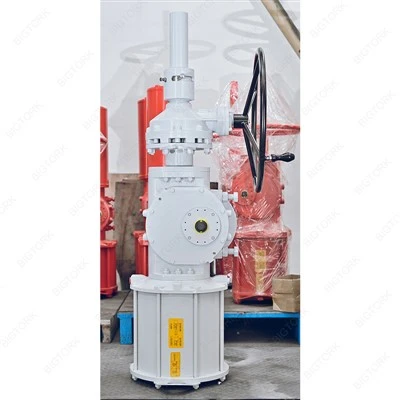
As a seasoned supplier in the field of pneumatic valve actuators, I understand the critical importance of proper lubrication for these essential components. Lubrication not only extends the lifespan of pneumatic valve actuators but also ensures their smooth and reliable operation. In this blog post, I will share comprehensive insights on how to lubricate a pneumatic valve actuator effectively.
Understanding the Role of Lubrication in Pneumatic Valve Actuators
Before delving into the lubrication process, it's crucial to understand why lubrication is so vital for pneumatic valve actuators. Pneumatic valve actuators are mechanical devices that use compressed air to open and close valves. They are commonly found in various industrial applications, including manufacturing, oil and gas, water treatment, and more.
The moving parts within a pneumatic valve actuator, such as pistons, cylinders, gears, and bearings, experience friction and wear during operation. Lubrication helps to reduce this friction, minimize wear and tear, and prevent the formation of rust and corrosion. Additionally, proper lubrication can enhance the actuator's response time, improve its efficiency, and reduce energy consumption.
Selecting the Right Lubricant
The first step in lubricating a pneumatic valve actuator is selecting the right lubricant. The choice of lubricant depends on several factors, including the type of actuator, the operating environment, and the manufacturer's recommendations. Here are some general guidelines to help you choose the appropriate lubricant:


- Compatibility: Ensure that the lubricant is compatible with the materials used in the actuator, such as seals, O-rings, and gaskets. Using an incompatible lubricant can cause damage to these components, leading to leaks and reduced performance.
- Viscosity: The viscosity of the lubricant refers to its resistance to flow. A lubricant with the right viscosity will provide adequate lubrication without causing excessive drag or leakage. The viscosity requirements may vary depending on the operating temperature and the speed of the actuator.
- Additives: Some lubricants contain additives that enhance their performance, such as anti-wear agents, corrosion inhibitors, and anti-oxidants. These additives can provide additional protection for the actuator's components and extend their lifespan.
As a pneumatic valve actuator supplier, we recommend using high-quality lubricants specifically designed for pneumatic applications. These lubricants are formulated to meet the unique demands of pneumatic systems and provide optimal performance and protection.
Preparing for Lubrication
Before lubricating the pneumatic valve actuator, it's important to take the necessary precautions to ensure safety and proper operation. Here are the steps to follow:
- Shut off the power: Before performing any maintenance or lubrication tasks, make sure to shut off the power supply to the actuator and the associated valve. This will prevent accidental activation and ensure your safety.
- Depressurize the system: Release the pressure in the pneumatic system by opening the exhaust valve or using a pressure relief device. This will prevent any sudden release of pressure during the lubrication process.
- Clean the actuator: Use a clean, dry cloth or a mild cleaning solution to remove any dirt, debris, or contaminants from the actuator's exterior. This will help to prevent these particles from entering the actuator during lubrication.
- Inspect the actuator: Before lubricating the actuator, inspect it for any signs of damage, wear, or leakage. If you notice any issues, such as cracked seals, worn-out gears, or leaking hoses, address them before proceeding with the lubrication process.
Lubricating the Pneumatic Valve Actuator
Once you have selected the right lubricant and prepared the actuator for lubrication, you can proceed with the lubrication process. The specific lubrication points and procedures may vary depending on the type and model of the actuator. Here are the general steps to follow:
- Locate the lubrication points: Refer to the manufacturer's instructions or the actuator's user manual to locate the lubrication points. These points are typically marked with grease fittings, oil ports, or other indicators.
- Apply the lubricant: Use a grease gun, oiler, or other appropriate lubrication tool to apply the lubricant to the designated lubrication points. Apply the lubricant slowly and evenly, ensuring that it reaches all the moving parts. Be careful not to over-lubricate, as this can cause excessive leakage and reduce the actuator's performance.
- Operate the actuator: After applying the lubricant, operate the actuator several times to distribute the lubricant evenly throughout the system. This will help to ensure that all the moving parts are properly lubricated and functioning smoothly.
Special Considerations for Different Types of Pneumatic Valve Actuators
Different types of pneumatic valve actuators may require different lubrication procedures and considerations. Here are some special considerations for common types of pneumatic valve actuators:
- Air Operated Actuator: Air operated actuators use compressed air to generate linear or rotary motion. These actuators typically have pistons, cylinders, and other moving parts that require regular lubrication. Make sure to lubricate the piston seals, cylinder walls, and other critical components to ensure smooth operation.
- Industrial Valve Actuators: Industrial valve actuators are used in a wide range of applications, including high-pressure and high-temperature environments. These actuators may require special lubricants that can withstand extreme conditions. Consult the manufacturer's recommendations to select the appropriate lubricant for your specific application.
- Pneumatic Butterfly Valve Actuator: Pneumatic butterfly valve actuators are commonly used to control the flow of fluids in pipelines. These actuators typically have a rotating disc or butterfly that requires lubrication to ensure smooth operation. Lubricate the shaft, bearings, and other moving parts to prevent friction and wear.
- Valve Actuator Air: Valve actuator air systems rely on compressed air to operate the actuator. These systems may require a lubricator to ensure that the air supply is properly lubricated. Install a lubricator in the air supply line and follow the manufacturer's instructions to adjust the lubrication rate.
- Air Piston Actuator: Air piston actuators use a piston to convert compressed air into linear motion. These actuators typically have a piston, cylinder, and other moving parts that require regular lubrication. Lubricate the piston seals, cylinder walls, and other critical components to ensure smooth operation.
Maintenance and Monitoring
Proper lubrication is just one part of a comprehensive maintenance program for pneumatic valve actuators. Regular maintenance and monitoring are essential to ensure the long-term reliability and performance of these components. Here are some maintenance and monitoring tips to keep in mind:
- Follow the manufacturer's recommendations: Refer to the manufacturer's instructions and maintenance schedule for your specific actuator. Follow the recommended lubrication intervals and procedures to ensure optimal performance and protection.
- Inspect the actuator regularly: Regularly inspect the actuator for any signs of damage, wear, or leakage. Check the lubrication levels and the condition of the lubricant. If you notice any issues, such as excessive wear, corrosion, or leakage, address them promptly.
- Monitor the performance: Monitor the performance of the actuator, including its response time, operating pressure, and torque output. If you notice any changes in the actuator's performance, it may indicate a lubrication problem or other issue.
- Keep records: Keep detailed records of all maintenance and lubrication activities, including the date, the type of lubricant used, and the amount of lubricant applied. This will help you track the maintenance history of the actuator and identify any potential problems.
Conclusion
Proper lubrication is essential for the smooth and reliable operation of pneumatic valve actuators. By selecting the right lubricant, following the correct lubrication procedures, and implementing a comprehensive maintenance program, you can extend the lifespan of your actuators, reduce downtime, and improve the efficiency of your industrial processes.
As a trusted pneumatic valve actuator supplier, we are committed to providing high-quality products and expert advice to our customers. If you have any questions or need assistance with lubricating your pneumatic valve actuators, please feel free to contact us. We would be happy to help you optimize the performance of your pneumatic systems.
References
- Manufacturer's instructions and user manuals for pneumatic valve actuators.
- Industry standards and best practices for lubrication of pneumatic systems.
- Technical literature and research articles on the performance and maintenance of pneumatic valve actuators.